The 2026 NBA trade deadline is a week-and-a-half away. The trade market has been slow to get started this season. We’ve seen only Trae Young traded from the Atlanta Hawks to the Washington Wizards for C.J. McCollum and Corey Kispert. There have been other reports of trade talks, but nothing else has gotten done as of this writing.
We’re now a week out from the deadline, so things should start picking up. Teams that insisted on multiple first-round picks for their players come down to a single first-round pick, while their partners in trades come up from offering a couple of second-rounders to offering that single first-rounder. As desperation increases, so does reasonability in trade talks.
We covered the Eastern Conference earlier this week. Here’s where each of the Western Conference teams sits ahead of the deadline. We’ll be looking at the following:
-
How much space the team has under the cap or luxury tax. And for the apron-impacted teams, we’ll call out how much room they have under the first or second apron.
-
What usable Traded Player Exceptions (TPEs) they have. This will also include any money left in the Non-Taxpayer, Room or Bi-Annual Exception that can be used as a TPE. Reminder: TPEs can’t be aggregated together or with outgoing salary!
-
What tradable draft picks teams have to offer. We’ll run through the first-round picks, while giving a count of tradable second-round picks.
-
If the team is expected to be a Buyer, Seller, Either or Neither at the deadline. Everyone has different goals and we’ll analyze where each team stands.
-
Which player is most likely to be traded. Some might be stars, some might be salary dumps, most will fall in between. We’ll pick someone from every team.
Cap/Tax/Apron Picture: $1.2 million under the second apron
Notable Traded Player Exceptions: $11 million (Maxi Kleber), $4.3 million (Quentin Grimes)
Draft Pick Situation: Dallas owns their own first-round pick in 2026, 2031 and 2032. However, because the Mavs owe a top-2 protected pick to the Hornets in 2027, the 2026 pick can’t be traded due to the Stepien Rule. Dallas also owes a pick in 2029, as well as least-favorable swap rights in 2028 and 2030. The Mavs do have an incoming Lakers pick in 2029.
The Mavericks have two tradable second-round picks.
Trade Deadline Strategy: Neither Buyers nor Sellers. It no longer feels very likely that Anthony Davis gets moved ahead of the trade deadline. Dallas has set high prices on players like Naji Marshall and Max Christie, so they’ll probably stick too. As far as buying, the Mavs seem motivated to make the most of this draft pick, since it’s the last one that they have control over for a while.
Most Likely to be Traded: Dante Exum. This would be a straight salary-dump to open a roster spot to convert Ryan Nembhard or Moussa Cisse to a standard contract.
Cap/Tax/Apron Picture: $402,059 over the luxury tax, $2.8 million under the first apron
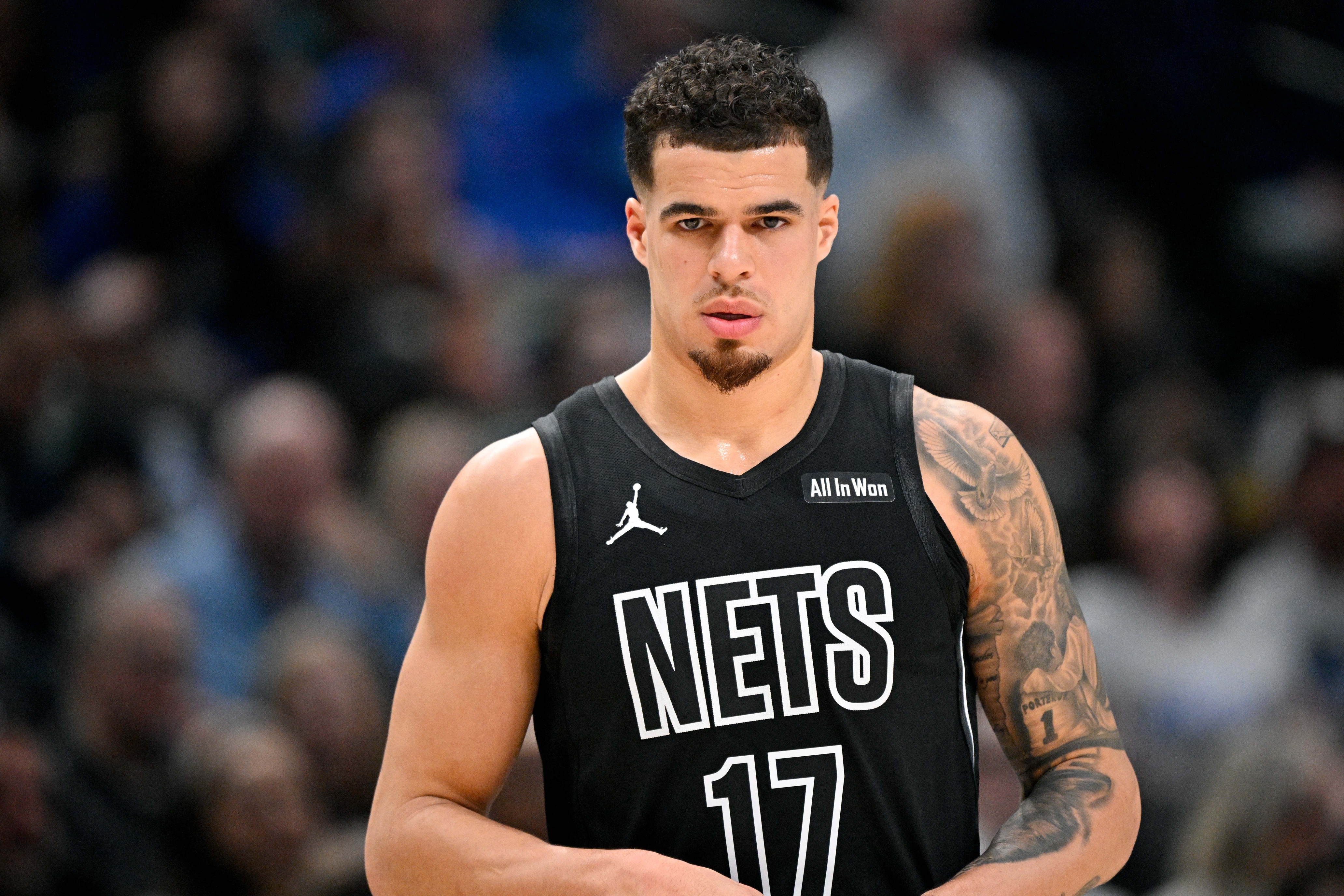
Notable Traded Player Exceptions: $14.1 million (Non-Taxpayer MLE), $6.8 million (Michael Porter Jr.), $5.4 million (Dario Saric), $5.1 million (Bi-Annual Exception)
Draft Pick Situation: The Nuggets have their own first-round pick in 2026 and 2031. They owe two separate top-5 picks to the Thunder in as early as 2027 and 2029. That means the Nuggets will likely have their own picks in 2028 and 2030. Denver also owes their 2032 pick to Brooklyn. All of the owed picks make it hard for Denver to include outgoing first-round picks in any trades.
The Nuggets have one tradable second-round pick.
Trade Deadline Strategy: Either Buyers or Sellers. Denver will look to add some talent if they can, but it won’t be any kind of blockbuster. The Nuggets would like to get another helpful rotation player while getting off some salary. At the very least, Denver will salary-dump a player to get under the luxury tax line by the deadline.
Most Likely to be Traded: Hunter Tyson. This may be the single most-likely player to be traded by the deadline. Tyson isn’t a rotation guy for Denver and trading him would get the Nuggets under the tax.
Cap/Tax/Apron Picture: $11.6 million over the first apron, $264,372 under the second apron
Notable Traded Player Exception: $8.8 million (Kyle Anderson)
Draft Pick Situation: The Warriors own their own first-rounders in every season but 2030. In 2030, Golden State has a top-20 protected first, with Washington getting that pick if it lands 21-30.
The Warriors can trade only the 31-50 portion of their 2032 second-round pick, as far as tradable seconds go.
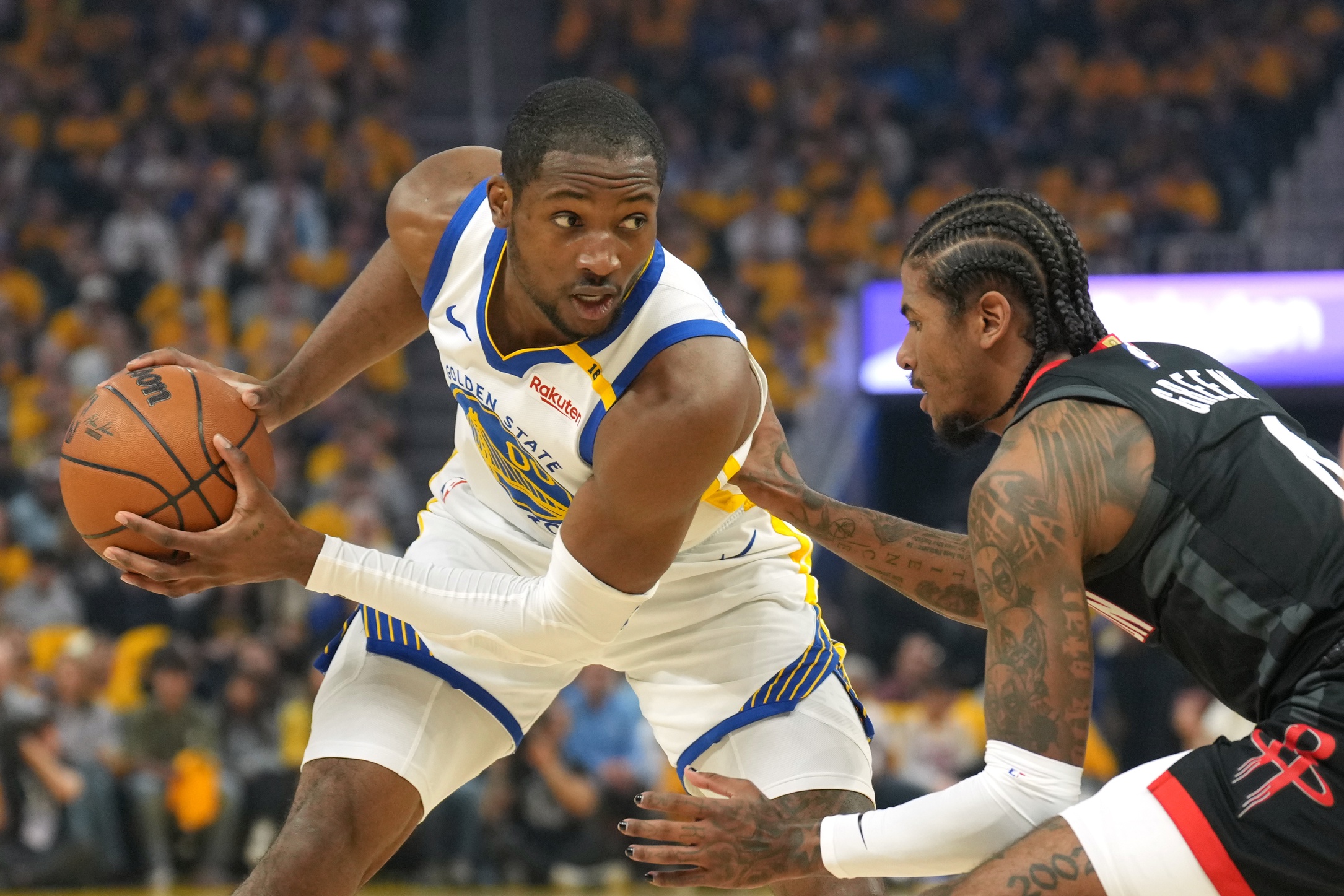
Trade Deadline Strategy: Buyers. The sense is that Golden State is committed to making the most of whatever years they have left with Stephen Curry. Jimmy Butler is out for the season, but the Warriors have Jonathan Kuminga’s pseudo-expiring contract to trade. Golden State also has draft capital that they could put into trades, as well as a few interesting younger players.
Most Likely to be Traded: Buddy Hield. Both the Warriors and Jonathan Kuminga would like if this was Kuminga. But the market has been there for Kuminga, and he’s now injured. That leaves Hield, who is on a tradable $9.2 million contract, with only $3 million guaranteed next season, as the guy who Golden State is most likely to move if they make a deal.
Cap/Tax/Apron Picture: $6.8million over the luxury tax, $1.2 million under the first apron
Notable Traded Player Exceptions: $12.5 million (Disabled Player Exception - Fred VanVleet), $3.5 million (Cam Whitmore)
Draft Pick Situation: Houston has their own first-round picks in 2028 and 2030-2032. They have most-favorable swap rights in 2027 (with Brooklyn) and the two most-favorable picks in 2029 (with Brooklyn, Dallas and Phoenix). The Rockets owe a top-4 protected pick to the Thunder in 2026.
Houston has at least four tradable second-round picks.
Trade Deadline Strategy: Buyers. The Rockets will look to add some rotation help, especially in light of losing Steven Adams for the season. Don’t expect a blockbuster though. It would more likely be a move or two to firm things up for the playoff rotation.
Most Likely to be Traded: Jeff Green. Houston may do at least a salary-dump to create more wiggle room under their first-apron hard cap. That would allow for a buyout addition, while also leaving room to convert a player from a two-way contract, likely J.D. Davison.
Cap/Tax/Apron Picture: $6.9 million over the luxury tax, $1.1 million under the first apron
Notable Traded Player Exceptions: $6.5 million (P.J. Tucker), $4.1 million (Bones Hyland), $2.7 million (Disabled Player Exception - Bradley Beal)
Draft Pick Situation: The Clippers have their own first-round picks from 2030-2032. They have a least-favorable pick in 2027 and a top-3 protected swap in 2029. LA owes their 2026 and 2028 first-round outright.
The Clippers have at least two tradable second-round picks.
Trade Deadline Strategy: Buyers. In the midst of an incredible in-season turnaround, the Clippers will look to add to their roster if they can. One caveat: LA isn’t looking to take on money that extends past next season, at the most. That will self-limit their market to some extent.
Most Likely to be Traded: Chris Paul. If his contract isn’t included in a bigger deal, Paul will likely be salary-dumped to free up a bit more spending power under the Clippers first-apron hard cap. LA wants to convert both Jordan Miller and Kobe Sanders to standard contracts, as well as leaving room for a potential buyout addition.
Cap/Tax/Apron Picture: $7.1 million over the luxury tax, $977,225 under the first apron
Notable Traded Player Exceptions: None
Draft Pick Situation: The Lakers have their own first-round picks in 2026, 2028, and 2030-2032. However, because of picks they have outgoing, Los Angeles can’t trade their 2026, 2028 or 2030 first-round picks due to the Stepien Rule. The outgoing picks are a top-4 protected first to Utah in 2027 and 2029 first to Dallas.
The Lakers have one tradable second-round pick.
Trade Deadline Strategy: Buyers. Much like the crosstown rival Clippers, the Lakers are looking to add to their roster. But they also don’t want to take on money. For the Lakers, they’re being even more conversative, as they don’t want to take on salary that extends past this season, unless that player is a long-term fit on the roster.
Most Likely to be Traded: Maxi Kleber or Gabe Vincent. There’s a good chance that Los Angeles will do something with either Kleber or Vincent, because both are on expiring deals that are very tradable. It’s possible both could be on the move before the deadline.
Cap/Tax/Apron Picture: $15.8 million under the tax
Notable Traded Player Exceptions: None
Draft Pick Situation: The Grizzlies have all of their own first-round picks. That includes most-favorable swaps in 2026, 2029 and 2030. Memphis also has additional first-round picks coming in 2026 and 2030.
The Grizzlies have at least four tradable second-round picks.
Trade Deadline Strategy: Neither Buyers nor Sellers. Maybe the Grizzlies move Ja Morant, but that seems to have cooled way off. Keeping Morant means that Memphis will probably keep most of the rest of the roster too. Maybe they make a smaller move, but they have no tax concerns to worry about this season, and the Grizzlies are too far away to go for a big addition.
Most Likely to be Traded: Ja Morant. We’re going with Morant, only because he’s been involved in trade rumors for a while now. But the real answer here is no one. Memphis has a lot of guys on rookie deals, or team-friendly contracts. With no real reason to make a big move, the Grizzlies will probably sit out the deadline.
Cap/Tax/Apron Picture: $14.7 million over the tax, $8.3 million over the first apron, $3.6 million under the second apron
Notable Traded Player Exception: $7.6 million (Nickeil Alexander-Walker)
Draft Pick Situation: The Timberwolves have their own first-round pick in 2028 and 2032, but that 2032 pick is frozen and can’t be trade. Minnesota has a least-favorable pick in 2026. They have a top-5 protected pick in 2029 and top-1 protected swap in 2030. The Wolves owe their 2027 and 2031 picks outright to other teams.
Minnesota has at least six tradable second-round picks.
Trade Deadline Strategy: Buyers. The Wolves are looking for rotation help. They’d love to land some backcourt depth and have been linked to a lot of available guards in various trade rumors. They don’t have a lot of room under the second apron, and won’t go back over it. That means a blockbuster move probably isn’t in the cards for Minnesota, even if they’ll take a look at any star that become available.
Most Likely to be Traded: Rob Dillingham. This would be selling very early on Dillingham, but if the Wolves are bringing in help, his $6.6 million salary would be a nice matching piece in a trade. Recent reports are that veteran Mike Conley is going to stick around, so that leaves Dillingham as the only real choice here.
Cap/Tax/Apron Picture: $1.9 million under the tax
Notable Traded Player Exceptions: $13.4 million (Kelly Olynyk), $13 million (Brandon Ingram), $6.1 million (remaining Non-Taxpayer MLE), $5.1 million (Bi-Annual Exception)
Draft Pick Situation: New Orleans owns all their own first-round picks from 2028-2032. They have a more-favorable first in 2027, and possible a second first-rounder that year. The Pelicans owe their 2026 first-round pick to the Hawks or Bucks (Atlanta gets the best, Milwaukee gets the worst).
New Orleans has three tradable second-round picks.
Trade Deadline Strategy: Neither Buyers nor Sellers. New Orleans isn’t ready to buy. They’ve sent word that they aren’t selling their most-valuable players either. That leads towards a team that may more or less sit out the deadline.
Most Likely to be Traded: Jose Alvarado. A handful of contenders who need backcourt help have expressed interest in Alvarado, who has a very tradable $4.5 million contract.
Cap/Tax/Apron Picture: $1 million under the tax
Notable Traded Player Exceptions: $14.1 million (Non-Taxpayer MLE), $5.1 million (Bi-Annual Exception), $2.3 million (Disabled Player Exception - Thomas Sorber)
Draft Pick Situation: The Thunder have all of their own first-round picks. They have the two most-favorable picks of their own, the Rockets and the Clippers in 2026. They have protected picks from the Sixers and Jazz in 2026, as well, but only the Philadelphia pick is likely to convey. The Thunder also have future first-round picks incoming from Nuggets (two picks), the Spurs (top-16 protected), and two sets of most-favorable swap rights in 2027 and 2028.
Oklahoma City has at least 15 tradable second-round picks, and up to 20, pending if first-round picks convey.
Trade Deadline Strategy: Neither Buyers or Sellers. The Thunder could buy if they wanted. They could use another big. They could use more ballhandling/shot creation. But those needs aren’t really so glaring that Oklahoma City is likely to make an in-season move.
Most Likely to be Traded: Ousmane Dieng. The Thunder don’t desperately need a roster spot. But if they want to open one, they could salary-dump Dieng using a couple of second-round picks from their stash. That would leave room for a buyout addition, while staying under the tax, or would create a roster spot for a two-way conversion.
Cap/Tax/Apron Picture: $255,632 over the luxury tax
Notable Traded Player Exceptions: $14.1 million (Non-Taxpayer MLE), $5.1 million (Bi-Annual Exception), $3.6 million (Vasilije Micic)
Draft Pick Situation: The only unconditional first-round pick the Suns have is their own in 2032…sort of. That pick is frozen and can’t be traded! Phoenix has a least-favorable pick in 2027, 2028 and 2030. The Suns owe first-round picks in 2026, 2029 and 2031.
Phoenix has three tradable second-round picks.
Trade Deadline Strategy: Buyers. The Suns have played better than most expected. That’s got them in position to add to their team for a playoff run. Don’t expect anything huge though. Phoenix worked hard to get out from under second-apron rubble. But a smaller move or two to add rotation help seems reasonable.
Most Likely to be Traded: Nick Richards. Richards rarely plays, and he overlaps with Khaman Maluach as the third center. Moving him in a deal could also create some wiggle room under the luxury tax, which would allow for a buyout addition or converting a two-way player, likely Jamaree Bouyea.
Cap/Tax/Apron Picture: $1.5 million under the luxury tax
Notable Traded Player Exceptions: $5.1 million (Bi-Annual Exception)
Draft Pick Situation: Portland owes a lottery-protected pick to Chicago sometime between 2026-2028. From 2029-2032, the Blazers own all of their own first-round picks, or have most-favorable swap rights. They also have additional incoming first-round picks in 2028 and 2029.
The Trail Blazers have at least seven tradable second-round picks.
Trade Deadline Strategy: Either Buyers or Sellers. Portland is in a bit of a weird spot. They’re pushing for a spot in the Play-In Tournament, but they have a lot of veterans that could fetch them assets. This might be one where the Trail Blazers make moves that rebalance the roster, but don’t amount to really buying or selling.
Most Likely to be Traded: Duop Reath. The Blazers could move someone like Matisse Thybulle or Robert Williams III in a bigger deal, but it’s unclear what will happen there. Salary-dumping Reath would open a roster spot to allow Portland to convert Sidy Cissoko or Caleb Love from their two-way contract. Look for both to eventually land standard deals with the Trail Blazers before the year is out.
Cap/Tax/Apron Picture: $1 million under the luxury tax
Notable Traded Player Exceptions: $14.1 million (Non-Taxpayer MLE), $5.1 million (Bi-Annual Exception), $4.9 million (Jonas Valanciunas), $2.7 million (Kevin Huerter)
Draft Pick Situation: The Kings own all of their own first-round picks. They have additional picks inbound from the Spurs in 2027 (top-16 protected) and the Timberwolves in 2031.
Sacramento has at least three tradable second-round picks.
Trade Deadline Strategy: Sellers. All of the signs point towards Sacramento moving their veterans to start a rebuild. Zach LaVine, Domantas Sabonis, DeMar DeRozan, Keon Ellis and Malik Monk are just some of the guys who could be on the move before the deadline.
Most Likely to be Traded: Keon Ellis. Until recently, Ellis had fallen out of the Kings rotation. He’s on what amounts to a veteran minimum contract, which means just about everyone in the NBA can trade for him. If Sacramento doesn’t demand a haul for Ellis, he’ll move by the deadline.
Cap/Tax/Apron Picture: $5.6 million under the luxury tax
Notable Traded Player Exceptions: $5.1 million (Bi-Annual Exception), $3.1 million (remaining Non-Taxpayer MLE)
Draft Pick Situation: San Antonio has all of their own first-round picks, outside of their 2027 pick being top-16 protected. The Spurs also have most-favorable swap rights in 2026, 2028, 2030 and 2031 with several different teams.
The Spurs have at least 15 tradable second-round picks.
Trade Deadline Strategy: Neither Buyers nor Sellers. You can make an argument that San Antonio should be buying. They are really good, but could use some help to make a deeper playoff push. But the Spurs seem set on being patient for now and giving this group at least one playoff run before making moves. They aren’t likely to sell anyone off either.
Most Likely to be Traded: Jordan McLaughlin. The answer here is really no one. But if someone was going to go, trading McLaughlin would be the move. San Antonio has a lot of guard depth and could open a roster spot by moving McLaughlin.
Cap/Tax/Apron Picture: $43.8 million under the tax
Notable Traded Player Exceptions: $18.4 million (John Collins), $4.8 million (remaining Non-Taxpayer MLE), $3.5 million (P.J. Tucker)
Draft Pick Situation: The Jazz own all of their own first-round picks, barring their top-8 protected pick possibly going to OKC. They have most-favorable swap rights on first-round picks from 2026-2029. They also have additional first-round picks coming in 2027 and 2031, with two more additional first-rounders coming in 2027 and 2029.
Utah has at least seven tradable second-round picks.
Trade Deadline Strategy: Sellers. The Jazz will sell, if the right deals are there. Jusuf Nurkic is available for teams needing center help. Kevin Love. Georges Niang and Kyle Anderson could also help teams looking for frontcourt depth. And Utah will also sell in terms of taking on money in trades to acquire draft capital, since they are miles from the luxury tax line.
Most Likely to be Traded: Jusuf Nurkic. The contract is kind of big for Nurkic at $19.4 million, but he can really help a team that needs a starting-level center. He’s still really good on offense and can rebound. Given how many teams seem to be looking for a quality starting big man, Nurkic seems likely to be moved by the deadline.


.png)


 NEWS
NEWS © USA Today Sports
 spotrac
 © USA Today Sports
 © USA Today Sports
 © USA Today Sports


 © USA Today Sports
 © USA Today Sports
 © USA Today Sports