Dan SoemannFebruary 17, 2026
© USA Today Sports

The qualifying offer is a competitive balance measure that links free agency with draft-pick compensation and penalties.

Teams that want to obtain a compensatory Draft pick for the loss of an impending free agent can offer a one-year contract worth the average salary of the 125 highest-paid players in MLB, which is recalculated annually. Players can choose to accept and sign for the predetermined value or decline and become a qualified free agent.

Qualified free agents who sign elsewhere are attached to compensation and penalties that are determined based on CBT payor and revenue-sharing status:

2026 Team Classifications
CBT payors:  BOS, HOU, LAD, NYM, NYY, PHI, SDP, TEX, TOR
Revenue-sharing recipients:  ARI, ATH, BAL, CIN, CLE, COL, DET, KCR, MIA, MIL, MIN, PIT, SEA, STL, TBR
Others:  ATL, CHC, CHW, LAA, SFG, WSH

Compensation For Losing Qualified Free Agent
CBT payors:  pick after 4th round
Revenue-sharing recipients:  Comp B round if contract is under $50M; between 1st round and Comp A if $50M+
Others:  pick after Comp B round

Penalties For Signing Qualified Free Agent
CBT payors:  2nd, 5th + $1M international; 3rd, 6th for multiple
Revenue-sharing recipients:  3rd; 4th for multiple
Others:  2nd + $500k international; 3rd for multiple

(13) players received a $22.025 million qualifying offer:

(4) accepted:
Trent Grisham (OF, Yankees)
Shota Imanaga (SP, Cubs)
Gleyber Torres (2B, Tigers)
Brandon Woodruff (SP, Brewers)

(9) rejected and became qualified free agents:

(3) re-signed with the same team:
Kyle Schwarber (DH, Phillies) - 5 years, $150 million
Michael King (SP, Padres) - 3 years, $75 million; 2027 player opt-out
Zac Gallen (SP, Diamondbacks) - 1 year, $22.025 million; deferrals

(6) signed with a new team:
Kyle Tucker (OF, Dodgers) - 4 years, $240 million; 2028 player opt-out + deferrals
Dylan Cease (SP, Blue Jays) - 7 years, $210 million; deferrals
Ranger Suarez (SP, Red Sox) - 5 years, $130 million; 2031 mutual option
Bo Bichette (3B, Mets) - 3 years, $126 million; 2027 player opt-out
Framber Valdez (SP, Tigers) - 3 years, $115 million; 2028 player option
Edwin Diaz (RP, Dodgers) - 3 years, $69 million; 2029 conditional club option

Penalties and Compensation:

Dylan Cease to Blue Jays from Padres
TOR (CBT payor) forfeited 2nd, 5th highest pick + $1M international
SDP (CBT payor) received pick after 4th round

Edwin Diaz to Dodgers from Mets
LAD (CBT payor) forfeited 2nd, 5th highest picks + $1M international
NYM (CBT payor) received pick after 4th round; forfeited as 5th highest selection (Bo Bichette)

Ranger Suarez to Red Sox from Phillies
BOS (CBT payor) forfeited 2nd, 5th highest pick + $1M international
PHI (CBT payor) received pick after 4th round

Kyle Tucker to Dodgers from Cubs

LAD (CBT payor) forfeited 3rd, 6th highest pick for signing multiple qualified free agents
CHC (other) received pick after Comp B round

Bo Bichette to Mets from Blue Jays
NYM (CBT payor) forfeited 2nd, 5th highest picks + $1M international
TOR (CBT payor) received pick after 4th round; forfeited as 5th highest selection (Dylan Cease)

Framber Valdez to Tigers from Astros
DET (revenue-sharing recipient) forfeited 3rd highest pick; Comp B or 3rd round if former is traded
HOU (CBT payor) received pick after 4th round

Taylor VincentFebruary 13, 2026

All 16 NWSL teams have kicked off their 2026 preseasons, and the 2026 free agents have been able to negotiate and sign with clubs well over 7 months ago. Since the free agency period opened up, 78 players have signed with teams within the league, 12 players have retired, 26 players have signed with clubs outside of the NWSL, 18 players have had no announcements, and 2 are unsigned but Non-Roster Invitees for preseason. 

Overall Trends

Compared to the December Free Agency Update, all 16 teams now have signed free agents—up from 13. Four clubs—Kansas City, Gotham, Portland, and Washington—have only re-signed free agents whereas the other 12 clubs have been active in signing new free agents to their clubs. 

As we head further into the free agency period and closer to the season start, there has been a significant increase in the rate of one-year free agency signings compared to other contract lengths. Last check-in, there were more 3-year long contracts than any other length.

In the last two months there has also been a big swing in the positions of the free agents signing contracts with the most coming from the forward position. Almost all of the goalkeepers entering free agency have signed with a new club inside of the NWSL, compared to the sub-60% rates that forwards and midfielders are currently showing. 

Keep up with all the free agency movement here

Previous Seasons

Although early free agency periods had different rules around eligibility and unrestricted v restricted, it is interesting to look at overall trends of movement across the iterations of free agency. Year one in 2023 showed a majority of players staying with their originating club followed by a year two that saw similar numbers stay with the same clubs as did go to a new club.  

The new CBA in late 2024 led to an increase in the number of free agents (no more restricted free agents or teams retaining player rights) and with that, the pendulum swung back towards players staying with their current squads and it had an increase in players leaving the NWSL completely. 

The current free agency period has had a swing back in the 2024 direction, with a decrease in the number of players signing with their originating club and an increase in players signing for new clubs. Interestingly enough, this 2026 free agency period also has shown a decrease in the number of ‘Not Signed’ free agents. 

Something that may come into play in the 2027 free agency period will be the future of the high-impact player designation and how that is/is not utilized for top players while the global market continues to make the NWSL’s current salary cap a limiter in talent acquisition. 

Keith SmithFebruary 12, 2026
© USA Today Sports

The 2026 NBA trade deadline is in our rearview mirror. 27 of the league’s 30 teams made moves. After everything went official, there were 28 total trades that involved 73 players during deadline week. If you go back to the Trae Young trade last month, there were 29 trades made involving 76 players, and over 40 draft picks changing hands.

Feels like a lot to keep track of, right? Never fear, we’ve got you covered! Instead of recapping each individual deal, because the flurry of action became too much for that, we’re doing a bit of a reset for the entire league. We started with the Eastern Conference, and now it’s time for the Western Conference. Here’s what we’ll look at:

What They Did: What moves did they make during trade season?

Why They Did It: Why did the teams make the moves they made?

Work Left To Do: What’s left to do with the roster, either with further additions via buyout season, two-way conversions, returns from injury or rotation decisions.

Let’s dive in!

Dallas Mavericks

What They Did

Dallas made one of the blockbuster trades of the deadline when they sent Anthony Davis, Jaden Hardy, D’Angelo Russell and Dante Exum to the Washington Wizards for Khris Middleton, Marvin Bagley III, A.J. Johnson, two first-round picks and three second-round picks. The three-team deal also included the Mavericks acquiring Tyus Jones from Charlotte Hornets.

Why They Did It

There are three parts to the Mavs big trade. First, they considerably cleaned up their cap sheet moving forward. Out goes the $58.5 million owed to Davis, as well as any future money via a desired extension from Davis’ side. Dallas won’t have cap space this offseason, but can use the full Non-Taxpayer MLE to add talent around Cooper Flagg and a returned-from-injury Kyrie Irving.

Second, by trading Davis, the Mavs are now fully divorced from the Luka Doncic trade. Every day Davis spent on the roster, and that could have been a while if Dallas had extended him, was a reminder that the team traded Doncic. Is this consolation for trading one of the NBA’s best players? No. But it’s now in the past and Dallas can move forward around Flagg.

Lastly, we get to the on-court impact. Jones will give the team the pure, veteran point guard that they haven’t had this season. That should make the end of the season easier for Flagg and everyone else. Bagley is a nice reserve to have for a frontcourt that has been plagued by injuries all season. Johnson is a nice flyer. He might look like a throw-in, but there’s some talent there that the Mavs might be able to pull out of Johnson.

Work Left To Do

The roster is pretty complete. The Mavs looked like they’d position themselves to free up roster spots for two-way players Moussa Cisse and Ryan Nembhard. The path to those spots isn’t overly clear post-deadline. We’ll see if that’s still a concern after the All-Star break. Buying out Khris Middleton is probably on the table, but retaining Bird rights might be more important for both Middleton and the Mavericks. There’s a good chance that this is the Dallas roster for the rest of this season.

Lasty, we’ll see if Kyrie Irving returns or not. He’s almost a year out from tearing his ACL. There’s no playoff run to return for, but Irving might want to get a handful of games in to shake off the rust and hit the ground running this offseason.

Denver Nuggets

What They Did

The only move the Nuggets made was to salary-dump Hunter Tyson to the Brooklyn Nets with a second-round pick. The good news? Denver was able to get back a second for themselves in this deal.

Why They Did It

With a very expensive roster looming for 2026-27 (and even more so if the team re-signs Peyton Watson), Denver wasn’t going to pay the tax this season. They got under the tax line, while freeing up an additional roster spot. And the Nuggets came out even on second-round picks. That’s pretty good work.

Work Left To Do

Denver has two open roster spots. One of those will go to two-way player Spencer Jones, who has started regularly in the Nuggets injury-hit forward rotation. The other spot will get filled with a buyout addition. Keep an eye on another ballhandler, just so Denver isn’t caught shorthanded if another injury hits.

Golden State Warriors

What They Did

The Warriors made two trades at the deadline. The first was a big one, as they finally moved Jonathan Kuminga, by sending him with Buddy Hield to the Atlanta Hawks for Kristaps Porzingis. In their second trade, Golden State sent Trayce Jackson-Davis to the Toronto Raptors for a second-round pick.

Why They Did It

Golden State finally moved Kuminga, and they got off Hield’s salary for this year and next. Neither player was in the Warriors rotation, so there is nothing lost there. How much was gained? That remains to be seen. If they can get Porzingis on the floor, and keep him healthy, he’ll be a huge addition to the team, both literally and figuratively. Scoring, spacing and rim protection are all still there for Porzingis. He’s just rarely played this season due to a lingering illness condition and various injuries. Moving Jackson-Davis came from the team having enough frontcourt depth and wanting to free up a roster spot.

Work Left To Do

The Warriors already converted Pat Spencer to a standard contract. They still have another open roster spot with enough room under their second-apron hard cap to fill it. That could go to a veteran who gets bought out, or a potential callup from the G League. Golden State has done both over the last few years. They will fill that final spot before the end of the regular season.

Houston Rockets

What They Did

Nothing. The Rockets sat out the deadline and didn’t make any moves.

Why They Did It

Houston has one open roster spot and enough room under their first-apron hard cap to fill it. That’ll come before the end of the regular season, and possibly sooner, if they want to convert J.D. Davison from his two-way deal.

Work Left To Do

Keep an eye on a Davison conversion, as he’s been pretty solid for the Rockets and Ime Udoka seems to trust his defense and decision-making. There’s been a lot of buzz that Fred VanVleet could make a really early return from a torn ACL suffered in the leadup to the season. Don’t expect that, but keep an eye on practice and injury reports for VanVleet updates, in case a miracle happens.

LA Clippers

What They Did

The Clippers swung a pair of big trades. They sent James Harden to the Cleveland Cavaliers for Darius Garland and a second-round pick. Then, in the final hour before the deadline, LA traded Ivica Zubac and Kobe Brown to the Indiana Pacers for Bennedict Mathurin, Isaiah Jackson, two first-round picks and a second-round pick. The Clippers also made a smaller move when they finally moved Chris Paul, by sending him to the Toronto Raptors in a three-team deal where they got Vanja Marinkovic’s draft rights.

Why They Did It

LA didn’t punt on the season, but they certainly didn’t make moves for the moment either. Acquiring Darius Garland was about the idea of getting him healthy and having a long-term fit at point guard. Trading Zubac was about getting two first-round picks, either a good one in this draft, or two potentially juicy picks down the line. Mathurin could prove to be a long-term fit. Jackson is a nice backup big man to have in the rotation. 

Work Left To Do

The Clippers signed Kobe Sanders from his two-way deal to a standard contract. That’s smart work, as Sanders has been a good rotation wing and will be on a value deal next season. Eventually, expect LA to make a similar move with Jordan Miller, who has also proven to be a rotation-level wing over the course of the last couple of seasons.

Los Angeles Lakers

What They Did

Los Angeles sent Gabe Vincent and a second-round pick to the Atlanta Hawks for Luke Kennard. After the deadline, the Lakers filled their open roster spot by signing Kobe Bufkin to a two-year contract.

Why They Did It

The Lakers needed shooting and defense at the trade deadline. They got the shooting by trading for Kennard. The defense will have to be an offseason project for Rob Pelinka. Bufkin replaces Vincent as a backup ballhandler. He’s been really good in the G League, and was a former lottery pick, so maybe Bufkin will prove to be a late-bloomer.

Work Left To Do

This is about it for the Lakers. They have no open roster spots and a little room under their first-apron hard cap. They’ve got players they could waive if a need popped up, or if a veteran was unexpectedly available.

Memphis Grizzlies

What They Did

Memphis made one of the shocking blockbuster deals of the deadline when they traded Jaren Jackson Jr. to the Utah Jazz, along with John Konchar, Vince Williams Jr. and Jock Landale. The Grizzlies got back Walter Clayton Jr., Taylor Hendricks, Kyle Anderson and three first-round picks. Memphis also got Georges Niang in the deal, but waived him. In a later deadline deal, the Grizzlies ate Eric Gordon’s contract for the right to swap second-round picks with the Philadelphia 76ers. Gordon was also waived.

Why They Did It

The Grizzlies are rebuilding. They started out by resetting when they traded Desmond Bane, but things didn’t go as hoped for. Now, they are full on rebuilding. Clayton and Hendricks add to a stash of young talent that includes Cedric Coward, Zach Edey, Jaylen Wells, Scotty Pippen Jr., Cam Spencer and GG Jackson. Three first-round picks are nice to add to the haul from the Bane trade too.

Work Left To Do

Memphis didn’t trade Ja Morant. The sides will work together on finding him a new home in the offseason. In the more immediate, the Grizzlies have very little size on their roster. They signed Lawson Lovering to a 10 Day deal, but expect them to try out a few more big men before all is said and done.

Minnesota Timberwolves

What They Did

The Wolves got started by moving Mike Conley’s contract to the Chicago Bulls, which got the team under the first apron. Then, Minnesota added Ayo Dosunmu and Julian Phillips in exchange for Rob Dillingham, Leonard Miller and four second-round picks, in another deal with the Bulls.

Why They Did It

The Timberwolves never really replaced Nickeil Alexander-Walker after he left this past summer. Jaylen Clark hasn’t looked ready. Terrence Shannon Jr. has been hurt and Dillingham wasn’t able to keep a rotation role. Dosunmu gives the team another playable guard, who can also defend most small forwards too.

Work Left To Do

Minnesota has two open roster spots, one of which will go to…Mike Conley! Because Conley was moved to the Charlotte Hornets in a subsequent trade before he was waived, Conley is eligible to re-sign with the Wolves. The second spot could eventually go to Johnny Juzang, who has just about exhausted his two-way eligibility. The Timberwolves could also hold that spot for a potential buyout addition, as the team can fit in Conley and buyout player while staying under the first apron.

New Orleans Pelicans

What They Did

The Pelicans were pretty quiet until just before the deadline, when they sent Jose Alvarado to the New York Knicks for Dalen Terry and two second-round picks. New Orleans later waived Terry.

Why They Did It

As much as New Orleans loves Alvarado, the team is playing big in their starting group with Herb Jones and Trey Murphy starting at the guard spots. Rookie Jeremiah Fears is getting most of the backup minutes. And, presumably, veteran point guard Dejounte Murray will return at some point before the end of the season. That left little room for Alvarado and getting two second-round picks is good value for a backup point guard.

Work Left To Do

The Pelicans have an open roster spot now. They’ll likely fill that by signing two-way player Bryce McGowens to a standard deal. McGowens has carved out a rotation spot under two different Pels coaches this year.

Oklahoma City Thunder

What They Did

Oklahoma City was involved in a series of moves at the deadline. They sent Ousmane Dieng and a second-round pick to the Charlotte Hornets for Mason Plumlee, who was immediately waived. The Thunder then traded cash to the Utah Jazz for the draft rights to Balsa Koprivica. To round out their roster, OKC traded a first-round pick and three second-picks to the Philadelphia 76ers for guard Jared McCain.

Why They Did It

The Thunder made the Dieng for Plumlee swap to clear a bit of extra room under the luxury tax. That was mostly eaten up by acquiring McCain, who is a terrific value add for some extraneous draft picks (for the Thunder, who still have plenty of picks in the vault). McCain has great potential and could play an immediate role for an injury-hit backcourt. The Koprivica move was a smart asset play too. Oklahoma City could very well end up a second-apron team in the future. That means they won’t be able to simply send out cash to satisfy the touch rules in a trade. The other players they have draft rights for are all long-since retired. Koprivica gives the Thunder that “something” to put into a trade to make the rules work.

Work Left To Do

The Thunder roster should be complete. This team is deep, versatile and ready for another title run.

Phoenix Suns

What They Did

The Suns sent Nick Richards to the Chicago Bulls and Nigel Hayes-Davis and cash to the Milwaukee Bucks in exchange for Cole Anthony and Amir Coffey.

Why They Did It

Trading Richards, along with Hayes-Davis, for two minimum-salary players got Phoenix under the luxury tax. Given how big their tax bills have recently, that’s huge. And it starts the Suns on the path towards resetting the tax repeater clock down the line. Coffey may play a role, as he’s been a rotation wing in the past for the LA Clippers. Anthony is expected to eventually be waived.

Work Left To Do

Phoenix has one open roster spot, which is expected to go to Jamaree Bouyea, who has impressed while on a two-way contract. If Anthony is waived, as is expected, the second open roster spot could go to Isaiah Livers, who has also impressed while on a two-way contract.

Portland Trail Blazers

What They Did

The Blazers made one small, but good, trade before the deadline. Portland picked up Vit Krejci for Duop Reath and two second-round picks.

Why They Did It

Krejci is an upgrade for a Trail Blazers roster that desperately needed shooting. Portland takes a lot of threes, but doesn’t make very many. Krejci should help with that, and he’s on a very team-friendly contract moving forward.

Work Left To Do

The Blazers were expected to create a couple of roster spots to sign two-way players Sidy Cissoko and Caleb Love. However, that didn’t happen. Keep an eye out for waiver or two from Portland, as they would like Cissoko and Love to finish the year on standard contracts, given both are just about out of NBA eligibility on their two-way deals.

Sacramento Kings

What They Did

The Kings picked up De’Andre Hunter while sending Dennis Schroder and Keon Ellis to the Cleveland Cavaliers and Dario Saric and a second-round pick to the Chicago Bulls. Sacramento soon after signed two-way big man Dylan Cardwell to a four-year standard contract.

Why They Did It

Sacramento didn’t move any of their big-salary players, and took on money by trading for Hunter. Hunter should be a decent fit, if he can re-discover his shot. He’s already one of the better defenders on the roster. Converting Cardwell was a must, as he’s been one of the bright spots in a miserable season for the Kings.

Work Left To Do

Sacramento has one open roster spot. They’d be best off to cycle through some players on 10 Day contracts to see if they can find a diamond in the rough. The rest of the season needs to be spent planning for how this team is going to get themselves further away from being a second-apron team, which is looming dangerously next season.

San Antonio Spurs

What They Did

San Antonio went back to their former years-long strategy of sitting out the trade deadline. The Spurs waived forward Jeremy Sochan as a post-deadline move.

Why They Did It

Sochan hasn’t been in the Spurs rotation for a while now, and he wasn’t part of the team’s future either. Moving on makes sense. 

Work Left To Do

San Antonio can use their newly-created roster spot for a buyout addition, or to convert one of their two-way players.

Utah Jazz

What They Did

The Jazz pulled off a stunning, future-focused deal by adding Jaren Jackson Jr., John Konchar and Vince Williams Jr. for Walter Clayton Jr., Taylor Hendricks, Kyle Anderson, Georges Niang and three first-round picks. Utah also ate Lonzo Ball’s contracts for two second-round picks. The team also took on Chris Boucher’s deal for a second-round pick. In addition, the Jazz traded Jock Landale and the drafts rights for Balsa Koprivica for cash to the Atlanta Hawks and Oklahoma City Thunder, respectively.

Why They Did It

Utah has made it clear for months that this was their final rebuilding year. With draft pick obligations clear after this season, the Jazz are going to pivot towards a playoff push in 2026-27. Adding Jackson will aid in that. Williams is a sneaky good pickup too. Eating contracts in exchange for assets was good use of the team’s room under the luxury tax.

Work Left To Do

The Jazz could buy out veteran big men Jusuf Nurkic and Kevin Love, but that doesn’t seem to be overly likely. Both bigs have played well for Utah and are valued for their presence on the court (when they play) and in the locker room. Expect the team to cycle through some 10 Day deals with their open roster spot, as they look to see if someone pops who can stick on the roster long-term.

Michael GinnittiFebruary 11, 2026
© USA Today Sports

NFL teams have until May 1st to decide on the 5th-Year option salary for players drafted in the 1st Round of of the 2023 draft. Any option that is exercised immediately becomes fully guaranteed for cap, skill, or injury. The following is a breakdown of how those salaries are calculated, plus estimated salaries for each player.

  • TIER 1: A player is selected to two or more Pro Bowls. The 5th-Year Option price is the same as the franchise tag salary at their position from the 2026 season.
  • TIER 2: A player is selected to one Pro Bowl. The 5th-Year Option price is the same amount as the transition tag salary from the 2026 season.
  • TIER 3: A player takes 75% of the team’s offensive or defensive snaps in 2 of their first 3 seasons, OR 50% of the snaps played in each of the 3 seasons, OR a 75% average over all three seasons. The 5th-Year Option price is the 5-year average of the 3rd-20th highest paid players at their position.
  • TIER 4: A player does not meet any of the above criteria. The 5th-Year Option price is the 5-year average of the 3rd-25th highest paid players at their position.
PICK PLAYER TEAM POS TIER OPTION SALARY
1 Bryce Young CAR QB 3 $25,904,000
2 C.J. Stroud HOU QB 3 $25,904,000
3 Will Anderson HOU DE 2 $21,512,000
4 Anthony Richardson IND QB 4 $22,483,000
5 Devon Witherspoon SEA CB 1 $21,161,000
6 Paris Johnson ARI OL 3 $19,702,000
7 Tyree Wilson LV DE 4 $14,475,000
8 Bijan Robinson ATL RB 2 $11,323,000
9 Jalen Carter PHI DT 1 $27,127,000
10 Darnell Wright CHI OL 3 $19,072,000
11 Peter Skoronski TEN OL 3 $19,072,000
12 Jahmyr Gibbs DET RB 1 $14,293,000
13 Lukas Van Ness GB DE 4 $14,475,000
14 Broderick Jones PIT OL 3 $19,072,000
15 Will McDonald NYJ DE 4 $14,475,000
16 Emmanuel Forbes LAR CB 4 $12,633,000
17 Christian Gonzalez NE CB 2 $18,119,000
18 Jack Campbell DET LB 2 $21,925,000
19 Calijah Kancey TB DE 4 $14,475,000
20 Jaxon Smith-Njigba SEA WR 2 $23,852,000
21 Quentin Johnston LAC WR 4 $16,468,000
22 Zay Flowers BAL WR 1 $27,298,000
23 Jordan Addison MIN WR 3 $18,000,000
24 Deonte Banks NYG CB 4 $12,633,000
25 Dalton Kincaid BUF TE 4 $8,162,000
26 Mazi Smith NYJ DT 4 $13,931,000
27 Anton Harrison JAX OL 3 $19,072,000
28 Myles Murphy CIN DE 4 $14,475,000
29 Bryan Bresee NO DT 4 $13,931,000
30 Nolan Smith PHI LB 4 $13,752,000
31 Felix Anudike-Uzomah KC DE 4 $14,475,000
Keith SmithFebruary 09, 2026
© USA Today Sports

The 2026 NBA trade deadline is in our rearview mirror. 27 of the league’s 30 teams made moves. After everything went official, there were 28 total trades that involved 73 players during deadline week. If you go back to the Trae Young trade last month, there were 29 trades made involving 76 players, and over 40 draft picks changing hands.

Feels like a lot to keep track of, right? Never fear, we’ve got you covered! Instead of recapping each individual deal, because the flurry of action became too much for that, we’re doing a bit of a reset for the entire league, starting with the Eastern Conference. Here’s what we’ll look at:

What They Did: What moves did they make during trade season?

Why They Did It: Why did the teams make the moves they made?

Work Left To Do: What’s left to do with the roster, either with further additions via buyout season, two-way conversions, returns from injury or rotation decisions.

Let’s dive in!

Atlanta Hawks

What They Did

Atlanta had a busy trade season. They got things started by swapping Trae Young for C.J. McCollum and Corey Kispert. The Hawks then traded Vit Krejci for Duop Reath and two second-round picks. Alanta also sent out Kristaps Porzingis for Jonathan Kuminga and Buddy Hield. Atlanta added Jock Landale in a deal for cash. Finally, the Hawks moved Luke Kennard in a deal to bring back Gabe Vincent and a second-round pick.

As part of their moves, the Hawks also waived Reath N’Faly Dante, who are both out for the season due to injuries.

Why They Did It

Atlanta wanted to move towards a new era with the Young trade. Moving on from Porzingis was mostly about picking up Kuminga as a flyer in exchange for a big man who was rarely able to get on the floor for the Hawks. Adding Landale was a great pickup for only cash to give the team some center depth. The only real puzzling move was trading Krejci, who had been a knockdown shooter. But with Kispert in the fold, the Hawks did well to trade from a position of depth to get a couple of picks.

Work Left To Do

The Hawks did well to rebalance their roster with their moves. This team is still built around the same core of Jalen Johnson, Zaccharie Risacher, Dyson Daniels, Nickeil Alexander-Walker and Onyeka Okongwu. Atlanta probably doesn’t have any more moves to make. The next big question is how they integrate Jonathan Kuminga into the rotation, when the scoring forward is healthy enough to play.

Boston Celtics

What They Did

Boston made their big move when they traded Anfernee Simons and a second-round pick for Nikola Vucevic and a second-round pick. Then, the Celtics had a flurry of moves to get themselves under the luxury tax, which included salary-clearing deals of Josh Minott, Xavier Tillman Sr. and Chris Boucher. The Celtics also added two-way player Jon Tonje in one of the deals.

After their deadline moves, the Celtics signed two-way player Amari Williams to a two-year standard contract.

Why They Did It

Boston wanted more frontcourt depth. Neemias Queta and Luka Garza have both played better than expected, but Vucevic is a known quantity. The collection moves to get off salary got the team under the luxury tax. Normally, we won’t celebrate simply dodging the tax, as that just helps billionaires save money. In this case, the moves went towards resetting the tax repeater clock, which should help Boston down the line. And none of the players lost were in the rotation, nor did Boston give up much of value to move off their contracts.

Work Left To Do

The Celtics have a hole in their backcourt after trading Anfernee Simons. They’ve temporarily addressed that by moving Payton Pritchard back into the bench role he’s excelled in previously. Maybe the plan for additional ballhandler, scoring, shooting and shot-creation will be handled with a Jayson Tatum return. He’s ramping up, but there’s still no target date for Tatum to play again. For now, the focus will be to bring Pritchard off the bench, while figuring out the center rotation with Vucevic in the mix.

Boston also has three open standard roster spots with just over $800,000 in room under the tax line. After going to great efforts to avoid the tax, the Celtics won’t be going back into it this season. That means a series of 10 Day contracts are coming to dance under the tax line until they can fill the spots late in the season.

Brooklyn Nets

What They Did

Brooklyn was perhaps less active than many thought they would be. The Nets used about $11 million of their $15 million in cap space to take on some deals, but weren’t involved in any major transactions. Brooklyn picked up Ochai Agbaji and a second-round pick as a part of a three-team salary-clearing move that involved the Toronto Raptors and LA Clippers. Just ahead of the deadline, Brooklyn took on Josh Minott from the Celtics and Hunter Tyson and a trade of second-round picks from the Denver Nuggets.

As part of completing the above moves, the Nets waived Cam Thomas, Tyrese Martin and Tyson.

Why They Did It

Brooklyn was always going to use their cap space to take on unwanted money from other teams. Getting only one additional second-round pick for doing so is a bit disappointing. Having to surrender a pick in the Tyson salary-dump with Denver was a bit weird, but that pick doesn’t look to be a prime asset.

Work Left To Do

Brooklyn can continue to tinker with their roster. They have open standard roster spot. None of the team’s two-way players have stood out enough that they are locks to be converted. Instead, look for the Nets to churn the bottom of their roster with some 10 Day signings to see if they can find a diamond in the rough for next season and beyond. Beyond that, look for the young players, including the five rookies, to get a lot of minutes down the stretch, as the Nets look to solidify their position in the 2026 NBA Draft Lottery.

Charlotte Hornets

What They Did

The Hornets started the deadline by swapping Mason Plumlee for Ousmane Dieng and a second-round pick. Charlotte then moved Dieng, Collin Sexton and two second-round picks (one went back to the Hornets in an amendment of the trade) for Coby White and Mike Conley. Charlotte picked up two replacement second-round picks for taking on Tyus Jones’ salary from the Orlando Magic. They then swapped Jones to the Dallas Mavericks for Malaki Branham as part of a three-team trade that also involved the Washington Wizards. Lastly, Charlotte picked up some cash from the Boston Celtics for taking on Xavier Tillman Sr’s contract.

The Hornets ended up waiving Conley and Branham to open up a roster spot. 

Why They Did It

Charlotte did a nice job of adding White to their backcourt mix. Sexton had played well for the Hornets, but White gives them a bit better of an off-ball player and he’s got a bit more size than Sexton. Throughout the course of their dealings. The Hornets also ended up plus-one in terms of second-round picks.

Work Left To Do

The Hornets filled their open roster spot by bringing back Pat Connaughton, who was previously waived to facilitate their deadline deals.

On the floor, the team will need to incorporate White, but he should slide into Sexton’s role when healthy. Charlotte has what they need to continue what has been a really fun season so far.

Chicago Bulls

What They Did

In a departure from years past, the Bulls were very active at the deadline. Chicago got started by jumping into facilitate a three-trade with the Cleveland Cavaliers and Sacramento Kings. The Bulls picked up Dario Saric and two second-round picks in that deal while sending two-way player Emanuel Miller to the Cavs. Then, Chicago swapped Saric and Kevin Huerter for Jaden Ivey and Mike Conley in a three-team deal with the Detroit Pistons and Minnesota Timberwolves. The Bulls turned around sent Conley and Coby White to the Charlotte Hornets for Collin Sexton, Ousmane Dieng and two second-round picks (after returning one second-rounder as an amendment to the deal due to White’s calf injury). Chicago sent Nikola Vucevic and a second-round pick to the Boston Celtics for Anfernee Simons and a second-round pick.

All of the above was followed by sending Dalen Terry to the New York Knicks for Guerschon Yabusele (who declined his 2026-27 player option as part of the trade.) Then, the Bulls went back to the Wolves and traded Ayo Dosunmu and Julian Phillips for Rob Dillingham, Leonard Miller and four second-round picks. And finally, the Bulls acquired Nick Richards from the Phoenix Suns in a three-team trade that sent Dieng to the Milwaukee Bucks.

Chicago also waived Jevon Carter as part of their deadline dealings, while signing Mac McClung to a two-way contract.

Why They Did It

Phew…the Bulls did a lot. It was a long-awaited teardown of the roster, but the returns feel underwhelming. Only Jaden Ivey and Rob Dillingham would seem to have any sort of long-term future in Chicago. They returned a total of eight second-round picks, which are nice to have, but not prime assets. Mostly, Chicago didn’t really take on any long-term salary, minus Dillingham’s rookie deal, which is fine.

Work Left To Do

This is the most confusing and unbalanced roster in the NBA. Chicago has six rotation-level guards and three rotation-level bigs around a handful of semi-decent wings. What’s left is this weird collection of players who really don’t fit together.

But you know what? It doesn’t even really matter. Barring something unexpected, this team should lose a lot the rest of the way. If they do so while featuring Matas Buzelis, Dillingham and maybe Ivey, so much the better. The one downside, the Bulls have already won too much to really insert themselves into the top part of what is going to be an epic tank race to the end of the season. Maybe the Basketball Gods will smile upon them at the lottery.

Cleveland Cavaliers

What They Did

The Cavs started out with a trade to add backcourt depth by sending De’Andre Hunter to the Sacramento Kings for Dennis Schroder and Keon Ellis in a three-team deal that included the Detroit Pistons (Cleveland sent Detroit a second-round pick). Then, Cleveland made one of the blockbuster trades of the deadline by swapping Darius Garland and a second-round pick to the LA Clippers for James Harden. That was followed up by salary-dumping Lonzo Ball, with two second-round picks, onto the Utah Jazz.

Why They Did It

The Cavs added backcourt depth and reliability with their moves. Harden, for all of his other foibles, doesn’t miss many games. He’s also been good in the playoffs, outside of elimination games. Garland is currently not healthy, and has missed a ton of time over the past couple of years. Schroder and Ellis give the team better guard depth than they had with Ball, who looks like his career is just about done. Moving off Ball didn’t get the Cavaliers under the second apron, but this entire series of moves saved the team millions of dollars off their tax bill.

Work Left To Do

Cleveland has one open roster spot. That will eventually go to Nae’Qwan Tomlin after he exhausts his NBA eligibility on his two-way contract. That’ll be it for roster moves for the Cavs, who have a good, deep roster to make what they hope will be a very deep playoff run.

Detroit Pistons

What They Did

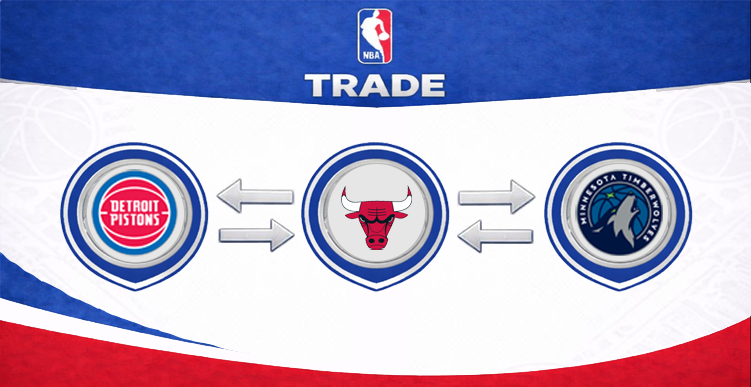
The Pistons picked up Kevin Huerter, Dario Saric and the right to swap 2026 first-round picks in a three-team trade that included the Chicago Bulls and Minnesota Timberwolves. As part of this move, Detroit waived Isaac Jones.

Why They Did It

Detroit wanted to add more shooting, and did so in theory with Kevin Huerter. Why “in theory”? Huerter hasn’t shot it well for the last two seasons, after being pretty good for most of his career. If the Pistons can get him on track, he’ll be a helpful player.

Picking up the ability to swap picks with the Wolves in this year’s draft should see the Pistons move up a handful of picks in the backend of the first round. That’s not nothing.

Work Left To Do

Detroit is waiving Dario Saric to create a roster spot to sign guard Daniss Jenkins from his two-way deal. This is a well-earned promotion for Jenkins, who has been a key rotation player for the Pistons. That should round out Detroit’s roster for the playoffs.

Indiana Pacers

What They Did

The Pacers were pretty quiet until making a huge splash right before the deadline. Indiana picked up center Ivica Zubac from the LA Clippers for Bennedict Mathurin, Isaiah Jackson, two first-round picks and second-round pick. The earlier of the two first-rounders is very creatively protected with the Pacers getting it if it falls 1-4 or 10-30 in 2026. The Clippers will get the pick if it falls 5-9, otherwise they get an unprotected first in 2029.

Why They Did It

This move was about next season and beyond for the Pacers. Zubac is working his way back from an ankle injury, and it’s unclear when/if he’ll suit up for Indiana this season. Next season however, the Pacers will roll out Zubac alongside Pascal Siakam, Aaron Nesmith, Andrew Nembhard and a returning Tyrese Haliburton. That’s what this trade was all about adding a long-term center to a team that intends on contending starting with next season. Mathurin wasn’t likely to be re-signed, as the Pacers have a lot of backcourt depth, and money tied up in that depth. Jackson was a depth big, who won’t be needed with Zubac in the fold.

Protecting the pick the way they did was smart by Indiana too. They get the pick if it’s a prime asset in this year’s draft. In what was a tough negotiation, the Pacers did well to keep the blue-chip part of this year’s selection.

Work Left To Do

Indiana has an open roster spot. They could look at converting one of their two-way players, as all three of Quenton Jackson, Taelon Peter and Ethan Thompson have had moments. Beyond that, expect more of what we’ve already seen from the Pacers this season: fairly competitive games that end in a loss. Kind of the ideal outcome in a gap year.

Miami Heat

What They Did

Nothing. Nada. Zip. Zilch. The Heat sat out trade season entirely, as the only Eastern Conference team to do so.

Why They Did It

Whether Miami was conserving assets for an eventual run at Giannis Antetokounmpo, or simply unable to get any kind of deal done, the old adage applies here: No trade is better than a bad trade. The Heat are kind of treading water right now. They’re competitive, but not a threat to do much in the playoffs. They need some salaries and picks to resolve themselves before flexibility frees up. That means just riding things out for the time being.

Work Left To Do

The Heat have an open roster and enough room under the luxury tax to fill it whenever they want. That spot could go to Myron Gardner, who has played well on his two-way deal. It could also go to a buyout player, as Miami has no restrictions on adding anyone through the buyout market. Just don’t expect anything overly impactful.

Milwaukee Bucks

What They Did

The Bucks made a trade, but not the one everyone was waiting for. Milwaukee sent Cole Anthony and Amir Coffey to the Phoenix Suns for Nigel Hayes-Davis, in a three-team deal where they acquired Ousmane Dieng from the Chicago Bulls.

The Bucks also signed Cam Thomas, after he cleared waivers on Sunday. Milwaukee created that roster spot by waiving Hayes-Davis.

Why They Did It

The Bucks made it pretty clear that they didn’t intend to trade Giannis Antetokounmpo. They held firm in that resolve, despite several teams making runs at acquiring the Bucks superstar forward. Now, we see where things go long-term with Antetokounmpo and Milwaukee, as he’s eligible for a contract extension in October.

Adding Thomas will give the team some additional scoring punch. The fit isn’t really clear, as Kevin Porter Jr. plays a similar role to what Thomas has traditionally done, but the Bucks intend on making a push for the postseason. Thomas’ scoring ability could aid in that.

Work Left To Do

The Bucks probably are what they are for the rest of this season. If Antetokounmpo can get back on the floor and stay healthy, Milwaukee will compete for a spot in the Play-In Tournament. But there’s no long postseason run coming for this group. And we’re merely a few months away from another round of speculation involving Antetokounmpo’s future in Milwaukee.

New York Knicks

What They Did

The Knicks created needed wiggle room under their second-apron hard cap by trading Guerschon Yabusele to the Chicago Bulls for Dalen Terry. New York then sent Terry to the New Orleans Pelicans with two second-round picks for Jose Alvarado.

Why They Did It

Yabusele wasn’t working out in New York and both sides wanted a divorce. Ending up with Alvarado for Yabusele is a win for the Knicks. They need another ballhandler with Miles McBride sidelined long-term after a hernia surgery. Alvarado is a New York native and his all-out style will be adored by Knicks fans. In addition, the New York created enough space under their second-apron hard cap to make a rest-of-season signing whenever they want versus having to wait until the waning days of the regular season.

Work Left To Do

Filling that last roster spot would seem to be next up for the Knicks. None of the team’s three two-way players screams that they are a must-convert. That means we could see an outside addition, perhaps another big to give the team a bit more size on the roster.

Orlando Magic

What They Did

It was a pretty quiet deadline for the Magic. They were always likely to get out of the luxury tax and they did so by sending Tyus Jones to the Charlotte Hornets, along with two second-round picks. That got Orlando far enough under the tax that they signed Jevon Carter to replace Jones. The Magic have enough space to fit in one more rest-of-season signing, provided they time it out.

Why They Did It

Orlando hasn’t been good enough to justify going into the tax this year, and Jones had seen his role in the rotation reduced greatly in recent weeks. Even if the Magic were going great, they’d still have wanted to avoid the tax, as the roster looks to be very expensive for the next few seasons. No reason to start that tax repeater clock before it’s necessary.

Work Left To Do

After signing Carter, the Magic have one open roster spot. That could go to two-way player Jamal Cain, who has shown flashes this season. Just don’t expect anything soon. It’ll be mid-March before Orlando has enough clearance to make a rest-of-season signing.

Philadelphia 76ers

What They Did

Philadelphia started their tax-avoidance moves by sending Jared McCain to the Oklahoma City Thunder for a first-round pick and three second-round picks. The team then sent Eric Gordon and second-round swap rights in 2032 to the Memphis Grizzlies for the draft rights to Justinian Jessup to get under the tax line.

Following the deadline, Sixers signed Dominick Barlow to a standard contract. They also added a couple of players on 10 Day contracts to make sure they could meet roster minimums.

Why They Did It

The Sixers were always likely to pursue getting under the luxury tax. They didn’t need to, as they aren’t hard-capped, but saving against the tax has become their M.O. at the deadline in recent years. Getting back a first and three seconds for McCain isn’t a bad return, but it feels underwhelming, considering the potential McCain showed as a rookie. Gordon wasn’t playing a rotation role, so there’s no production lost there.

Signing Barlow to a team-friendly two-year deal was good value. He’s been a great find for Philadelphia, and he’s become a solid starter at the four.

Work Left To Do

Expect the 76ers to eventually sign a pair of rest-of-season deals to fill out the roster. They could probably use another guard and maybe one more wing, given they traded McCain and Paul George is going to miss several more games while suspended. Two-Way player Jabari Walker was active for just about every game before running out of NBA eligibility, so converting him is something to keep an eye on.

Toronto Raptors

What They Did

The Raptors added Chris Paul from the LA Clippers, while salary-dumping Ochai Agbaji onto the Brooklyn Nets, along with a second-round pick, in a three-team deal. Toronto used their open roster spot to pick up Trayce Jackson-Davis from the Golden State Warriors for a second-round pick.

Why They Did It

Toronto wasn’t going to pay the tax for a team that is good, but not a title contender. They looked at bigger trades, but felt the value wasn’t quite there to pull off a blockbuster yet. Adding Jackson-Davis gives the team some additional frontcourt depth, in case Jakob Poeltl’s back continues to be an issue for the rest of the season.

Work Left To Do

The Raptors will eventually waive Chris Paul, as the veteran point guard isn’t even being asked to report to Toronto. That open roster spot could go to either A.J. Lawson or Alijah Martin from the two-way ranks.

Washington Wizards

What They Did

The Wizards started the deadline by acquiring Trae Young for C.J. McCollum and Corey Kispert. Washington then pulled off another blockbuster by getting Anthony Davis, Jaden Hardey, D’Angelo Russell and Dante Exum from the Dallas Mavericks for Khris Middleton, A.J. Johnson, Marvin Bagley III, Malaki Branham, two first-round picks and three second-round picks.

Why They Did It

This is the last year that the Wizards are going to be intentionally near the bottom of the standings. Adding Young and Davis are moves to start to push the team up in the Eastern Conference. It’s unclear how much either will play for Washington this season, if at all. This move was about next season, when the two vets will team with the Wizards young core to make a run at the playoffs.

Work Left To Do

The Wizards waived Dante Exum over the weekend. They’re working on a buyout with D’Angelo Russell, who isn’t being asked to report to the team. That’ll leave the team with three open roster spots (one is currently filled by Keshon Gilbert on a 10 Day contract). Expect two of those openings to be filled by two-way players Tristan Vukcevic and Jamir Watkins, like via the remaining Non-Taxpayer MLE to give each player a long-term deal.

Michael GinnittiFebruary 09, 2026
© USA Today Sports

The window for NFL teams to apply a tag to a pending free agent runs from February 17th through March 3rd. For more on tag options, calculations, and a history of usage, visit Spotrac's Franchise Tag Tracker.

2026 Tag Projections

Position Non-Exclusive Franchise TagValue Transition TagValue
Quarterback $47,242,000 $40,744,000
Wide Receiver $28,037,000 $24,390,000
Offensive Line $27,764,000 $25,101,000
Linebacker $27,559,000 $22,983,000
Defensive Tackle $27,424,000 $21,882,000
Defensive End $26,710,000 $22,390,000
Cornerback $20,783,000 $17,466,000
Safety $20,758,000 $16,369,000
Tight End $16,007,000 $13,529,000
Running Back $14,186,000 $11,410,000
Kicker or Punter $6,846,000 $6,133,000

Daniel Jones (QB, Colts)

Projected Tag: $47,242,000

An Achilles injury puts a wrench in what was setting up to be a slam dunk extension situation for both Jones and the Colts. While that still may be the case (currently valuing at $43.5M), a $47M franchise tag may also be in play here, especially with a half dozen or so teams looking to upgrade at QB this March. 

George Pickens (WR, Cowboys)

Projected Tag: $28,037,000

A change of scenery in Dallas was a path to career numbers (93 catches, 1,429 yards, 9 TD) for Pickens, who is scheduled to hit the open market on a high note. He's a candidate for a $28M franchise tag this February, with a multi-year valuation near $31M per year heading toward March, projecting toward a 4 year, $124M deal in our system.

Breece Hall (RB, Jets)

Projected Tag: $14,186,000

Hall is considered the most attractive running back set to become available this March, coming off of a career-high 1,065 rush yards in 2025. Combine that with a season where he caught 76 passes (2023), and a significant drop in fumbles this past year, and it's understandable why there might be more than just a few teams vying for his services. He projects toward a 4 year, $42M deal in our system.

Travis Etienne (RB, Jaguars)

Projected Tag: $14,186,000

Etienne hasn’t ascended to anywhere near his #25 overall draft slot, but he flashed a lot of versatility in his first few seasons, and really seemed to gel well with Liam Coen’s new offense in JAX in 2025. There’s likely interest in continuing this relationship, but a $14M+ franchise tag for a player valuing just over half of that in reality probably isn’t necessary. 

Kyle Pitts (TE, Falcons)

Projected Tag: $16,133,000

The former #4 overall pick out of Florida has come nowhere close to living up to that threshold, but he's walking into free agency coming off of a career year, with positive vibes surrounding him, and a new coach in Atlanta who may be very interested in retaining his services. A $16M franchise tag seems a bit high here, as Pitts currently values toward an $11M deal in our system.

Odafe Oweh (LB, Chargers)

Projected Tag: $27,559,000

Oweh doesn’t have the resume to put him in a top of the market edge defender money conversation just yet, but he’s an ascending player and likely to be considered the top available pass rusher this March. If the Chargers plan to keep him, slapping an overpriced tag on him this month would be a good start. Oweh projects toward a 3 year, $58M contract in our system.

Michael GinnittiFebruary 06, 2026

Drew Brees

Brees was a 2nd Round pick (#32 overall) by the San Diego Chargers back in 2001, signing a 4 year, $3.6M rookie contract that year. He’d see it out, garnering an $8M franchise tag from the team in 2005 which he opted to play on before hitting free agency for the first time in March of 2006.

The Saints pounced, signing 27-year-old Brees to a 6 year, $60 million free agent contract that included $20M fully guaranteed, and $22M cash in the first year. Once again, Brees would play out the entirety of the contract, which led to yet another franchise tag, this time however - an exclusive rights tender at $16.371M.

New Orleans and Brees negotiated right up to that July extension deadline, before agreeing to terms on a 5 year, $100 million contract that included $40M fully guaranteed, making Brees the first $20M per year player, and the highest average paid player in the history of football. He would play out 4 years, $80M of this deal before beginning a stretch of short, quick contract extensions that refreshed his wallet, and kept his current-year cap hit at bay.

In 2016, Brees turned the $20M remaining on his previous extension into a 2 year, $44M contract through 2017 that paid him $31.25M in the first season. He followed that up with a 2 year, $50M extension through 2019, and a 1 year, $25M contract through 2020 to finish off his career.

In total, Brees signed 7 contracts (2 for San Diego, 5 with the Saints) that secured him over $271M of on-field earnings, which still ranks 8th most in NFL history today.

VIEW ALL CONTRACTS

Larry Fitzgerald

The Cardinals selected Fitzgerald #3 overall out of Pitt back in 2004, signing him to a 6 year, $52.7M rookie deal (heavily back-loaded with potential escalators). He’d play out 4 years, $20.8M of the deal, before locking in a 3 year, $30M extension with the team through the 2010 season.

In August of 2011 things got real, as a 28-year-old Fitzgerald agreed to a 7 year, $113 million contract extension with Arizona, making him the highest average paid WR ($16.1M) in history, and the 4th highest average paid player in the NFL (behind Brady, Manning, and Manning). He’d play out 4 years of this contract, earning $58.5M over that span, before beginning a trend of short, quick turn-around contracts for cash/cap purposes.

He signed a 2 year, $22M deal in 2015 that became a 1 for $11M contract.
He signed a 1 year, $11M contract in 2016.
He signed a 2 year, $22M contract in 2017.
He signed a 1 year, $11M contract in 2019
And he finished things off with a 1 year, $11.5M contract in 2020.

In total, Fitzgerald signed 8 NFL contracts, all in Arizona, that secured him over $180M of on-field earnings, which ranks 25th most among WRs all-time.

VIEW ALL CONTRACTS

Luke Kuechly

Selected #9 overall back in 2012 by the Carolina Panthers out of Boston College, Kuechly signed a 4 year, $12.5M rookie contract to join the league. The Panthers had seen enough after three seasons to know they had found a franchise-leading defensive captain, agreeing to a 5 year, $61M extension with the 24-year-old in September of 2015.

Kuechly would see out the next 5 seasons, earning over $53M of the deal, before stepping away from the game due to injury in January of 2020.

He earned over $63M across 8 NFL seasons, signing just two professional contracts along the way.

VIEW ALL CONTRACTS

Adam Vinatieri

The Patriots signed Vinatieri as an undrafted free agent out of South Dakota State back in 1996, handing him a $1,000 signing bonus on a 2-year minimum deal. It worked out.

Vinatieri followed up a $238,000 tender in 1998 with a 3 year, $2.5M extension in 1999 that included a $900,000 signing bonus, and over $1.2M cash in Year 1. He’d see out the entire deal, adding a 3 year, $5.375M deal in 2002 that made him a Top 3 paid kicker in the league.

Unsure of his future, New England slapped a $2.5M franchise tag on the 33-year-old back in 2005, and Vinatieri agreed to play it out.

He hit free agency for the first time in 2006, joining the Colts on a 5 year, $12 million contract, making him the highest average paid kicker in football at $2.4M. Vinatieri would play the deal out, once again hitting the open market at 39-years-old. The Colts agreed to re-sign him to the tune of  3 years, $9.2M, including a $3.6M signing bonus.

He’d play out that contract in its entirety, agreeing to a 2 year, $5 million extension through 2015 (his age 43 season), following by another 2 year, $6M extension through 2017 (his age 45 season), a 1 year, $3.6M extension through 2018 (age 46) and a final 1 year, $3.8M deal through 2019 (age 47).

In total, Adam Vinatieri signed 11 NFL contracts (5 with New England, 6 with Indianapolis), accounting for over $51M earned on the field across an incredible 24 seasons. He ranks 3rd all-time among career earnings for kickers (Janikowski $53M, Gano, $53M).

VIEW ALL CONTRACTS

Roger Craig

Craig was the #49 overall pick by the 49ers back in 1983, signing a 3 year, $560,000 contract to join the club that summer. He would platform that into a 5 year, $2.6 million contract in 1986 that took him through the 1989 campaign. Craig would play out another 1 year, $1.5M in San Francisco, before joining the LA Raiders on an $800,000 deal for the 1991 season.

The then 32-year-old would finish off his career in Minnesota, earning $825,000 in 1992, and another $625,000 in 1993.

In total, Craig earned an estimated $7.1M on the field from 1983-1993.

VIEW ALL CONTRACTS

Keith SmithFebruary 05, 2026
© USA Today Sports

The NBA trade deadline has passed. For most, that means it’s time to take a breath and reset. For NBA front offices, they get right back to work.

The buyout market is the less-glamorous cousin to the trade deadline. Coming off a slow-to-start, but then utterly wild 2026 NBA trade season, the buyout market might seem a bit underwhelming.

That said, there will still be some recognizable names on the buyout market…maybe.

As they have for the past couple of seasons now, teams are working under tighter rules in the buyout market. Gone are the days of the most expensive teams filling out their rosters by snagging a high-salaried player who gave up the equivalent to a prorated veteran minimum to chase a ring.

Under the current CBA, teams who are over the first or second apron are restricted from signing a player after a buyout (or waiver) whose previous contract was greater than the Non-Taxpayer MLE for the current season. For this year, that’s $14,104,000.

So, on one side, you have a handful of contenders out of the mix to add a formerly high-salaried player. On the player side, they may be less likely to take a buyout if their options for the next team are limited.

For example, if you are making $20 million-plus, but your options are limited of where to go next, you may be better off staying where you are. This is especially true of players who have full Bird rights as a free agent in the summer of 2026. That could lock in a bigger contract via re-signing or a sign-and-trade than is prudent to give up by taking a buyout.

The same is true for teams. If they are capped out, they might prefer to have a player on an expiring deal, as opposed to buying them out. Similar to the player side, a team would rather be able to use that player’s Bird rights to bump up their salary in an outgoing sign-and-trade deal.

So, if you add it all up, the buyout market has changed over the last few years. Several players will still hit the market, as their contract situations now and moving forward won’t prevent them from taking a buyout.

As of this writing, the following teams are over the first or second apron and will be restricted from signing a player who makes more than $14,104,000 currently:

  • Cleveland Cavaliers
  • Golden State Warriors
  • New York Knicks

In addition, the following teams are over the luxury tax line. There’s no restriction on them adding a buyout player, but teams are often reluctant to add to their tax bill:

  • Houston Rockets
  • LA Clippers
  • Los Angeles Lakers
  • Minnesota Timberwolves

With all of that in mind, here the players to watch on the 2026 Buyout Market. Note: some of these players have already been waived. We’ll note where those waivers have happened or reported.

(This list is presented in alphabetical order. There is no ranking involved.)

Kyle Anderson (Memphis Grizzlies, PF, 32 years old)

Current Salary: $9.2 million

Anderson hasn’t played a lot this year and was a salary-matching part of the trade that sent Jaren Jackson Jr. to Utah. When Anderson has played, he’s shown he can still be productive. As the Grizzlies lean into rebuilding, they may let Anderson go to join a playoff team. If a team needs a veteran in the frontcourt, Anderson could be a nice pickup for the rest of the season.

Malaki Branham (Charlotte Hornets, SG, 22 years old)

Current Salary: $4.9 million

Branham went on quite the journey at the trade deadline. He was swapped from the Washington Wizards to the Dallas Mavericks to Charlotte Hornets. Branham could stick in Charlotte, but the red-hot Hornets may prefer to have an open roster spot to convert a two-way player or add a veteran after a buyout. Branham can shoot and score a bit, but the Hornets backcourt is stuffed full, making him unlikely to stick beyond the rest of this season at most.

Mike Conley (Free Agent (waived by Charlotte Hornets), PG, 38 years old)

Former Salary: $10.7 million

Conley was waived by the Hornets. Because he was traded a second time after the Minnesota Timberwolves sent him to the Chicago Bulls, Conley could return to Minnesota. That may even be the plan here. If not, Conley will have a wide market for teams looking for a veteran point guard.

Pat Connaughton (Free Agent (waived by Charlotte Hornets), SG/SF, 33 years old)

Former Salary: $9.4 million

Connaughton didn’t play much for the Hornets before he was waived to allow Charlotte to complete their deadline moves. As recently as a couple of seasons ago, Connaughton was a rotation player on playoff teams for the Milwaukee Bucks. If a team needs a veteran shooter (or at least a former shooter) for their bench, they could take a look at Connaughton.

Eric Gordon (Memphis Grizzlies, SG, 37 years old)

Current Salary: $2.3 million

Gordon was traded by the Philadelphia 76ers to the Memphis Grizzlies in a tax-avoidance deal. The Grizzlies are reportedly going to waive the veteran shooting guard. Gordon has barely played this season for the Sixers. When he got semi-regular minutes for Philadelphia last season, Gordon still hit 41% from deep on 3.5 three-point attempts per game. If a team is desperate for shooting, Gordon could make for a sensible pickup. Just don’t expect much beyond shooting at this point.

Haywood Highsmith (Free Agent (waived by Brooklyn Nets), SF/PF, 29 years old)

Former Salary: $5.6 million

Highsmith hasn’t played yet this season, as he’s been recovering from offseason knee surgery since August. However, it was reported that Highsmith is just about ready to make his season debut. When we last saw Highsmith, he was a rugged defender who could make shots. Not your typical 3&D wing, but more of a shooting combo forward. He’ll have plenty of offers from playoff teams who need some shooting and defense at the forward spot.

Isaac Jones (Free Agent (waived by Detroit Pistons), PF/C, 25 years old)

Former Salary: $1.9 million

The Pistons waived Jones when they needed a roster spot to complete a deadline acquisition. Jones didn’t see much NBA action with Detroit, but was solid in the G League. He’s tough and athletic, if a bit undersized. Keep an eye on rebuilding teams with an open roster spot that could bring Jones in for a rest-of-season look.

DeAndre Jordan (New Orleans Pelicans, C, 37 years old)

Current Salary: $2.3 million

Jordan is a valuable locker-room voice at this point. The Pelicans value his presence with their young roster. However, Jordan may want to finish his career on a title contender. In addition, New Orleans could use a roster spot to convert two-way player Bryce McGowens, who has been a regular rotation player this season. If Jordan is waived, a playoff team with the need for center depth will likely give him a call, as he’s well thought of around the league.

Kevin Love (Utah Jazz, C, 37 years old)

Current Salary: $4.2 million

Love has played a lot more for Utah than most expected he would. His shooting has slipped, which is an issue because Love is strictly a spot-up shooter now on offense. He can still rebound, so maybe a frontcourt-needy team will take a look. The Jazz also seem to like having Love around, so he may finish the season in Utah.

Khris Middleton (Dallas Mavericks, SF/PF, 34 years old)

Current Salary: $33.3 million

This is our only player who can’t be signed by the apron teams. It’s also a bit of a weird situation for Middleton, where his Bird rights could be more valuable to him and the Mavericks than simply buying him out. But if Middleton does give back some money, a playoff contender will definitely pick him up. He’s no longer a switchable wing, and is instead more of a small forward/small-ball power forward. It took Middleton a while to get going for the Wizards this season, but he’s found a good form recently. He’s a still a smart ball-mover, can still shoot a little and has been in big playoff games for years. That will have interest for playoff contenders.

Georges Niang (Memphis Grizzlies, PF, 32 years old)

Current Salary: $8.2 million

Like Kyle Anderson, Niang was tossed into the Jaren Jackson Jr. trade to make the salary-matching math work. Niang hasn’t played this year, as he’s battled a foot injury. When we last saw him, Niang was a productive backup forward, who can also play some small-ball five. If he’s healthy, Niang could help a team that needs some floor spacing and positional defense in their frontcourt.

Chris Paul (Toronto Raptors, PG, 40 years old)

Current Salary: $2.3 million

Paul will reportedly be waived by the Toronto Raptors. From there, it’s about two things: Does Paul still want to play? If so, where? This offseason, the veteran “Point God” self-limited his market to West Coast teams, specifically those close to his Los Angeles home. If he’s open to playing away from home, Paul will have no shortage of suitors. Just about any playoff team could use a veteran like him coming off their bench. There are also a few high-profile playoff teams that need another point guard. It’s all up to Paul where, and if, he wants to play.

Mason Plumlee (Free Agent (waived by Oklahoma City Thunder), C, 35 years old)

Former Salary: $2.3 million

Plumlee was waived by the Oklahoma City Thunder after being traded there from the Charlotte Hornets. He’s also dealing with recovery from a groin injury. Plumlee is expected to be healthy by the end of the season, so he could provide veteran frontcourt depth for a playoff team. Plumlee is still a good screener and ball-mover, and is solid enough on the glass. For a depth big, you could do worse.

Dario Saric (Detroit Pistons, PF/C, 31 years old)

Current Salary: $5.4 million

Saric hasn’t played much over the last two years. Injuries have sapped his ability to move on defense, and Saric isn’t big enough to be a deterrent in drop-coverage schemes. Offensively, he can still move the ball. But his long-range shooting has dropped off, and Saric doesn’t have the burst to take opposing bigs off the bounce anymore. The Pistons need a roster spot to convert two-way player Daniss Jenkins, and Saric is likely the one who will go. If so, he may find better offers to head overseas than trying to make it work in the NBA.

Cam Thomas (Brooklyn Nets, SG, 24 years old)

Former Salary: $5.9 million

Thomas is the best player on this list. He’s a scoring-machine, if not always the most efficient bucket-getter. But any team that needs some scoring punch off their bench will have interest in Thomas. A team that has part of their Non-Taxpayer MLE leftover could even give Thomas a multi-year contract. The more likely path is a rest-of-season deal with a good team, where Thomas can rebuild his value before hitting unrestricted free agency in July.

Keith SmithFebruary 04, 2026
© USA Today Sports

The Detroit Pistons acquired a hopeful shooting threat. The Bulls continued reshaping their roster by adding a young guard. The Minnesota Timberwolves got under the first apron to possibly set up a bigger move.

Here are the particulars:

Detroit Pistons acquire: Kevin Huerter, Dario Saric, 2026 protected first-round pick swap (as of now, it looks like the Pistons will swap their pick for the Timberwolves)

Chicago Bulls acquire: Jaden Ivey, Mike Conley

Minnesota Timberwolves acquire: Cash Considerations

Let’s dive in!

Detroit Pistons

Incoming salary: $23.4 million in 2025-26

  • Kevin Huerter (SG/SF, one year, $17.9 million), Dario Saric (PF/C, one year, $5.4 million)

Outgoing salary: $10.1 million in 2025-26

  • Jaden Ivey (SG, one year, $10.1 million (RFA this offseason))

The Detroit Pistons have been looking for a way to add shooting. It’s one of the only holes that Detroit has had this season. In theory, Kevin Hueter should provide that. Why in theory?

Well, Huerter hasn’t shot it well the last two seasons. He’s in the midst of third consecutive season of declining accuracy from behind the arc. If Huerter can find the form he showed earlier in his career, he’ll be exactly what Detroit needs. If not, he’s nothing more than expiring contract who won’t see minutes in the postseason.

Dario Saric is little more than a throw-in to make the salary-matching work in this trade. There’s a good chance he won’t last on Detroit’s roster much past the trade deadline. The Pistons need to create a roster spot to convert breakout two-way player Daniss Jenkins.

All of that really makes this trade Jaden Ivey for Huerter and a first-round pick swap. That pick will likely be better than the Pistons, so Detroit should be able to move up at least a few spots in the draft.

So, why did the Pistons give up on Jaden Ivey? The simple answer is that Ivey hasn’t regained the form he showed before suffering a broken leg last season. The more complex answer is that Ivey’s place in Detroit’s rotation was looking less certain with the emergence of Ausar Thompson, Ron Holland and the aforementioned Jenkins.

By trading Ivey, the Pistons also remove a potentially awkward situation with his restricted free agency this offseason. Detroit may have best off to non-tender a qualifying offer to Ivey and clearing his $30 million cap hold off the books. Now, they can let that decision be made by the Chicago Bulls.

As far as that near-term future goes for the Pistons, they’re in pretty good shape. Detroit can create up to $30 million in cap space this summer. That would mean clearing the books of all free agents except for Jalen Duren, and the team’s partial/non-guaranteed contracts. So, Detroit may choose to stay over the cap. Either way, the Pistons are in pretty good shape now and moving forward.

Chicago Bulls

Incoming salary: $20.9 million in 2025-26

  • Jaden Ivey (SG, one year, $10.1 million (RFA this offseason)), Mike Conley (PG, one year, $10.8 million)

Outgoing salary: $23.4 million in 2025-26

  • Kevin Huerter (SG/SF, one year, $17.9 million), Dario Saric (PF/C, one year, $5.4 million)

The Bulls are continuing to retool their roster. After agreeing to this trade, the Bulls sent Nikola Vucevic to the Boston Celtics for Anfernee Simons. After years of resisting a rebuild, the Bulls are clearing out some of their veterans and bringing in younger players.

Jaden Ivey is a good upside bet for Chicago. Before breaking his leg last season, Ivey was averaging a career-high 17.6 points per game on 46/41/73 shooting splits. Ivey has also flashed some playmaking skills, as well as playing some solid defense.

The one challenge for Ivey and the Bulls is that this backcourt is overstuffed with options. Expect another trade or two to thin things out, likely involving Coby White, Ayo Dosunmu, Tre Jones, or Chicago flipping Simons in another deal.

If Ivey can find the form he showed before getting hurt, and he’s showed signs this year, he’s a nice player to add to the mix for the Bulls. His shooting ability pairs well with Josh Giddey in the backcourt, and he can play on-ball in lineups where Chicago needs additional playmaking.

The Bulls are reportedly going to work with Mike Conley on finding him a new home. If another trade doesn’t materialize before the deadline, expect a buyout for Conley. Because the veteran point guard makes less than the Non-Taxpayer MLE on his current contract, he’ll be able to join any team on the buyout market.

If everything goes sideways with Ivey and the Bulls, Chicago is still in great shape. The Bulls will likely hit the offseason with somewhere between $25 million and $40 million in cap space. That figure could even rise, as Arturas Karnisovas continues to deal ahead of the deadline.

Minnesota Timberwolves

Incoming salary: None

  • The Wolves are receiving Cash Considerations in this trade

Outgoing salary: $10.8 million

  • Mike Conley (PG, one year, $10.8 million)

This one is simple: The Minnesota Timberwolves got themselves under the first apron in this deal. Minnesota will be about $2.5 million under the first apron. That’s not a massive amount, but it does allow the Wolves a lot of flexibility. They can take back a little money in a trade now. They have no worries of bumping up against the second apron. 

This deal is really all about what’s next for Minnesota. Is it a deal for Giannis Antetokounmpo? A trade for a point guard? Something smaller that rounds out the team’s depth? Only time will tell. But the Wolves are in a better position to make whatever it is happen now than they were previously.

In the short-term, it looks like Minnesota will lean on Bones Hyland and Rob Dillingham behind Donte DiVincenzo at the point guard spot. Hyland has played well this year, while Dillingham has struggled to find traction in his second year. It wouldn’t be a surprise to see Dillingham on the move, if the Timberwolves make a big trade ahead of the deadline.


Keith SmithFebruary 03, 2026
© USA Today Sports

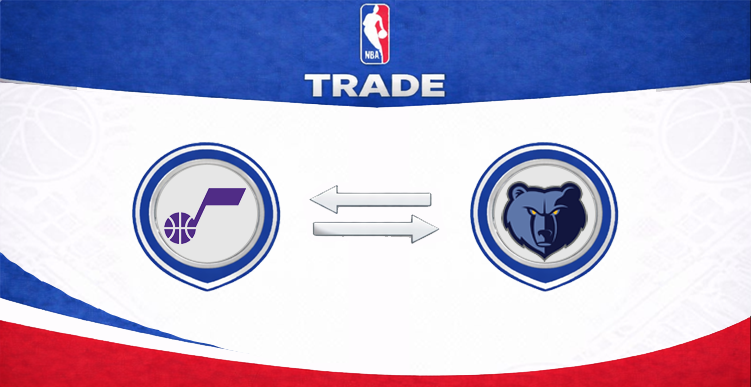
The Utah Jazz have indicated that 2025-26 would be the final year of rebuilding. By making a big move to acquire Jaren Jackson Jr., the Jazz are backing that up. The Memphis Grizzlies have made another move that seems to be pushing them towards a total makeover.

Here are the particulars:

Utah Jazz acquire: Jaren Jackson Jr., John Konchar, Jock Landale, Vince Williams Jr.

Memphis Grizzlies acquire: Kyle Anderson, Walter Clayton Jr., Taylor Hendricks, Georges Niang, 2027 most-favorable first-round pick (likely Jazz), 2027 Lakers first-round pick (top-4 protected), 2031 Suns first-round pick

Let’s dive in!

Utah Jazz

Incoming salary: $45.7 million in 2025-26

  • Jaren Jackson Jr. (PF/C, five years, $240 million (final season player option)), John Konchar (SG/SF, two years, $12.3 million), Jock Landale (C, one year, $2.3 million), Vince Williams Jr. (SG/SF, two years, $4.8 million (final season team option))

Outgoing salary: $27.5 million in 2025-26

  • Kyle Anderson (PF, two years, $18.9 million (final season non-guaranteed)), Walter Clayton Jr. (PG, four years, $19.3 million (final two seasons team options)), Taylor Hendricks (SF/PF, two years, $13.9 million (RFA in 2027)), Georges Niang (PF, one year, $8.2 million)

This is an example of “pre-agency” at its finest. The Utah Jazz were set to have nearly $50 million in cap space this offseason. Now, the Jazz will have Jaren Jackson Jr. under contract as part of a jumbo-sized frontcourt. Utah made the decision that there wasn’t going to be a free agent, or another trade, that would be better than getting Jackson now.

In Jackson, the Jazz get one of the best defensive big men in the game. Jackson is a good shot-blocker. He’s an outstanding on-ball defender who is able to defend 1-5. He’s not a strong rebounder, but Utah should have that covered with Walker Kessler.

On offense, Jackson can stretch the floor, even if his shot is a bit streaky. The big man can do a little ballhandling and facilitation, but he’s best as a play-finisher vs being used too much as a creator.

When you put it together Jackson is worthy of his former All-Star status and the regular awards he gets for his defense. Jackson is also only 26 years old, so there’s still some room for untapped improvement. And that’s where Utah has to hope that there is still some room to grow.

On his current $35 million salary, Jackson feels properly paid, and perhaps a bit underpaid. Next season, when his salary bumps up to $49 million, flowed by $50-plus million for the next four years, the deal starts to feel a bit heavy. However, if Jackson continues to produce and defend at an All-Defense level, the contract should age just fine.

The Jazz intend to re-sign Walker Kessler this summer to a long-term deal. He’ll team with Jackson and Lauri Markkanen in a big, versatile frontcourt. Those three should make a nice trio moving forward.

The other players the Jazz acquired in this deal come with strengths too. Jock Landale gives the team center coverage this year if they trade Jusuf Nurkic. With Kessler out for the season, Kevin Love rested regularly (and possibly on the move too), and Utah not wanting to overextend Kyle Filipowski at the five, Landale is a helpful player to have around.

Vince Williams Jr. is a good, versatile player. He’s logged a lot of minutes for Memphis this year as their primary creator, and Williams has held up well. He’ll fit in nicely on the wing or in the backcourt rotation for Utah.

John Konchar has shown flashes of being a solid shooter at time. He’s an outstanding rebounder for a wing too. There’s nothing fancy here, but Konchar could be a solid rotation player, or $6.1 million trade chip for a future deal.

The Jazz likely were not thrilled about having to give up Walter Clayton Jr. and Taylor Hendricks in this trade. But, as the old saying goes, you have to give something to get something. Clayton was moved from a position of strength with Keyonte George having a breakout season and Isaiah Collier looking like at a solid backup, with potential for more. Hendricks is still finding his stride after coming back from a broken leg, but with Jazz have a lot of forwards under contract.

Kyle Anderson and Georges Niang were both acquired this offseason in salary-related trades and haven’t played a big on-court role for the Jazz this season.

As far as the draft picks go, the best pick Utah gave up looks like that 2031 Suns pick. Who knows what that pick will be this far out? If the Jazz and Lakers go as expected next season, there’s a good chance that both of those selections will be non-lottery picks. And Utah still has seven first-round picks moving forward to use in future deals.

Memphis Grizzlies

Incoming salary: $27.5 million in 2025-26

  • Kyle Anderson (PF, two years, $18.9 million (final season non-guaranteed)), Walter Clayton Jr. (PG, four years, $19.3 million (final two seasons team options)), Taylor Hendricks (SF/PF, two years, $13.9 million (RFA in 2027)), Georges Niang (PF, one year, $8.2 million)

Outgoing salary: $45.7 million in 2025-26

  • Jaren Jackson Jr. (PF/C, five years, $240 million (final season player option)), John Konchar (SG/SF, two years, $12.3 million), Jock Landale (C, one year, $2.3 million), Vince Williams Jr. (SG/SF, two years, $4.8 million (final season team option))

The Memphis Grizzlies are rebuilding. While the Desmond Bane trade could be pitched as a reset move, trading Jackson for a package headlined by young players, draft picks and cap flexibility, there’s no doubt Memphis is rebuilding.

And that’s fine! It’s probably even good!

The Grizzlies gave it a long run with the trio built around Jackson, Bane and Ja Morant. They committed a lot of money to that trio too. Now, they’re starting over.

In this deal, Memphis wiped $240 million off the books for Jackson alone. They cleared just over $18 million off their year’s books and would be under the cap if it wasn’t for the record $28.8 million TPE the Grizzlies created in this deal for Jackson.

Next season, Memphis knocked about $45 million off their cap sheet. Expect the shedding to continue, which is where we’ll go next.

When the Grizzlies first put Ja Morant on the market, they wanted a package of draft picks and/or young talent. Now, Memphis got that package from Utah. Could they be enticed by a similar return to what the Hawks got for Trae Young of expiring salary and a nice role player? If so, Morant could be on the move before the deadline, or before next season. Either way, as the Grizzlies kick off this rebuild, Morant’s time in Memphis seems short.

Similarly, look for the Grizzlies to try to move Kentavious Caldwell-Pope and possibly Brandon Clarke too. The two veterans are out of place on a rebuilding team.

The Grizzlies are going to build around a young core that consists of Cedric Coward, Zach Edey, Jaylen Wells, Cam Spencer, and the newly-acquired Walter Clayton Jr. and Taylor Hendricks. There isn’t a surefire blue-chip prospect in that group, but there’s a ton of potential, especially with Coward. Ty Jerome and Santi Aldama will likely stick around to make sure the team doesn’t trend too young.

Memphis will hit the offseason with potentially a good amount of cap space, or a massive TPE and the full Non-Taxpayer MLE. They now have 12 first-round picks over the next seven drafts, including five over the next two years. That’s really good place to start over from.

It hurts to say goodbye to team that a fanbase had fallen for. Memphis fans loved this version of the Grizzlies. But this was the right move for the franchise to move forward. They’ve got a ton of assets, cap flexibility and already existing young talent. This could be a momentary setback to set up for a major comeback for the Grizzlies.


Top