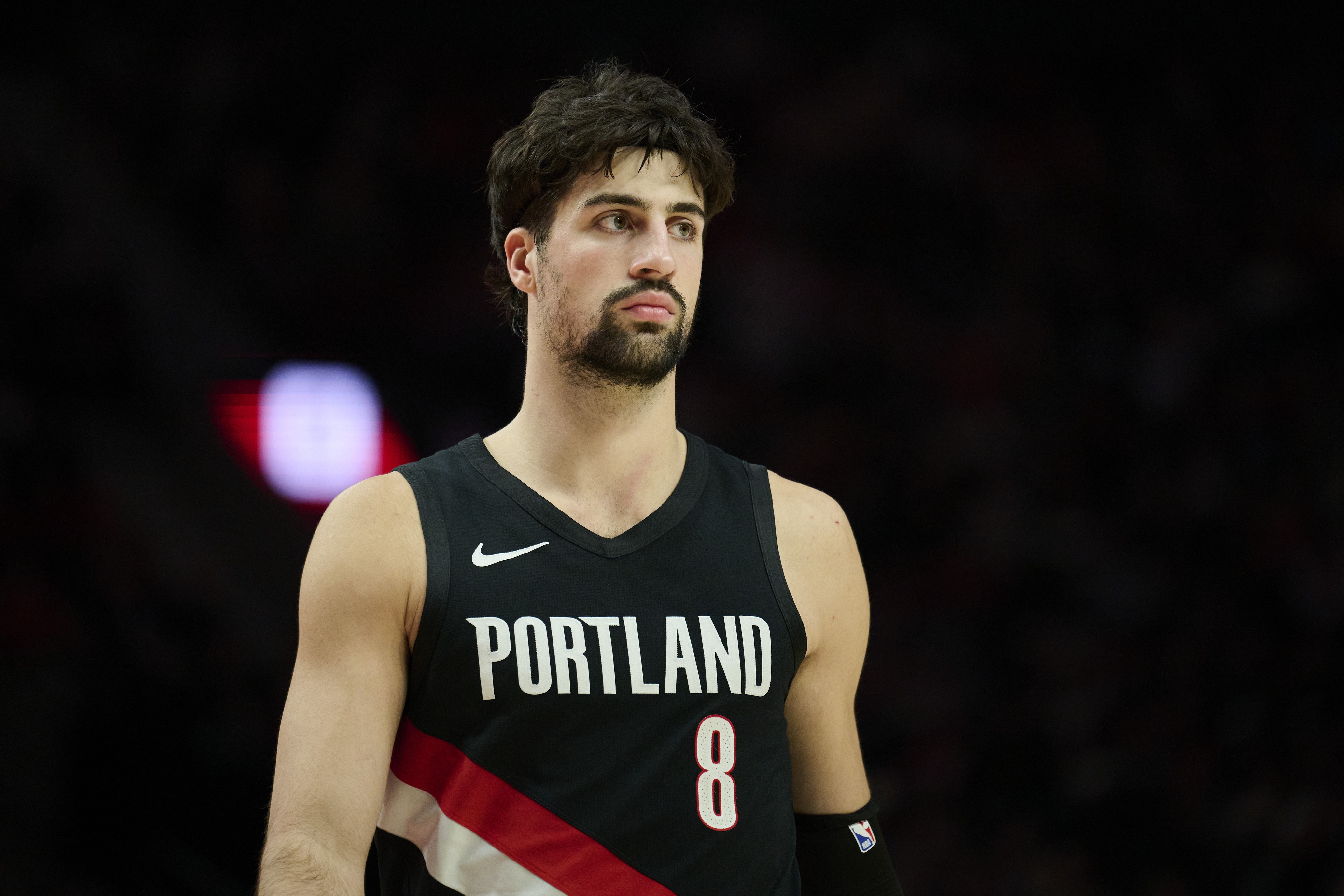
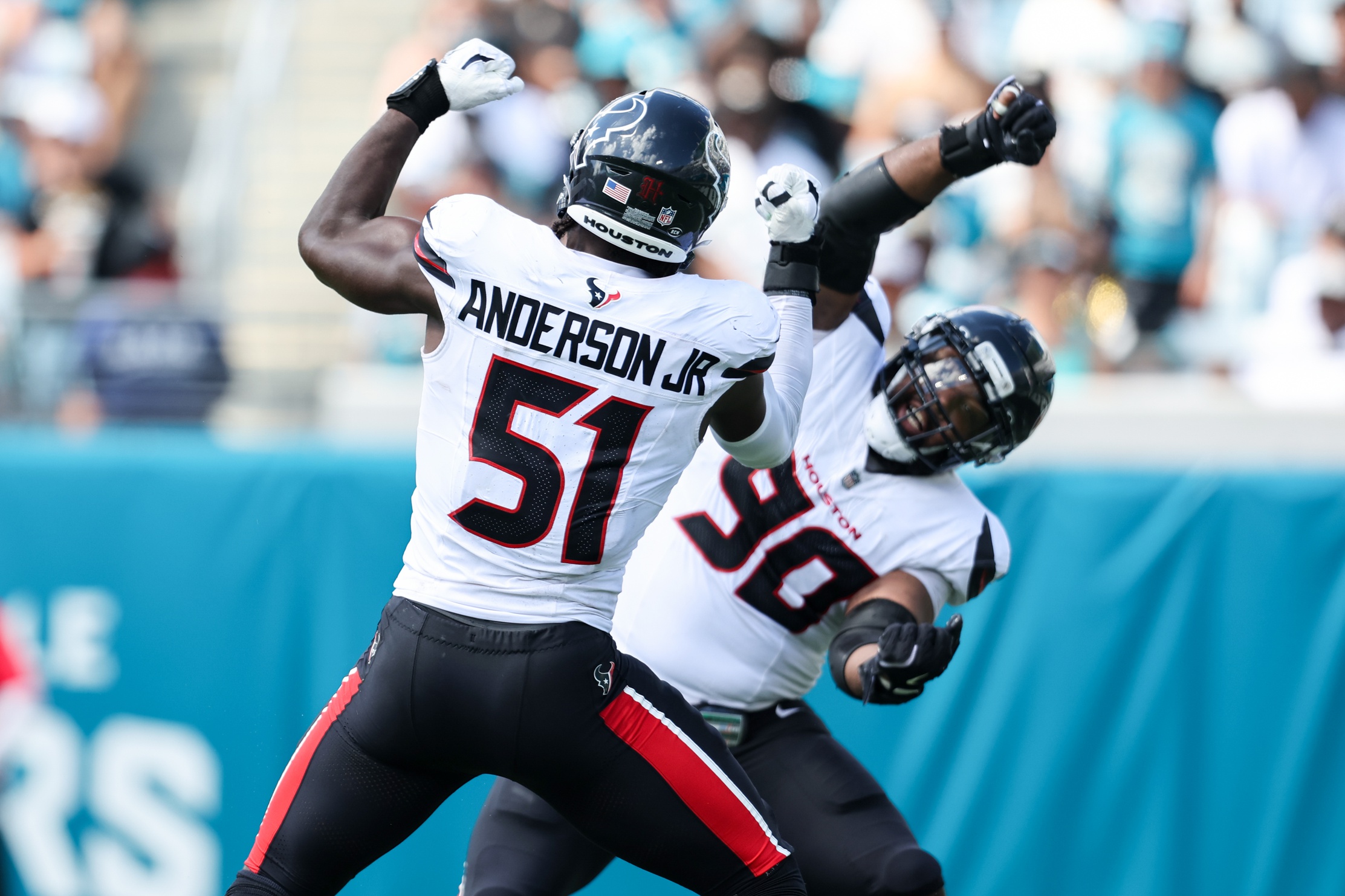
Michael GinnittiJanuary 25, 2026
© USA Today Sports

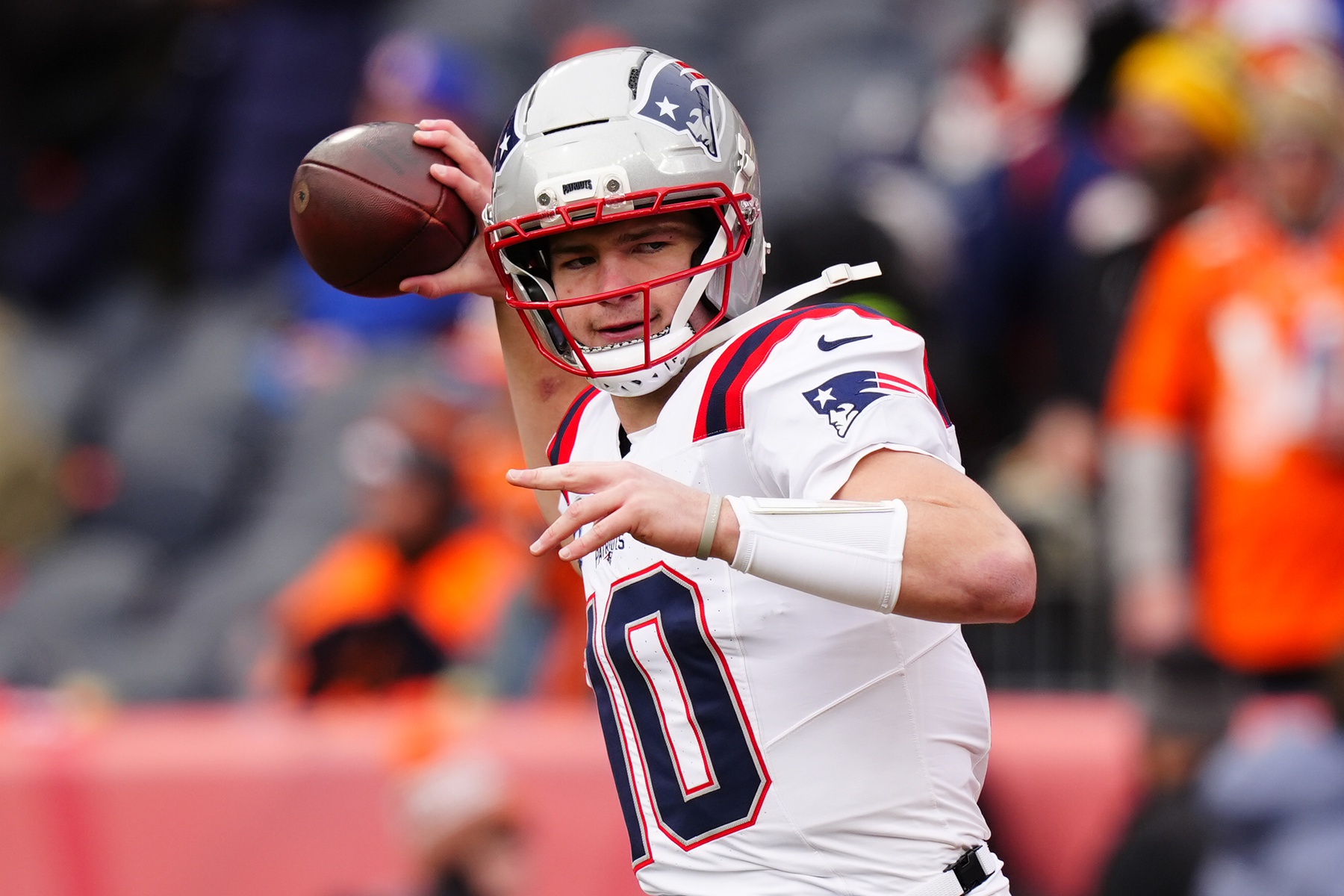
The New England Patriots finished 2025 with a 14-3 record, capturing the AFC East title, and a #2 seed in the postseason, accumulating a +170 point differential - 3rd in the league.

The Patriots head toward the 2026 league year with around $33M of cap space, based on a $303M league threshold. This includes 50 contracts, headlined by Milton Williams ($29M), Stefon Diggs ($28M), and Mike Onwenu ($25M).

New England currently boasts 11 draft picks, including two 4th-round picks (Chicago) and four 6th-round picks. Patriots Future Draft Picks

Early Offseason Questions

  • How will potentially looming off-field allegations for WR Stefon Diggs and DL Christian Barmore impact the mindset of the front office as they continue this roster buildout?
  • WRs Kayshon Boutte & Demario Douglas are heading into contract years. Are they core pieces to the Drake Maye puzzle, or will the Patriots seek a more defined WR1 for the passing game?
  • With Maye’s extension likely to come this time next year, how aggressive will the front office be to slide in other extensions in 2026 to stagger/balance the cash flow?

Notable Free Agents

(Spotrac Valuation APY)

ED K’Lavon Chaisson ($9M)
S Jaylinn Hawkins ($8.3M)
TE Austin Hooper ($2.4M)

VIEW ALL FREE AGENTS

Option Decision

CB Christian Gonzalez

When healthy, Gonzalez has proven to be one of the best, young shut-down corners in the game. The Patriots will have no trouble locking in an estimated $17.5M option for 2027.

Extension Candidates

G Mike Onwenu

The 28-year-old right guard is entering a contract year in 2026, set to earn $17.5M against a $25M cap hit. With experience at tackle as well, Onwenu should be strongly considered as a core piece of Drake Maye’s OL going forward. He projects toward a 3 year, $61M extension in our system.

CB Christian Gonzalez

Gonzalez is the atypical "shut-down" cornerback, who will be tasked with guarding the #1 weapon on the other side of the ball, will be rarely targeted because of his talent, and therefore likely won't accumulate statistical production like many other players at the position. He's as valuable as any in the game, and currently projects toward a 3 year, $81M extension in our system (with 2 years of rookie contract still on the books).

Bubble Candidates

DL Christian Barmore

Release Candidate

The 26-year-old brings a medical concern (blood clots) and an off-field concern (domestic violence allegations) into 2026, with 3 years, $53.5M remaining on his deal. There’s a $2M salary guarantee to contend with here, but an outright release still frees up $4.3M.

RB Antonio Gibson

Release Candidate

A torn ACL, plus the emergence of Rhamondre Stevenson and TreVeyon Henderson as a 1-2 punch likely pushes Gibson out of the picture in 2026. New England can free up $3.5M of space by moving on.

Potential Cap Conversions

DL Milton Williams’s 2026 salary is already secure. Converting it to bonus (plus void years) can free up $17.5M of space.

CB Carlton Davis’s 2026 salary is already secure. Converting it to bonus (plus void years) can free up $12.6M of space.

ED Harold Landry’s 2026 salary is secure. Converting it to bonus (plus void years) can free up $9M of space.

LB Robert Spillane’s 2026 salary is secure. Converting it to bonus (plus void years) can free up $6.6M of space.

RELATED LINKS
Patriots 2026 Salary Cap Table
2026 Patriots Free Agents
Spotrac’s Offseason Guides

Keith SmithJanuary 23, 2026
© USA Today Sports

After tackling the Best Value NBA Contracts earlier in the week, we’re going to look at the deals on the other side of the ledger. It’s time to look at the Worst Value contracts in the NBA. As always, we have a few notes!

Let’s start with the fact that this list has consistently gotten harder to put together over the years. There simply aren’t as many truly awful contracts as there used to be. When I first started putting this list together over a decade ago, I would start with a list of 40-50 deals and struggle to trim it down to 20 or so. Now, it’s getting harder to get all the way to 20.

What has caused this? Great question, with a few contributing factors making up the answer.

First, teams have simply gotten smarter about the deals they hand out. We no longer see them acting like Oprah handing out new cars with “You get a max! And you get a max!”. Teams have begun to reserve max deals, especially the 30% and 35% of the cap max contracts, for the true superstars. They’ll still give out 25% of the cap max to guys who they hope will grow into true max players (ESPN’s The Hoop Collective refers to this as the “Fun Max”), but the bigger max deals - the ones that can ruin your cap sheet - are being held for the best of the best.

Second, the NBA’s Apron Era has forced teams to be, if not smarter, more cautious. And, in some cases, teams simply aren’t able to stack up bad deals because the apron-related restrictions don’t allow for it. That’s led to less risky roster-building approaches of three max players and filling out with minimum deals. Teams are spreading the wealth more than ever.

Lastly, teams are less likely to extend or re-sign a player to avoid simply losing that player. As everyone has gotten smarter about cap management, that has put the brakes on the idea that if you don’t sign a guy to a big contract that someone else is sitting there waiting to. Rebuilding teams no longer just throw contracts at players. They’d rather keep their cap flexibility to eat bad contracts in exchange for future assets.

Now, to be very clear, that doesn’t mean that the league is completely free of bad contracts. There are still some floating out there. Before we get to the Worse Value contracts, here are some rules we stood by when compiling this list:

  • No Rookie Scale contracts. Even if a player has been a relative bust (Note, for what it’s worth: NBA teams are generally loathe to make any kind of non-injury declarations on players until they have completed at least three years in the league), rookie deals simply don’t pay enough to ever trip into the bad money realm.

  • No Second Round Pick Exception contracts. Same as the above. These contracts aren’t big enough to be bad.

  • No Minimum contracts: Read the above two notes. Even if you get nothing from a minimum player, it’s rarely going to hurt you on your cap sheet.

  • No expiring contracts. Even if a player was on the full max possible and in as good of shape as The Black Knight from Monty Python and the Holy Grail, an expiring deal would still hold value as a trade chip to get out of future money.

  • Maximum contracts can be included. This is different than on the Best Value list. If you’re on a max deal and it’s turned sour, you’re fair game for this list.

Pretty straight forward, right? Good! Let’s take a look at the 20 Worst Value deals in the NBA!

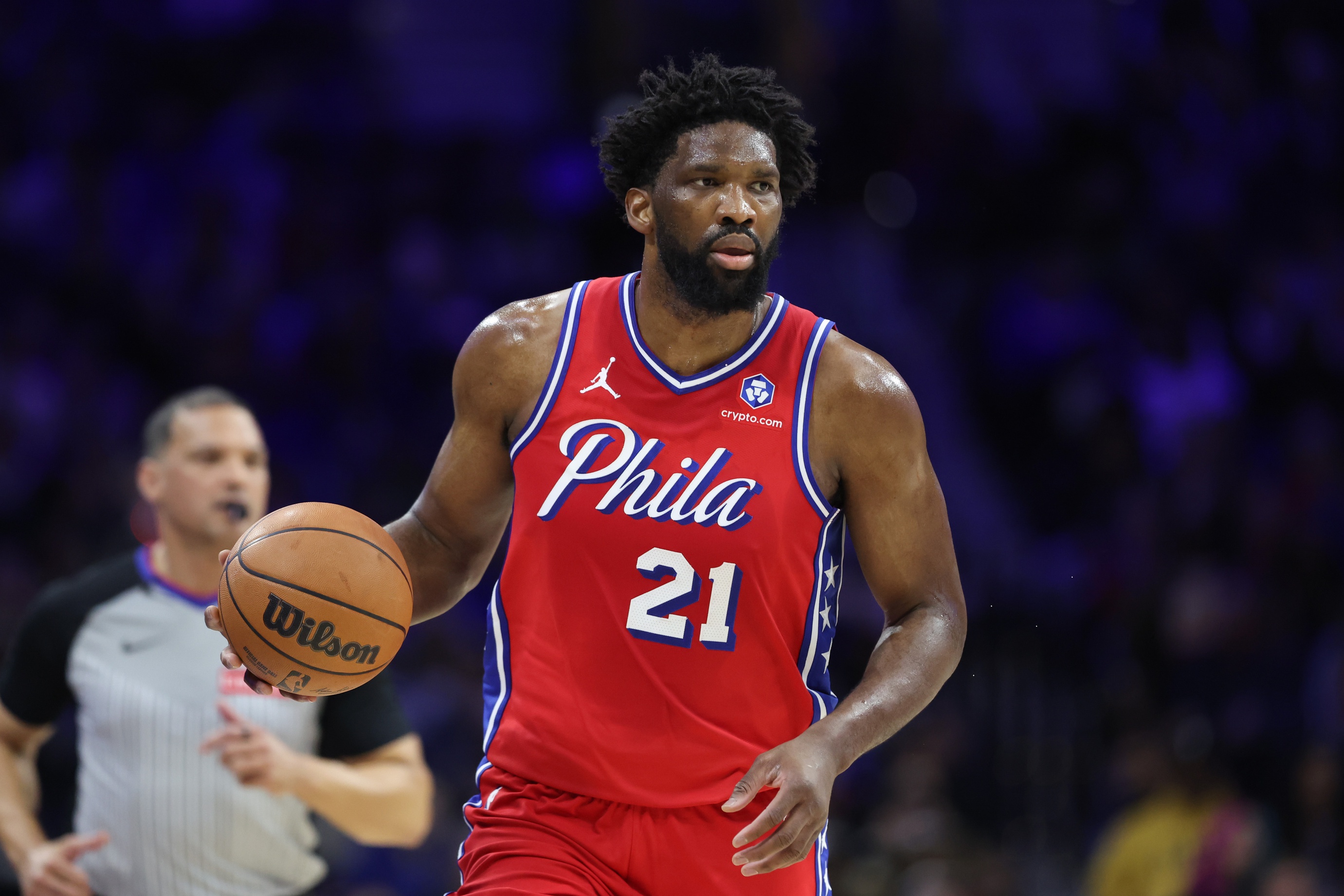
1. Joel Embiid - Philadelphia 76ers

Four years, $243.5 million remaining, $60.8 million AAV (player option final season)

39-of-82. 19-of-82. 24-of-43 (as of this writing).

That’s how many games Embiid has appeared in over the last two-plus seasons for the Sixers. No matter what level Embiid is playing at, that’s not returning nearly enough value on one of the largest contracts in the NBA. And Embiid’s level of play has been pretty uneven the last two years when he has played. Even if we write off last season due to the extensive knee issues (we shouldn’t), Embiid’s play has slipped. He’s shooting just 26.3% from behind the arc this season. He’s grabbing the fewest rebounds per game of his career, and doesn’t move well enough to provide plus rim protection any longer. Philadelphia can manage Embiid enough to get solid production out of him, but they aren’t paying him for solid production.

2. Paul George - Philadelphia 76ers

Three years, $162.4 million remaining, $54.1 million AAV (player option final season)

When George signed with Philadelphia, we talked about how he was an ideal fit between Joel Embiid up front and Tyrese Maxey in the backcourt…if he could stay on the court. A year-plus in, George has missed 60 of 125 games. He’s also been limited in several other games. Unlike Embiid, who still the 76ers can pull solid production out of, George has been, well, fine. He no longer gets to the rim, or even really into the paint very often, because George can’t beat his man off the dribble to get in close any longer. That’s left him shooting a lot of midrange and long-twos, as well as nearly half of his shots from distance. George is still a good ball-mover and ok rebounder, but like with Embiid, the Sixers aren’t paying Goerge to be good or ok or fine.

3. Jakob Poeltl - Toronto Raptors

Five years, $123.1 million, $24.6 million AAV (final season at least $5 million guaranteed)

Did you know Poeltl has never played more than 30 MPG in a season? Did you know that since returning to Toronto, he’s played in 50, 57 and 21 (as of this writing) games? Poeltl is a good player. He’s solid on the boards and at protecting the rim. He’s a better-than-you-think passer. He can finish in the paint. Poeltl was even very fairly paid at $19.5 million this season and next. It’s the three-year extension, which pushes close to $30 million AAV, where things get sideways. And that’s before we factor in that Poeltl is dealing with a persistent back injury. A big man in his 30s with back issues and a long-term deal? That’s a recipe for disaster.

4. Patrick Williams - Chicago Bulls

Four years, $72 million, $18 million AAV (final season player option)

It’s really hard to rank a deal that averages less than $20 million per season on this list at all, never mind being this high on the list. That’s how bad things have gone for Williams and the Bulls on this contract. He no longer starts, and probably never will again (at least not on any regular basis), for Chicago. Williams also can’t stay healthy from year to year. He’s essentially become a three-point specialist forward who offers little else. That’s a marked falloff from the role the Bulls expected Williams to grow into.

5. Dejounte Murray - New Orleans Pelicans

Three years, $94.3 million, $31.4 million AAV (player option final season)

This one is really about injuries and lack of any upside. Murray kind of stagnated after being an All-Star in 2022. He was fine with the Hawks, but never fully fit with Trae Young. His first season with the Pelicans was wrecked by injuries, including a torn Achilles’ which Murray hasn’t made it back from yet. Before that injury, he wasn’t shooting well, and his defense had never been as good as his Spurs days. Coming off arguably the worst possible injury for a guard, Murray has a lot to prove to come off this list. And if he does make it back, then that player option in a couple of years means Murray has control. Just bad all around for the Pelicans.

6. Jerami Grant - Portland Trail Blazers

Three years, $102.6 million, $34.2 million AAV (player option final season)

Grant has been better this year…when he’s been on the court. A persistent case of Achilles’ tendonitis has caused Grant to miss a lot of time this season. But being better still isn’t enough to justify more than $34 million AAV remaining for Grant. He’s not the impactful defender he once was. He’s no longer really good with the ball his hands either. He’s a fine rotation forward, but Portland is paying him to be a lot more than just a rotation guy.

7. Domantas Sabonis - Sacramento Kings

Three years, $136.4 million, $45.5 million AAV

You might notice a theme on this year’s list: overpaid big men. The old NBA adage of “size gets paid” is really starting to be put to the test. Or it should be at least! Sabonis is a good example. He’s productive as a scorer, playmaker and rebounder. But he can’t protect the rim well enough to anchor a good defense. He can’t shoot enough from the outside to play the four full time. And at $45.5 million AAV, you can’t be a tweener that you team needs to work around. Sacramento is open to moving Sabonis, and they may find a trade, but most of the reported offers involve the Kings taking back some questionable money themselves. That tells you all you really need to know about where this contract stands.

8. Anthony Davis - Dallas Mavericks

Three years, $175.4 million, $58.5 million AAV (player option final season)

This one is a combination of a lot of factors for Davis’ place on this list. Davis is still really good when he’s healthy, but those days are getting fewer and further in between. Everyone knows Davis is a center…except for Davis himself. That makes putting together a roster around him tricky. And it’s well known that Davis wants an extension. He may not get another max deal at his age and with his injury history, but Davis isn’t reupping on any kind of serious discount either. All of that together is a bad combo, both now and down the line.

9. Ja Morant - Memphis Grizzlies

Three years, $126.5 million, $42.2 million AAV

We’re starting another theme with Morant: guards with injury and/or production issues. When Morant is right, he’s still an electric player. He’s the closest thing to Allen Iverson as far as a super tough, explosive small guard that we have in today’s NBA. Unfortunately, Morant is rarely ever healthy long enough to show that. His shot has all but disappeared, and as the injuries have mounted, Morant isn’t quite the sky-walking rim threat that he once was. When the Grizzlies recently made it known that Morant was available, the offers were far from plentiful and robust. That gives you a sense of how the veteran point guard and his contract are seen around the NBA.

10. LaMelo Ball - Charlotte Hornets

Four years, $168.7 million, $42.2 million AAV

Ball is basically in the same place as Morant (And, for what it’s worth, Trae Young would have been in a somewhat similar spot too) as being an oft-injured, inconsistent point guard. Ball still makes a ton of flashy plays, but he’s terrible on defense and his shooting remains inconsistent. The Hornets have taken to trying to manage his minutes while bringing him off the bench for some games. Not exactly the return Charlotte wanted less than two years into Ball’s max extension.

11. Jrue Holiday - Portland Trail Blazers

Three years, $104.4 million, $34.8 million AAV (player option final season)

Holiday was terrific for Boston when he earned this extension. He helped lead the Celtics to the 2024 NBA title. Last season, Holiday got hit by injuries, his shooting took a major dip and his defense started to fall off. This season has continued that slide. At age 35, it’s hard to see Holiday getting back to being the kind of player who returns positive value at nearly $35 million AAV.

12. Immanuel Quickley - Toronto Raptors

Four years, $130 million, $32.5 million AAV

When Quickley signed this deal, it looked fair. His contract ranked around the middle of the pack for point guards. Quickley looked like he was improving and would be a solid starter for the Raptors. Then, last season was injury-impacted, and this season Quickley’s efficiency has fallen off. He now looks like a low-end starter, who might be best as a high-end sixth man on a good team. That’s not enough production to justify a deal north of $32 million per season.

13. Myles Turner - Milwaukee Bucks

Four seasons, $108.8 million, $27.2 million AAV, (player option final season)

It’s the rare first-year contract appearing on this list! When Turner signed this deal in July, the biggest question was: Is Myles Turner worth roughly $50 million per year? That’s the cost of Turner’s deal, plus the waived-and-stretched cap hit for Damian Lillard. Now, the question should be turning to: Is Myles Turner worth $27 million per year? Turner has fallen off big-time this season. A whipping 61% of his shots come from behind the arc, which is way above the 41% Turner has been at since he became a regular three-point shooter in 2019-20. Maybe that change is for the best, since Turner is down to 61% shooting at the rim and 37% in and around the paint. In addition, Turner’s rim protection is down as well. Maybe it’s a one-year blip, but these are signs of a falloff for a soon-to-be-30-years-old player the Bucks have a lot invested in.

14. Jarrett Allen - Cleveland Cavaliers

Four years, $110.7 million, $27.7 million AAV

Like Jakob Poeltl, this contract is being pulled down by Allen’s extension. When he was making $20 million a year, Allen was returning surplus value. On his extension, Allen will get paid over $30 million AAV. That jump is too much. Add to it, Allen has had some recurring injury issues, which has likely played a part in causing him to go from leading the league in field goal percentage to being a below-average finisher and rim protector.

15. Jalen Green - Phoenix Suns

Three years, $105.8 million, $35.3 million AAV (player option final season)

This was a weird contract when Green signed it with the Houston Rockets and it looks just as odd over a year later. The immediate downside is that Green has been hurt a lot this year. So, we really have no idea how he really fits in Phoenix. If Green can get healthy and his efficiency improves, this contract will probably be fine. Of course, then he’ll have only one year left because he’ll opt out for a bigger deal. If he keeps being hurt and can’t find some shooting efficiency, then the Suns are stuck with a big contract. There’s little to no upside on this deal and lots of potential downside.

16. Jordan Poole - New Orleans Pelicans

Two years, $65.9 million, $35.3 million AAV

Poole’s contract is the shortest deal on this list. That should give you a sense of how rough it is. When Poole signed this contract with the Warriors, he looked like a good scorer, who hit his shots at a decent clip and had some playmaking upside to develop. A really messy year in Washington was followed by a semi-bounce-back year with the Wizards. This year has been a complete mess. Poole can’t make a shot, the playmaking upside never panned out and he offers nothing defensively. The only bright spot? At least this will be an expiring contract next year.

17. Devin Vassell - San Antonio Spurs

Four years, $105.6 million, $26.4 million AAV

This is where the list tells the story of how hard it is to find truly bad contracts now. Is Vassell’s deal bad? In a vacuum, no. Is it bad for the Spurs? Possibly. San Antonio is loaded with better guards in De’Aaron Fox, Stephon Castle and Dylan Harper. They’ve tried to play Vassell up as a small forward as a result, but that’s been sort of iffy. The Spurs defense improves with Vassell off court, but the offense takes a dip. In theory San Antonio needs Vassell’s shooting, but Julian Champagnie has more than filled that designated shooter role for roughly 1/10th of the cost. That’s why Vassell shows up here, even if his deal on its own isn’t really that bad.

18. Nic Claxton - Brooklyn Nets

Three years, $69.4 million, $23.1 million AAV

Claxton is another example of a deal that isn’t really bad by itself, but doesn’t really fit the team he’s on. That fact that other teams know that makes it hard to get any kind of surplus value for Claxton in a trade either. Claxton has been a good, but never truly great defender. He’s a solid rebounder, but that’s fallen off some over the last couple of seasons. The same is true of Claxton’s finishing around the rim. If those are signs that he’s experienced a drop in athleticism, that’s a problem for a guy who relies on being quicker and a better leaper than other centers.

19. Wendell Carter Jr. - Orlando Magic

Four years, $69.5 million, $17.4 million AAV (team option final season)

This is another big man contract that is about his extension than his current deal. At his current $10.8 million salary, Carter is probably underpaid. On a three-year extension that averages $19.5 million, Carter is overpaid. After years of potential, Carter never became the playmaking stretch five that we all hoped he would. His outside shot remains iffy, and the playmaking hasn’t been there. Carter is also a good defender, but not special on that end. And he’s missed a decent chunk of time due to injuries in recent seasons. Add all of that to the fact that Magic are becoming wildly expensive due to other extensions, and this deal stands out like a sore thumb. At least the final season is a team option for Orlando.

20. Jarred Vanderbilt - Los Angeles Lakers

Three years, $37.3 million, $12.4 million AAV (player option final season)

Normally, a contract is below the Non-Taxpayer MLE amount wouldn’t feature here. However, Vanderbilt just hasn’t lived up to this deal at all. He’s been hurt, never fulfilled the defensive stopper potential the Lakers hoped for and he’s really bad on offense. That makes this a really unnecessary overpay. And given that Los Angeles has really big cap space dreams this summer or next, only makes Vanderbilt’s deal look even worse.


Taylor VincentJanuary 23, 2026

With all of the NWSL teams having kicked off their 2026 preseasons, it’s a great time to look back at the general roster turnover trends of the clubs which have won the NWSL Shield or Championship going back to the league’s inaugural season back in 2013. 

Looking generally at the number of returning players does not account for other factors like returning minutes played, key injuries, general advancement of the league, or things like coaching changes which can have a drastic impact on a teams’ success. 

The early years in the NWSL had much smaller rosters, a shorter season, and much shorter contracts being signed by players which accounts for the 2013 turnover numbers being so low—if you were to look at all of the teams’ turnover from year one, the percentage of returning players is low across the board. 

As the rosters grew in size, the percentage of returning players roughly remained in a similar range—with the exception of 2023’s Shield winners (San Diego Wave), and Championship winners (Gotham FC). 

Almost half of all Shield or Championship winning clubs went on to collect hardware in the subsequent year, while closer to a quarter of teams didn’t even make the playoffs in the following season. 

Kansas City and Gotham’s turnover thus far in the 2025-26 offseason is well within the historical bounds to say that they’d continue to challenge for hardware in the upcoming season. 

Michael GinnittiJanuary 22, 2026

Most Valuable Player

Drake Maye (QB, Patriots)

The 23-year-old is entering Year 3 of his rookie contract, and will become extension-eligible after the upcoming season. His outstanding first two seasons has him valued at $60M right now in our system.

Matthew Stafford (QB, Rams)

The almost 38-year-old has 1 year, $40M remaining on his contract that becomes fully guaranteed on March 15th.

Josh Allen (QB, Bills)

The 29-year-old has 5 years, $272M remaining on his contract, $90M of which is secured right now. Another $18M is set to guarantee on March 15th, while the next 4 years, $214.5M remains practical.

Trevor Lawrence (QB, Jaguars)

The 26-year-old has 5 years, $230M remaining on his contract, $66M of which is secured right now. Another $18M is set to guarantee on March 15th, while the next 3 years, $125M remains practical.

Christian McCaffrey (RB, 49ers)

The 29-year-old has 2 years, $30M remaining on his contract, none of which is currently secured. If he’s on the roster April 1st, a $10.5M option bonus becomes due.

Defensive Player of the Year

Myles Garrett (ED, Browns)

The 30-year-old has 5 years, $178M remaining on his contract, $62M of which is currently secured. Another $11M is set to guarantee on March 13th, while the next 3 years, $98M remains practical.

Will Anderson (ED, Texans)

The 24-year-old has 1 year, $5.5M remaining on his rookie contract, but the Texans are fully expected to exercise his $27M 5th-year option soon. Furthermore, Anderson has put himself in position to lock in a top of the market extension in the coming weeks, currently projecting toward a 3 year, $105M deal in our system.

Micah Parsons (ED, Packers)

The 26-year-old has 4 years, $165M remaining on his contract extension, $79M of which is currently secured. This is a 3 year, $120M contract for practical purposes.

Nik Bonitto (ED, Broncos)

The 26-year-old has 4 years, $88M remaining on his contract, $15M of which is currently secured. Another $24M becomes fully guaranteed on March 15th, making the next 3 years, $61.5M practical.

Aidan Hutchinson (ED, Lions)

The 25-year-old has 5 years, $184.8M remaining on his contract, $40M of which is currently secured. Another $19.8M becomes fully guaranteed on March 13th, while the next 4 years, $140M are safe for practical purposes.

Offensive Player of the Year

Puka Nacua (WR, Rams)

The 25-year-old has 1 year remaining on his rookie deal, with a salary projected to escalate to around $5.8M thanks to a proven performance bonus. He’s also extension-eligible for the first time now, carrying a $38.5M valuation. But it’s largely expected that Nacua surpasses Ja’Marr Chase’s $40.25M AAV.

Jaxon Smith-Njigba (WR, Seahawks)

Like Nacua, JSN is now extension-eligible for the first time this winter. However, as a 1st-round pick, Seattle also holds a 5th-year option for 2027 that is currently projected to cost around $28M (the price of the franchise tag). With that said, it’s largely expected that the Seahawks tack on a top of the market extension for their star WR, who currently carries a $38M valuation in our system (but should break $40M).

Bijan Robinson (RB, Falcons)

The nearly 24-year-old enters 2026 with $3.7M fully guaranteed, and a $14M+ 5th-year option salary soon to be in place for 2027. Now extension-eligible, it’s largely expected that the Falcons will take steps to lock Robinson into a multi-year commitment. He projects toward a 3 year, $57M ($19M APY) deal in our system currently.

Drake Maye (QB, Patriots)

The 23-year-old is entering Year 3 of his rookie contract, and will become extension-eligible after the upcoming season. His outstanding first two seasons has him valued at $60M right now in our system.

Matthew Stafford (QB, Rams)

The almost 38-year-old has 1 year, $40M remaining on his contract that becomes fully guaranteed on March 15th.

Comeback Player of the Year

Stefon Diggs (WR, Patriots)

The 32-year-old has 2 years, $45M remaining, including $1.7M fully secure. Another $6M is set to become fully guaranteed on March 13th.

Dak Prescott (QB, Cowboys)

The 32-year-old has 3 years, $140M remaining on his contract, $40M of which is fully guaranteed right now. Another $45M (his 2027 salary) is set to lock in on March 15th.

Trevor Lawrence (QB, Jaguars)

The 26-year-old has 5 years, $230M remaining on his contract, $66M of which is secured right now. Another $18M is set to guarantee on March 15th, while the next 3 years, $125M remains practical.

Christian McCaffrey (RB, 49ers)

The 29-year-old has 2 years, $30M remaining on his contract, none of which is currently secured. If he’s on the roster April 1st, a $10.5M option bonus becomes due.

Aidan Hutchinson (ED, Lions)

The 25-year-old has 5 years, $184.8M remaining on his contract, $40M of which is currently secured. Another $19.8M becomes fully guaranteed on March 13th, while the next 4 years, $140M are safe for practical purposes.

Michael GinnittiJanuary 21, 2026
© USA Today Sports

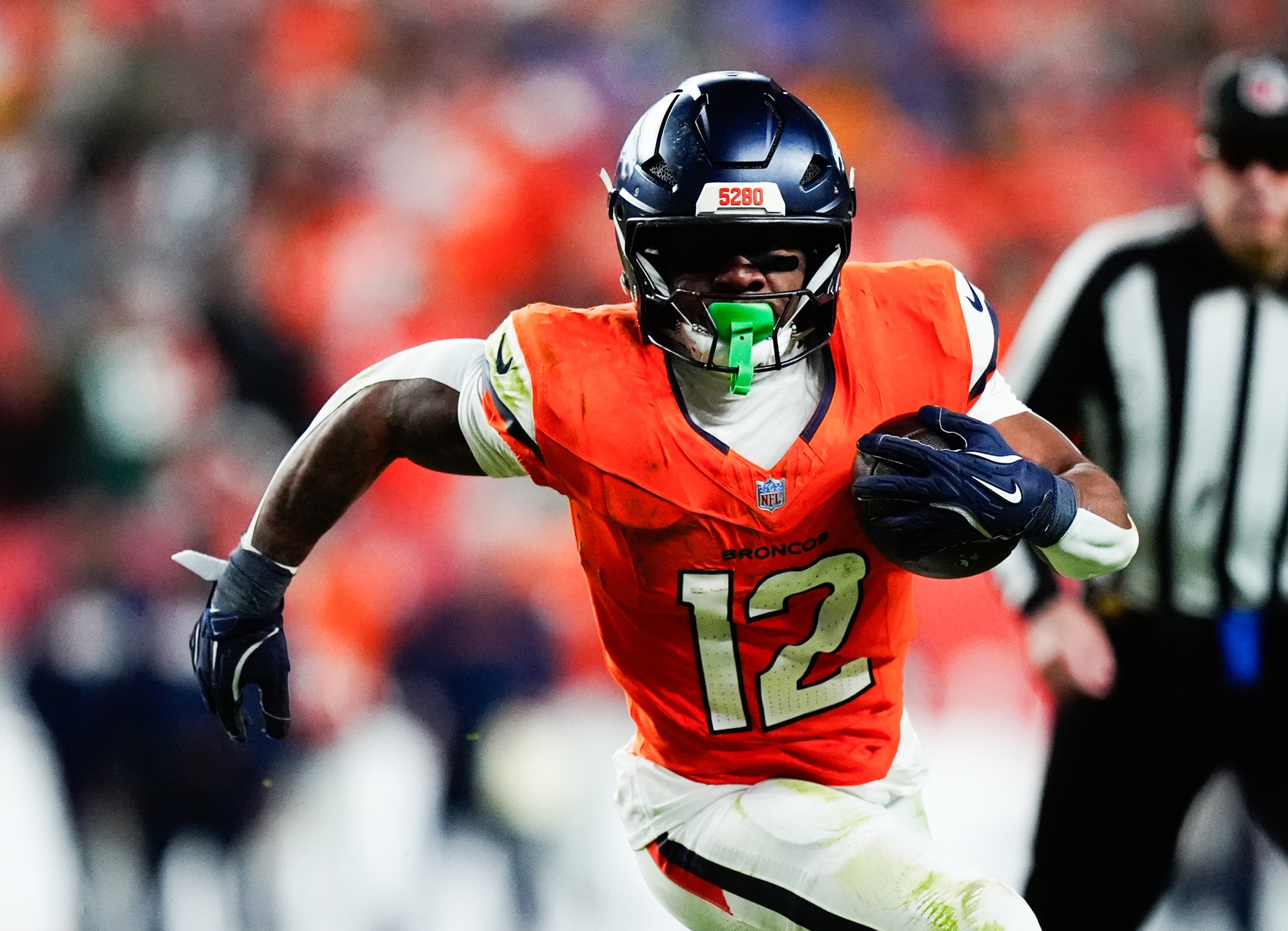
The Denver Broncos finished 2025 14-3, capturing an AFC West title, and the #1 overall seed in the postseason.

They enter 2026 with around $35M of cap space, against a projected $304M league threshold. This includes 42 contracts currently on the books, headlined by RT Mike McGlinchey ($23.7M), and G Quinn Meinerz ($21.7M).

The Broncos currently boast 9 draft picks, including two 4th-rounders (Saints), and two 7th-round compensatory picks. Broncos Future Draft Picks

Early Offseason Questions

  • A large bulk of Denver’s off-ball linebacker position is headed for free agency. Will the Broncos look to retain the likes of Alex Singleton, Justin Strnad, etc.. or make this an offseason upgrade priority?
  • With the possibility of a Bo Nix extension looming in 2027, how aggressive will this Denver front office be to add/extend/front-load as much depth and talent onto the roster as possible with the QB1 contract providing maximum value?

Notable Free Agents

(Spotrac Valuation APY)

ED John Franklin-Myers ($7.8M)
LB Alex Singleton ($4.6M)
LB Justin Strnad ($3.8M)
TE Adam Trautman ($2.8M)
RB JK Dobbins ($2.6M)

VIEW ALL FREE AGENTS

Extension Candidates

G Ben Powers

Powers enters a contract year in 2026, set to earn $13M against an $18.4M cap hit. A bicep injury cut the 29-year-old’s 2025 campaign in half, but he’ll return as the expected starting left guard heading into the offseason. He projects toward a 3 year, $42M extension in our system.

WR Marvin Mims

One of the more dangerous weapons in the league, Mims (still just 23 years old), produced out of the backfield, in the passing game, and as a returner - where he’s already secured 2 All-Pro nods. He enters a contract year in 2026, set to earn around $5.8M (including a projected proven performance escalator), and now projects toward a 3 year, $19.5M extension in our system.

Bubble Candidates

TE Evan Engram

Trade Candidate

With $5M of 2026 salary fully guaranteed, the Broncos probably won’t outright release Engram this offseason, but it stands to reason they’ll try to offload this contract (1 year, $11.5M) in some capacity. The 31-year-old caught 50 passes, including 1 TD, in 2025.

OL Matt Peart

Release Candidate

A significant knee injury ended Peart’s 2025 in October, setting up the Broncos to move on from his unprotected $3.5M salary next season.

CB Riley Moss

Trade Candidate

Moss started all 17 games in 2025, and has now put together back-to-back strong seasons, especially as it pertains to stopping the running game. However it stands to reason that 2025 1st-round pick Jahdae Barron will be ready to step into his role going forward, putting Moss - who is entering a contract year in 2026 - on the outside looking in.

Potential Cap Conversions

Converting RT Mike McGlinchey’s 2026 salary into signing bonus (plus void years) can open up over $13M of cap space.

Most of G Quinn Meinerz’s 2026 salary is already protected. Processing a simple salary conversion (plus void years) can free up $13M of space.

CB Patrick Surtain II’s 2026 compensation is already secure. Converting his base salary to bonus can free up $5.1M of cap.

DL D.J. Jones’ 2026 compensation is already secure. Converting it to bonus (plus void years) opens up $9.4M.

ED Jonathon Cooper’s 2026 salary is fully guaranteed. Converting it to bonus (plus void years) frees up $8.7M of cap.

S Talanoa Hufanga’s 2026 salary is already secure. Converting it to bonus can save up to $8.8M of cap.

RELATED LINKS
2026 Broncos Salary Cap Table
Broncos 2026 Free Agents
Spotrac’s Offseason Guides

Caleb PongratzJanuary 21, 2026
© USA Today Sports

Homegrown Players are the top youth talents that have been developed in a club’s own academy, living in its territory & directly signed to the first team, bypassing the MLS SuperDraft, allowing clubs to build from within and retain exclusive rights to their local players through the Homegrown Player Rule.

To be placed on the Homegrown player list, players must have resided in a club’s home territory and had participated in the club’s youth development system for at least one year, as well as meeting other unspecified league requirements.

As of 2024, the homegrown territories for MLS clubs was defined as a 75-mile radius around the MLS team’s home stadium, with some exceptions when another team is nearby.

Here at Spotrac, we’re breaking down the roster rules & regulations, current list, & all-time list of Homegrown Players in Major League Soccer.

Homegrown Player Roster Rules & Regulations

Players signed through the Homegrown Player mechanism will receive the designation of “Homegrown Player” on a club’s roster.

There is no limit to the number of Homegrown Players a club may sign in any given year.

Homegrown Players may occupy a slot on the Senior or Supplemental Roster.

Homegrown Player Signings

A club may sign a player to a contract without subjecting him to the MLS SuperDraft if the player has been a member of that club’s youth academy for at least one year and has met the necessary requirements. Players joining MLS through this mechanism are known as Homegrown Players.

There is no limit on the number of Homegrown Players a club may sign in any given year.

Affiliate Priority Players

In addition to Homegrown Players and SuperDraft Priority Players, clubs may have priority for up to seven players from their respective affiliates (MLS NEXT Pro). Such players will not count towards the seven Discovery List slots. In order to retain priority on any additional affiliate players, such players must be added to an MLS club’s Discovery List.

Homegrown International Rule

Any player who, at the time of their initial signing with MLS, meets the requirements to qualify as a Homegrown Player as a member of an MLS club academy, either in the U.S. or Canada, or has met similar requirements as a member of a Canadian Approved Youth Club, will count as a domestic player (i.e., he will not occupy an international roster slot) on both U.S. and Canadian club rosters provided that:

The player became a member of an MLS club academy, either in the U.S. or Canada, or a Canadian Approved Youth Club no later than the year in which he turned 15 years old; and

The player signs his first professional contract with MLS or an MLS club's affiliate (MLS NEXT Pro).

Off-Roster Homegrown Players

Clubs may also choose to designate a Homegrown Player as an Off-Roster Homegrown Player.

Such players must be 21 years old or younger during a calendar year to be eligible as an Off-Roster Homegrown player.

Once a club moves an Off-Roster Homegrown player to the Senior or Supplemental roster, the player may not revert to an Off-Roster Homegrown position.

Off-Roster Homegrown Players are ineligible for MLS League Season competition except as short-term call-ups. Off-Roster Homegrown Players may appear as short-term call ups in up to six MLS League Season matches per Season.

Off-Roster Homegrown Players may appear in an unlimited number of first-team appearances in other competitions (Concacaf Champions Cup, Leagues Cup, Lamar Hunt U.S. Open Cup, Canadian Championship, friendlies, etc.).

Subject to the age limitations above, players may continue to be Off-Roster Homegrowns, so long as they remain on their initial MLS contract.

Off-Roster Homegrown Players will not count against a club’s Salary Budget.

Homegrown Player Roster Slot Salary Implications

Slots 21-24

Slots 21-24 may be filled with (i) Senior Minimum Salary Players ($104,000), which may include Homegrown Players, (ii) Generation adidas Players, (iii) any specifically designated players eligible for the MLS SuperDraft; or (iv) Homegrown Players earning more than the Senior Minimum Salary subject to the Homegrown Player Subsidy.

All players in slots 21-24 must be paid a base salary that is at least the Senior Minimum Salary ($104,000).

Slots 25-30

Slots 25-30 may be filled with (i) players earning the Reserve Minimum Salary ($80,622), which may include Homegrown Players, (ii) Homegrown Players earning more than the Reserve Minimum Salary subject to the Homegrown Player Subsidy, or (iii) Generation adidas Players (earning the Reserve Minimum Salary).

Reserve Minimum Salary Players must be 24 years or younger during the League Year (age of player is determined by year - not date - of birth).

These slots may not be filled with Senior Minimum Salary Players (unless they are Homegrown Players subject to the Homegrown Player Subsidy).

All players in slots 25-30 must be paid a base salary that is at least the Reserve Minimum Salary ($80,622).

Homegrown Player Subsidy

Homegrown Player(s) in Supplemental Roster slots 21-30 may earn in aggregate each year up to $125,000 above the Reserve Minimum Salary (if occupying slots 25-31) or Senior Minimum Salary (if occupying slots 21-24).

Clubs may use up to $200,000 of their currently available Targeted Allocation Money or General Allocation Money to sign new Homegrown Players to their first MLS contract, subject to League review and approval. Targeted Allocation Money cannot be used on a Homegrown Player previously signed to MLS.

Trades

Players, cash, General Allocation Money, international roster slots, SuperDraft Priority players, Discovery Priority, and Homegrown Player priority in addition to selection position in MLS SuperDraft, Re-Entry Process, and Waivers may all be exchanged in trades approved by the League, provided all of the necessary rules regarding roster and Salary Budget compliance are met and the trade is completed during a valid trading period.

Active First Team Homegrown Players & their 2025 guaranteed salaries

Quick Caveat: All Salaries are based on the information provided on the MLSPA Salary Guide (as of October 1, 2025). 

Players that are new to MLS and have recently been signed to Homegrown deals will be listed but will have their salary as Salary N/A.

Historically, there have been 632 different Homegrown Players in Major League Soccer history.

As of January 20, 2026, there are 183 active Homegrown Players playing for Major League Soccer clubs:

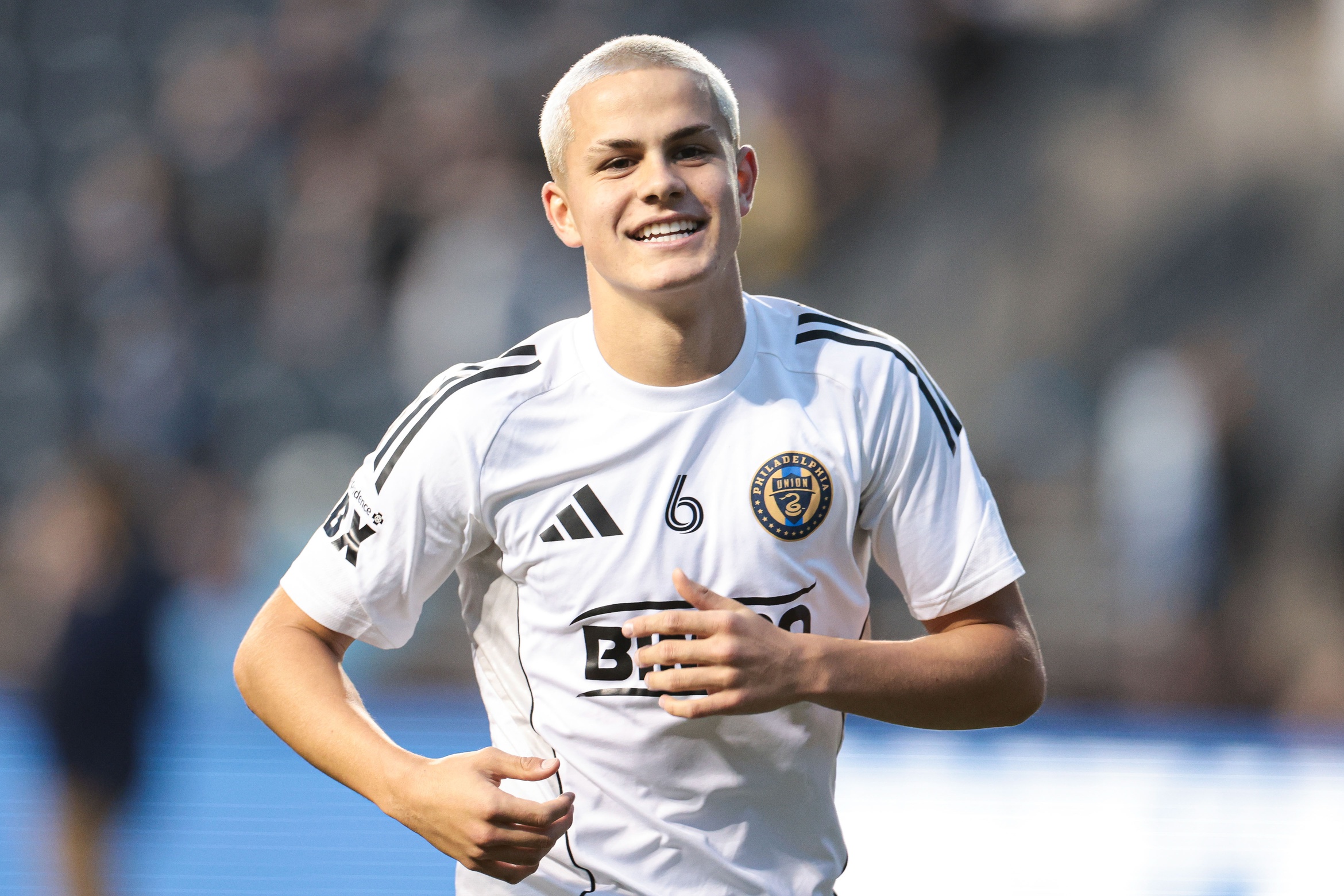
  1. Cavan Sullivan - $364,000

  2. Michael Halliday - $277,500

  3. Owen Wolff - $221,600

  4. Julian Hall - $207,241

  5. Serge Ngoma Jr. - $193,700

  6. Noah Allen - $184,653

  7. Luis Rivera - $171,100

  8. Erik Duenas - $170,625

  9. Kristian Fletcher - $169,509

  10. Niko Tsakiris - $169,167

  11. Mauricio Cuevas - $168,500

  12. Thomas Williams - $163,875

  13. Jeremy Rafanello - $161,125

  14. Tyler Wolff - $160,000

  15. Jude Wellings - $160,000

  16. Cruz Medina - $158,394

  17. Tarik Scott - $155,942

  18. Ian Fray - $150,000

  19. Nathan Ordaz - $149,000

  20. Hugo Mbongue - $146,427

  21. Peter Stroud - $145,003

  22. Nolan Norris - $143,642

  23. Brooklyn Raines - $143,063

  24. Oscar Verhoeven - $138,395

  25. Hunter Sulte - $138,042

  26. Máximo Carrizo - $137,523

  27. David Ruiz - $135,887

  28. Kobe Franklin - $135,802

  29. Obed Vargas - $134,452

  30. Brian Romero - $135,833

  31. Curtis Ofori - $133,750

  32. Brandon Cambridge - $133,026

  33. Jacen Russell-Rowe - $130,789

  34. Adri Mehmeti - $126,202

  35. Deandre Kerr - $125,319

  36. Kosi Thompson - $125,260

  37. Damian Las - $125,000

  38. Nimfasha Berchimas - $124,934

  39. Roald Mitchell - $124,408

  40. Javier Otero - $123,750

  41. Gerardo Valenzuela - $121,542

  42. Devin Padelford - $121,000

  43. David Vazquez - $119,880

  44. Jack Panayotou - $119,500

  45. Tahir Reid-Brown - $118,508

  46. Adam Pearlman - $117,300

  47. Santiago Suarez - $117,222

  48. Jude Terry - $117,020

  49. Taha Habroune - $116,500

  50. Jonny Shore - $116,500

  51. Michael Collodi - $116,425

  52. Stuart Hawkins - $116,021

  53. Micah Burton - $115,000

  54. Darren Yapi - $114,833

  55. Sergio Oregel - $113,400

  56. Robert Turdean - $113,549

  57. Santiago Morales - $112,019

  58. Paul Walters - $111,967

  59. Max Anchor - $111,442

  60. Andrew Baiera - $109,936

  61. Cody Baker - $109,740

  62. Adem Sipic - $109,448

  63. Noah Cobb - $109,000

  64. Caden Glover - $109,000

  65. Ajani Fortune - $109,000

  66. Adam Beaudry - $106,500

  67. Jackson Travis - $106,500

  68. Kieran Sargeant - $106,193

  69. Peyton Miller - $106,000

  70. Israel Boatwright - $106,000

  71. Jack Neeley - $106,000

  72. Sal Olivas - $104,720

  73. Jackson Hopkins - $104,286

  74. Miguel Perez - $104,000

  75. Tyson Pearce - $104,000

  76. Luca Moisa - $104,000

  77. Chance Cowell - $104,000

  78. Tyler Hall - $104,000

  79. Jacob Castro - $104,000

  80. Garrison Tubbs - $104,000

  81. Luke Brennan - $104,000

  82. Justin Reynolds - $104,000

  83. Gavin Turner - $102,856

  84. Cole Mrowka - $100,630

  85. Stanislav Lapkes - $99,712

  86. Mykhi Joyner - $97,902

  87. Aiden Jarvis - $97,707

  88. Tanner Rosborough - $97,640

  89. Aidan Stokes - $97,390

  90. Adisa De Rosario - $97,325

  91. Neil Pierre - $97,020

  92. Omar Marquez - $96,197

  93. Liam Mackenzie - $96,047

  94. Malcolm Fry - $95,560

  95. Seymour Reid - $95,437

  96. Stefan Chirila - $95,402

  97. Rayan Elloumi - $95,268

  98. Daniel Baran - $94,838

  99. Anisse Saidi - $94,512

  100. Markus Cimmermancic - $94,478

  101. CJ Olney - $94,287

  102. Jacob Arroyave - $93,620

  103. Zavier Gozo - $93,345

  104. Malachi Molina- $93,338

  105. Edwyn Mendoza - $93,062

  106. Lazar Stefanovic - $92,528

  107. Zakaria Taifi - $92,520

  108. Frankie Westfield - $92,127

  109. Sam Williams - $91,951

  110. Colin Guske - $91,427

  111. Darius Randell - $91,016

  112. Snyder Brunell - $90,648

  113. Andrew Rick - $90,537

  114. Chris Applewhite - $90,067

  115. Sebastian Rodriguez - $89,272

  116. Dylan Borso- $88,622

  117. Joshua Torquato - $88,622

  118. Gustavo Caraballo - $86,997

  119. Aiden Hezarkhani - $86,980

  120. Eric Klein - $86,899

  121. Tommy Silva - $86,604

  122. Owen Graham-Roache - $86,512

  123. Owen Anderson - $86,512

  124. Aleksandr Guboglo - $86,311

  125. Olger Escobar - $86,018

  126. Nicholas Pariano- $85,818

  127. Ian James - $85,220

  128. Tristan Brown - $84,986

  129. Zidane Yanez - $84,789

  130. Isaiah Jones - $84,622

  131. Juan Gio Villa - $83,955

  132. Kadren Spivey - $83,622

  133. Jacob Bartlett - $83,622

  134. Christopher Cupps - $83,408

  135. Jack Kortkamp - $82,622

  136. Eddy Davis - $82,622

  137. Wilson Eisner - $80,622

  138. Leo Burney - $80,622

  139. Jeevan Badwal - $80,622

  140. Dominik Chong Qui - $80,622

  141. Matthew Edwards - $80,622

  142. Ashton Gordon - $80,622

  143. William Reilly - $80,622

  144. Zack Farnsworth - $80,622

  145. Adyn Torres - $80,622

  146. Cooper Sanchez - $80,622

  147. Sam Bassett - $80,622

  148. Diego Pepi - $80,622

  149. Alejandro Urzua - $80,622

  150. Anthony Ramirez - $80,622

  151. Luca Bombino - $80,622

  152. Harbor Miller - $80,622

  153. Ruben Ramos Jr. - $80,622

  154. Adrian Wibowo - $80,622

  155. Alessandro Biello - $80,622

  156. Damario McIntosh - $80,622

  157. Prince Amponsah - $80,622

  158. Alex Rando - $80,622

  159. Diego Garcia - Salary N/A

  160. Cristiano Oliveira - Salary N/A

  161. Reese Miller - Salary N/A

  162. Santiago Pita - Salary N/A

  163. Kaiden Moore - Salary N/A

  164. Ervom Torres - Salary N/A

  165. Ademar Chavez - Salary N/A

  166. Quinton Elliot - Salary N/A

  167. Owen Presthus - Salary N/A

  168. Chase Adams - Salary N/A

  169. Caleb Swamm - Salary N/A

  170. Slade Starmes - Salary N/A

  171. Kaka Scabin - Salary N/A

  172. Jaidyn Contreras - Salary N/A

  173. Oscar Avilez - Salary N/A

  174. Logan Erb - Salary N/A

  175. Jamir Johnson - Salary N/A

  176. Sawyer Jura - Salary N/A

  177. Antonio Riquelme - Salary N/A

  178. Griffin Dillon - Salary N/A

  179. Diego Rocio - Salary N/A

  180. Sebastian Gomez - Salary N/A

  181. Stefan Kapor - Salary N/A

  182. Mihail Gherasimencov - Salary N/A

  183. Daniel Pinter - Salary N/A 

Homegrown Player History by Club

Quick Caveat: The below list indicates players who have had their contract assigned as a Homegrown Player (HGP) contract during their time in MLS. 

Former MLS Sides Miami Fusion & Tampa Bay Mutiny were dissolved prior to the introduction of the U22 Initiative, hence their non-involvement in this article.

Players in bold are currently signed to a HGP contract by their club.

Atlanta United FC: 24

  • Andrew Carleton
  • Chris Goslin
  • Lagos Kunga
  • George Bello
  • Patrick Okonkwo
  • George Campbell
  • Jackson Conway
  • Tyler Wolff
  • Efrain Morales
  • Machop Chol
  • Bryce Washington
  • Justin Garces
  • Caleb Wiley
  • Noah Cobb
  • Luke Brennan
  • Adyn Torres
  • Matthew Edwards
  • William Reilly
  • Cooper Sanchez
  • Dominik Chong Qui
  • Ajani Fortune
  • Ashton Gordon
  • Santiago Pita
  • Kaiden Moore

Austin FC: 4

  • Micah Burton
  • Ervin Torres
  • Owen Wolff
  • Damian Las

Charlotte FC: 5

  • Chris Hegardt
  • Brian Romero
  • Nimfasha Berchimas
  • Jack Neeley
  • Brandon Cambridge

Chicago Fire FC: 28

  • Victor Pineda
  • Kellen Gulley
  • Chris Ritter
  • Harry Shipp
  • Patrick Doody
  • Collin Fernandez
  • Joey Calistri
  • Drew Conner
  • Djordje Mihailovic
  • Grant Lillard
  • Jeremiah Gutjahr
  • Andre Reynolds II
  • Gabriel Slonina
  • Nicholas Slonina
  • Chris Brady
  • Javier Casas Jr.
  • Brian Gutiérrez
  • Alex Monis
  • Mauricio Pineda
  • Allan Rodriguez
  • Victor Bezerra
  • Sergio Oregel
  • Missael Rodriguez
  • Justin Reynolds
  • Dylan Borso
  • Robert Turdean
  • Christopher Cupps
  • Sam Williams

Chivas USA: 7

  • Jorge Villafaña 
  • Gerson Mayen
  • César Zamora
  • Bryan de la Fuente
  • Chris Cortez
  • Mark Delgado
  • Caleb Calvert

FC Cincinnati: 10

  • Zico Bailey
  • Beckham Sunderland
  • Arquimides Ordonez
  • Harrison Robledo
  • Stiven Jimenez
  • Malik Pinto
  • Paul Walters
  • Gerardo Valenzuela
  • Stefan Chirila
  • Ademar Chávez

Colorado Rapids: 20

  • Davy Armstrong
  • Josh Janniere
  • Dillon Serna
  • Shane O’Neill
  • Kortne Ford
  • Cole Bassett
  • Sam Vines
  • Sebastian Anderson
  • Matt Hundley
  • Abraham Rodriguez
  • Michael Edwards
  • Ricardo Perez
  • Sam Raben
  • Will Vint
  • Darren Yapi
  • Oliver Larraz
  • Dantouma Toure
  • Jackson Travis
  • Adam Beaudry
  • Sam Bassett

Columbus Crew: 27

  • Aaron Horton
  • Matt Lampson
  • Ben Speas
  • Chad Barson
  • Kyle Hyland
  • Wil Trapp
  • Ross Friedman
  • Matt Walker
  • Matt Wiet
  • Ben Swanson
  • Alex Crognale
  • Aboubacar Keita
  • Sebastian Berhalter
  • Aidan Morris
  • Isaiah Parente
  • Jake Morris
  • Sean Zawadzki
  • Will Sands
  • Jacen Russell-Rowe
  • Keegan Hughes
  • Taha Habroune
  • Cole Mrowka
  • Stanislav Lapkes
  • Tristan Brown
  • Quinton Elliot
  • Owen Presthus
  • Chase Adams

FC Dallas: 49

  • Bryan Leyva
  • Ruben Luna
  • Moises Hernandez
  • Victor Ulloa
  • Jonathan Top
  • Richard Sanchez
  • Kellyn Acosta
  • Bradlee Baladez
  • Coy Craft
  • Danny Garcia
  • Jesse Gonzalez
  • London Woodberry
  • Alejandro Zendejas
  • Aaron Guillen
  • Paxton Pomykal
  • Reggie Cannon
  • Jesus Ferreira
  • Bryan Reynolds
  • Jordan Cano
  • Kris Reaves
  • Thomas Roberts
  • Chris Richards
  • Brandon Servania
  • Edwin Cerrillo
  • Ricardo Pepi
  • Dante Sealy
  • Carlos Avilez
  • Justin Che
  • Eddie Munjoma
  • Beni Redzic
  • Tanner Tessmann
  • Kalil ElMedkhar
  • Collin Smith
  • Antonio Carrera
  • Tarik Scott
  • Nolan Norris
  • Alejandro Urzua
  • Malik Henry-Scott
  • Michael Collodi
  • Malachi Molina
  • Diego Garcia
  • Anthony Ramirez
  • Daniel Baran
  • Diego Pepi
  • Joshua Torquato
  • Jaidyn Contreras
  • Kaka Scabin
  • Slade Starnes
  • Caleb Swann

D.C. United: 23

  • Bill Hamid
  • Conor Shanosky
  • Andy Najar
  • Ethan White
  • Michael Seaton
  • Jalen Robinson
  • Collin Martin
  • Chris Durkin
  • Ian Harkes
  • Antonio Bustamante
  • Moses Nyeman
  • Donovan Pines
  • Griffin Yow
  • Kevin Paredes
  • Jeremy Garay
  • Jacob Greene
  • Ted Ku-DiPietro
  • Jackson Hopkins
  • Kristian Fletcher
  • Matai Akinmboni
  • Gavin Turner
  • Garrison Tubbs
  • Oscar Avilez

Houston Dynamo FC: 21

  • Tyler Deric
  • Francisco Navas
  • Alex Dixon
  • Josue Soto
  • Bryan Salazar
  • Memo Rodriguez
  • Bradley Bourgeois
  • Christian Lucatero
  • Eric McCue
  • Marcelo Palomino
  • Juan Castilla
  • Daniel Rios
  • Brooklyn Raines
  • Xavier Valdez
  • Mujeeb Murana
  • Kieran Sargeant
  • Sebastian Rodriguez
  • Erik Duenas
  • Michael Halliday
  • Logan Erb
  • Reese Miller


Sporting Kansas City: 24

  • Jon Kempin
  • Kevin Ellis
  • Erik Palmer-Brown
  • Daniel Salloi
  • Jaylin Lindsey
  • Gianluca Busio
  • Wan Kuzain
  • Matt Lewis
  • Zach Wright
  • Cameron Duke
  • Tyler Freeman
  • Wilson Harris
  • Felipe Hernandez
  • John Pulskamp
  • Grayson Barber
  • Ozzie Cisneros
  • Jake Davis
  • Kayden Pierre
  • Kaveh Rad
  • Brooks Thompson
  • Ian James
  • Jack Kortkamp
  • Jacob Bartlett
  • Cielo Tschantret

Los Angeles Galaxy: 27

  • Tristan Bowen
  • Jack McBean
  • Jose Villarreal
  • Oscar Sorto
  • Gyasi Zardes
  • Raul Mendiola
  • Bradford Jameison IV
  • Ariel Lassiter
  • Justin Dhillon
  • Nathan Smith
  • Jaime Villarreal
  • Efrain Alvarez
  • Hugo Arrellano
  • Ethan Zubak
  • Cameron Dunbar
  • Eric Lopez
  • Jonathan Perez
  • Marcus Ferkranus
  • Jalen Neal
  • Adam Saldana
  • Ruben Ramos Jr.
  • Harbor Miller
  • Mauricio Cuevas
  • Owen Pratt
  • Riley Dalgado
  • Vicente Garcia
  • Pepe Magana

Los Angeles FC: 14

  • Shaft Brewer Jr.
  • Erik Duenas
  • Bryce Duke
  • Tony Leone
  • Christian Torres
  • Tomas Romero
  • Nathan Ordaz
  • Bajung Darboe
  • Diego Rosales
  • Luca Bombino
  • Adrian Wibowo
  • Matt Evans
  • Jude Terry
  • Cabral Carter

Inter Miami CF: 12

  • Drake Callender
  • Edison Aconzoa
  • Ian Fray
  • Felipe Valencia
  • Noah Allen
  • Benjamin Cremaschi
  • Shanyder Borgelin
  • David Ruiz
  • Santiago Morales
  • Tyler Hall
  • Israel Boatwright
  • Daniel Pinter

Minnesota United FC: 6

  • Fred Emmings
  • Patrick Weah
  • Aziel Jackson
  • Devin Padelford
  • Darius Randell
  • Kayne Rizvanovich

CF Montréal: 29

  • Karl Ouimette
  • Maxime Crepeau
  • Jeremy Gagnon-Lapare
  • Wandrille Lefevre
  • Zakaria Messoudi
  • Maxim Tissot
  • Louis Beland-Goyette
  • Anthony Jackson-Hamel
  • David Choiniere
  • Ballou Tabla
  • Jason Beaulie
  • Mathieu Choiniere
  • Thomas Meilleur-Giguere
  • James Pantemis
  • Clement Bayiha
  • Karifa Yao
  • Tomas Giraldo
  • Keesean Ferdinand
  • Jonathan Sirois
  • Jean-Aniel Assi
  • Sean Rea
  • Nathan Saliba
  • Rida Zouhir
  • Alessandro Biello
  • Owen Graham-Roache
  • Aleksandr Guboglo
  • Olger Escobar
  • Felix Samson
  • Josh-Duc Zteziryayo

Nashville SC: 5

  • Nick Hinds
  • Ben Martino
  • Adem Sipic
  • Isaiah Jones
  • Chris Applewhite

New England Revolution: 16

  • Diego Fagúndez
  • Scott Caldwell
  • Zachary Herivaux
  • Isaac Angking
  • Nicolas Firmino
  • Justin Rennicks
  • Damian Rivera
  • Noel Buck
  • Esmir Bajraktarević
  • Jack Panayotou
  • Santiago Suarez
  • Peyton Miller
  • Malcolm Fry
  • Damario McIntosh
  • Eric Klein
  • Cristiano Oliveira

New York City FC: 21

  • James Sands
  • Joe Scally
  • Justin Haak
  • Tayvon Gray
  • Andres Jasson 
  • Chris Gloster
  • Christian McFarlane
  • Nico Benalcazar
  • Jonathan Jimenez
  • Samuel Owusu
  • Maximo Carrizo
  • Jonny Shore
  • Andrew Baiera
  • Zidane Yanez
  • Alex Rando
  • Prince Amponsah
  • Jacob Arroyave
  • Seymour Reid
  • Cooper Flax
  • Kamran Acito
  • Peter Molinari

Red Bull New York: 39

  • Giorgi Chirgadze
  • Juan Agudelo
  • Sacir Hot
  • Matt Kassel
  • Connor Lade
  • Santiago Castano
  • Matt Miazga
  • Amando Moreno
  • Sean Davis
  • Tyler Adams
  • Brandon Allen
  • Mael Corboz
  • Derrick Etienne Jr.
  • Alex Muyl
  • Scott Thomsen
  • Chris Thorsheim
  • Arun Basuljevic
  • Evan Louro
  • Ben Mines
  • Kevin Politz
  • Omir Fernandez
  • Jean-Christophe Koffi
  • Caden Clark
  • John Tolkin
  • Bento Estrella
  • Daniel Edelman
  • Zach Ryan
  • Serge Ngoma Jr.
  • Curtis Ofori
  • Jayden Reid
  • Peter Stroud
  • Julian Hall
  • Davi Alexandre
  • Aidan Stokes
  • Roald Mitchell
  • Adri Mehmeti
  • Tanner Rosborough
  • Aiden Jarvis
  • Tobias Szewczyk

Orlando City SC: 19

  • Tommy Redding
  • Harrison Heath
  • Tyler Turner
  • Mason Stajduhar
  • Cameron Lindley
  • Benji Michel
  • Michael Halliday
  • David Loera
  • Raul Aguilera
  • Jordan Bender
  • Wilfredo Rivera
  • Thomas Williams
  • Alex Freeman
  • Favian Loyola
  • Javier Otero
  • Tahir Reid-Brown
  • Colin Guske
  • Gustavo Caraballo
  • Zakaria Taifi

Philadelphia Union: 31

  • Zack Pfeffer
  • Cristhian Hernandez
  • Jimmy McLaughlin
  • Derrick Jones
  • Auston Trusty
  • Adam Najem
  • Anthony Fontana
  • Mark McKenzie
  • Matthew Real
  • Brenden Aaronson
  • Matt Freese
  • Jack de Vries
  • Cole Turner
  • Paxten Aaronson
  • Brandan Craig
  • Nathan Harriel
  • Jack McGlynn
  • Quinn Sullivan
  • Anton Sorensen
  • Jeremy Rafanello
  • Nelson Pierre
  • Nicholas Pariano
  • David Vazquez
  • Andrew Rick
  • Cavan Sullivan
  • CJ Olney
  • Neil Pierre
  • Frankie Westfield
  • Eddy Davis III
  • Sal Olivas
  • Jamir Johnson

Portland Timbers: 10

  • Brent Richards
  • Steven Evans
  • Bryan Gallego
  • Marco Farfan
  • Foster Langsdorf
  • Eryk Williamson
  • Blake Bodily
  • Hunter Sulte
  • Tega Ikoba
  • Sawyer Jura

Real Salt Lake: 46

  • Nico Muniz
  • Donny Toia
  • Lalo Fernandez
  • Benji Lopez
  • Carlos Salcedo
  • Jordan Allen
  • Justen Glad
  • Sebastian Saucedo
  • Phanuel Kavita
  • Adolfo Ovalle
  • Danilo Acosta
  • Ricardo Velazco
  • Jose Hernandez
  • Corey Baird
  • Aaron Herrera
  • Brooks Lennon
  • Luis Arriaga
  • Erik Holt
  • David Ochoa
  • Tate Schmitt
  • Julian Vazquez
  • Christopher Garcia
  • Milan Illoski
  • Andrew Brody
  • Bode Hidalgo
  • Jeff Dewsnup
  • Zack Farnsworth
  • Gavin Beavers
  • Julio Benitez
  • Axel Kei
  • Jaziel Orozco
  • Jude Wellings
  • Luis Rivera
  • Delentz Pierre
  • Tommy Silva
  • Owen Anderson
  • Aiden Hezarkhani
  • Omar Marquez
  • Juan Gio Villa
  • Diego Rocio
  • Griffin Dillon
  • Antonio Riquelme
  • Zavier Gozo
  • Tyler Wolff
  • Luca Moisa
  • Chance Cowell

San Diego FC: 3

  • David Vazquez
  • Oscar Verhoeven
  • Anisse Saidi

San Jose Earthquakes: 19

  • Tommy Thompson
  • Nick Lima
  • Jacob Akanyirige
  • Gilbert Fuentes
  • JT Marcinkowski
  • Cade Cowell
  • Casey Walls
  • Emmanuel Ochoa
  • Will Richmond
  • Niko Tsakiris
  • Cruz Medina
  • Cam Cilley
  • Keegan Tingey
  • Chance Cowell
  • Edwyn Mendoza
  • Oscar Verhoeven
  • Wilson Eisner
  • Kaedren Spivey
  • Rohan Rajagopal

Seattle Sounders FC: 26

  • DeAndre Yedlin
  • Aaron Kovar
  • Sean Okoli
  • Darwin Jones
  • Victor Mansaray
  • Jordan Morris
  • Jordan Schweitzer
  • Seyi Adekoya
  • Henry Wingo
  • Handwalla Bwana
  • Danny Leyva
  • Trey Muse
  • Alfonso Ocampo-Chavez
  • Josh Atencio
  • Ethan Dobbeleare
  • Shandon Hopeau
  • Reed Baker-Whiting
  • Obed Vargas
  • Dylan Teves
  • Sota Kitahara
  • Jacob Castro
  • Cody Baker
  • Stuary Hawkins
  • Leo Burney
  • Snyder Brunell
  • Sebastian Gomez

St. Louis City SC: 5

  • Caden Glover
  • Miguel Perez
  • Tyson Pearce
  • Mykhi Joyner
  • Devin Padelford

Toronto FC: 38

  • Nicholas Lindsay
  • Doneil Henry
  • Keith Makubuya
  • Oscar Cordon
  • Matt Stinson
  • Ashtone Morgan
  • Quillan Roberts
  • Manny Aparicio
  • Jordan Hamilton
  • Chris Mannella
  • Jay Chapman
  • Molham Babouli
  • Ben Spencer
  • Aidan Daniels
  • Julian Dunn
  • Sergio Camargo
  • Ayo Akinola
  • Liam Fraser
  • Noble Okello
  • Jacob Shaffelburg
  • Jahkeele Marshall-Rutty
  • Jayden Nelson
  • Ralph Priso
  • Rocco Romeo
  • Jordan Perruzza
  • Luke Singh
  • Luca Petrasso
  • Deandre Kerr
  • Kosi Thompson
  • Themi Antonoglou
  • Hugo Mbongue
  • Kobe Franklin
  • Adam Pearlman
  • Adisa De Rosario
  • Markus Cimmermancic
  • Lazar Stefanovic
  • Malik Henry
  • Stefan Kapor

Vancouver Whitecaps FC: 32

  • Philippe Davies
  • Nizar Khalfan
  • Brian Sylvestre
  • Russell Teibert
  • Bryce Alderson
  • Caleb Clarke
  • Sam Adekugbe
  • Marco Carducci
  • Kianz Froese
  • Ethen Sampson
  • Marco Bustos
  • Alphonso Davies
  • Michael Baldisimo
  • Simon Colyn
  • Ben McKendry
  • Sean Melvin
  • David Norman Jr.
  • Theo Bair
  • Thomas Hasal
  • Georges Mukumbilwa
  • Patrick Metcalfe
  • Isaac Boehmer
  • Gianfranco Facchineri
  • Damiano Pecile
  • Matteo Campagna
  • Kamron Habibullah
  • Ali Ahmed
  • Max Anchor
  • Jeevan Badwal
  • Liam Mackenzie
  • Rayan Elloumi
  • Mihail Gherasimencov


Michael GinnittiJanuary 20, 2026

Carlos Beltran

Carlos Beltran was drafted in the 2nd round by the Kansas City Royals in 1995, cashing a $300,000 signing bonus per the selection. His contract was first selected on September 14, 1998 - and he stayed up for good, signing pre-arbitration contracts each of the next 3 seasons, before locking in arbitration salaries of $3.5M, $6M, and $9M through the 2004 campaign.

In the summer of 2004, with free agency looming, the Royals traded Beltran to Houston as part of a 3-team , 5-player trade with Oakland. That winter, 28-year-old Beltran would join the Mets on a 7 year, $119M free agent contract. The deal included an $11M signing bonus, a full no trade clause, and $22M of salary deferred.

His 6-year tenure with the Mets was decorated, including 5 All-Star nods, 3 Gold Gloves, and 2 Silver Sluggers from 2005-2011. In the final year of this deal, NY flipped Beltran to San Francisco in exchange for the Giants’ top pitching prospect - Zack Wheeler (current Phillies ace).

Following the 2011 season, Beltran joined the St. Louis Cardinals on a 2 year, $26M free agent deal and would play out both seasons at a combined 6.2 WAR (56 total HRs). He was an All-Star in each of 2012, and 2013.

Another trip through free agency sent the now 37-year-old to the Bronx, where the Yankees handed Beltran a 3 year, $45 million contract. He remained for 2 ½ seasons, before NY traded him to the Texas Rangers in exchange for two pitchers (Dillon Tate, Erik Swanson).

Beltran would return to Houston in 2017, his age-40 season, on a 1 year, $16 million contract to finish off his illustrious career, hitting 29 doubles, and 14 home runs in 129 games for the Astros.

7 teams, 4 veteran contracts, 3 deadline trades, and 20 MLB seasons combined for $248M earned on the field, and an invitation to the Baseball Hall of Fame.

Andruw Jones

Andruw Jones was signed by the Atlanta Braves out of Curacao in 1993 on a $46,000 signing bonus. His contract was selected on August 14th, 1996, and he would remain up for good playing out pre-arbitration salaries through 1999, then arbitration contracts of $3.7M & $8.2M through 2001 before the Braves handed their star center fielder to a 6 year, $75M extension.

Jones’ multi-year contract carried him through his age-30 season in Atlanta, after which he would test free agency for the first time in his career. The Los Angeles Dodgers came calling with a 2 year, $36.2M contract that would turn into a nightmare for both sides. Jones, who had posted a combined 61 WAR in the 12 seasons prior, produced a -1.6 WAR for LAD in 2008, hitting just .158 in 240 plate appearances. With $15M guaranteed to him in 2009, the two sides worked out a compromise that led to LA outright releasing the 32-year-old in exchange for Jones agreeing to defer about $12.8M of the guarantee. The move allowed Jones to find new-life elsewhere, while giving the Dodgers a bit of financial breathing room in order to rebuild a hole in their roster.

Jones never returned to full form, but he did become a formidable option for Texas (1 year, $500,000 in 2009), the White Sox (1 year, $500,000 in 2010), the Yankees (1 year, $1.5M in 2011, 1 year, $2M in 2012).

10 Gold Gloves, 5 All-Star nods, 5 teams, 1 contract buyout, $128M+ earned across 17 MLB seasons, and an invitation to the Baseball Hall of Fame.

Michael GinnittiJanuary 19, 2026

Arizona Cardinals: Kyler Murray

Remaining Contract: 3 years, $125M
Practical Remaining: 2 years, $79M

$39M of Murray’s 2026 salary is already guaranteed. If he’s on a roster March 15th, $19.5M of his 2027 salary becomes fully guaranteed. These numbers represent the final early vesting guarantees within the contract. There’s a very real world where Murray remains in this contract through 2026 (either with Arizona or elsewhere), but is released thereafter, with the $19.5M salary owed to him on the way out the door. It’s a messy ending, but one that’s becoming more and more possible as these QB contracts continue to balloon.

Jacoby Brissett, who started 12 games in 2025, is under contract at $5.4M in 2026. $1.5M of that becomes fully guaranteed on March 15th.

Atlanta Falcons: Michael Penix Jr.

Remaining Contract: 2 years, $6.8M + 2028 Option
Practical Remaining: 2 years, $6.8M (guaranteed)

Poor play and injury sets back both the production, and the mindset surrounding Penix Jr. as the Kevin Stefanski regime begins in Atlanta. It seems highly likely that he’ll be given the keys to the QB1 job again in 2026, but it also stands to reason that a short leash, and a significant organizational change, could be in the works sooner rather than later.

Kirk Cousins is widely expected to be designated a Post 6/1 release this coming March, but could be brought back on a new deal with mutual interest (Atlanta could offset the $10M bonus owed to Cousins with a new contract).

Buffalo Bills: Josh Allen

Remaining Contract: 5 years. $272M
Practical Remaining: 4 years, $214.5M

Allen has significant, full, early vesting guarantees through the 2029 season, his age 33 season. It’s realistic to assume he and the Bills would begin extension conversations in 2028, assuming all is well and dandy for both parties. Allen has cash payouts of $55M, $53M, & $54M respectively over the next three seasons. For many reasons, this is the most stable QB/contract situation available to Head Coach candidates.

Bills’ QB2 Mitchell Trubisky is a pending UFA this March.

Baltimore Ravens: Lamar Jackson

Remaining Contract: 2 years, $104M
Practical Remaining: 1 year, $52M

Jackson is entering the final guaranteed year of his 5 year contract, $29M of his $52M salary for the upcoming season locked in. Add in $74.5M cap hits each of the next two seasons, and there’s strong reason to believe that the Ravens will be looking to extend their 2-time MVP QB1 in the coming weeks. Jackson carries a 4 year, $250M valuation in our system.

Cooper Rush is the only other QB currently rostered by Baltimore, holding a non-guaranteed $2.1M salary for 2026.

Cleveland Browns: Shedeur Sanders

Remaining Contract: 3 years, $3.3M
Practical Remaining: No Guarantee

Sanders started 7 games for Cleveland, offering largely mixed results, but still figures to be the placeholder QB1 as the calendar flips to 2026. His rookie deal contains no guaranteed salary, making it a year to year (if not week to week) situation. The same can be said for Dillon Gabriel, who holds a non-guaranteed 3 year, $4.2M contract through 2028.

Deshaun Watson, who may very well regain the starting role in 2026, is entering a contract year, set to earn a fully guaranteed $46M for the upcoming season. $131M of total dead cap attached to the deal means it’s extremely likely he remains with the Browns in some capacity.

Las Vegas Raiders: #1 Overall Pick

Projected Contract: 4 years, $55M + Option

Geno Smith struggled mightily through a mess of a 2025 season in Las Vegas, putting the 2 years, $66M remaining on his contract on notice. Fortunately (for him), $18.5M of that is fully guaranteed next season. That figure also represents the total dead cap attached to the deal (the Raiders did not build in a signing bonus to the contract).

Aidan O'Connell enters a contract year in 2026, projected to earn around $3.7M (thanks to a proven performance bonus). It stands to reason that he’ll remain in the mix even with the expected draft selection.

Miami Dolphins: Tua Tagovailoa

Remaining Contract: 3 years, $141.4M
Practical Remaining: 1 year, $57M

Tua enters 2026 with a $56.4M cap hit, and $54M of his salary is fully guaranteed. If he’s on the roster March 13th, $3M of his 2027 salary locks in as well, making this a minimum $57M commitment. Dead cap limits Miami’s options for Tua this offseason, but we’ve detailed as many as possible here.

7th-round pick Quinn Ewers started Miami’s final 3 games, and should be in the mix to compete for the gig again in 2026. His contract carries a non-guaranteed $3.3M across the next 3 seasons.

New York Giants: Jaxson Dart

Remaining Contract: 3 years, $7.1M + Option
Practical Contract: 3 years, $7.1M

Dart showed promise in 2025, but comes with a style of play that will lead to more injuries than sunny days in this league. New HC John Harbaugh has plenty of experience keeping an athletic QB as healthy as possible, so there’s plenty to like about this organization, and some of this roster, heading into 2026.

Jameis Winston remains under contract at $4M through 2026, $1.3M of which is already fully guaranteed. 

Pittsburgh Steelers: TBD

Mason Rudolph holds a non-guaranteed $3M in 2026, while 6th-round pick Will Howard carries a non-guaranteed 3 years, $3.3M through 2028. The Steelers will be reloading at this position, potentially via various channels, in the coming weeks.

Tennessee Titans: Cameron Ward

Remaining Contract: 3 years, $15.8M + Option
Practical Contract: 3 years, $15.8M

Relatively speaking, Ward’s debut campaign was a success, making this a fairly attractive landing spot for a coaching candidate looking to hit the ground running. The organization will need to aggressively back fill the roster accordingly, but Ward showed enough promise to warrant at least the beginning stages of a build out this March.

Will Levis missed all of 2025 with a shoulder injury, and now enters a contract year in 2026. $1.24M of his $2M salary is fully guaranteed. 

Keith SmithJanuary 19, 2026
© USA Today Sports

It’s NBA trade season and that gets us thinking about which players and teams have the best and worst value contracts. We used to think of this in terms of trade value, but trade value has become a very different thing from contract value. The two are still very linked, to be sure. But trade value is very dependent on team needs, the team’s salary cap structure, the player’s production, their age and, of course, the contract itself.

That means rather than presenting this as a straight “Most Tradable” contracts piece, as we’ve done in the past, we’re pivoting a bit. This is now a Best Value list. Inherent in that is trade value, of course. But it’s not just about that, especially when a lot of these guys won’t move via trade. The same will be true of the companion piece that we’ll run for Worst Value contracts.

There are a few rules we abide by on the Best Value list:

  • No maximum contracts allowed. If a player would be a good value at $80 million per year, of course he’d be a good value at $50-$60 million per season. (Note: max deals can, and will, appear on the Worst Value list.)

  • No Rookie Scale contracts. We could make a large chunk of the list out of rookie scale deals. Because they are a fixed cost, no one gets credit for them.

  • No Second Round Pick Exception contracts. Similar to rookie scale deals, the vast majority of second-round picks now sign via this exception, if they don’t take a two-way contract. That’s been a huge boon to teams, but they aren’t finding the contract value, since it’s now priced in.

Lastly, Best and Worst Value is highly subjective. Best Value for a team might not be great value for the player. Worst Value for a team is probably pretty good value for the player. We present this from the lens of the team side, because this is mostly about how these contracts fit within the realm of roster building.

Got all that? Good! Let’s take a look at the 25 Best Value deals in the NBA!

1. Deni Avdija - Portland Trail Blazers

Three years, $39.4 million remaining, $13.1 million AAV (declining structure)

Avdija’s deal looked team-friendly when he extended with the Washington Wizards and it’s only gotten more so since. Avdija should be an All-Star this year. He’s been a terrific all-around player and has held up as the Blazers main offensive engine. All of that production has come for basically the Non-Taxpayer MLE, and even less going forward. One thing to note: Because Avdija’s deal ends at just $11.8 million, there’s little to no chance Portland will be able to extend him off that small of a salary. Keep that in mind when analyzing the Trail Blazers moves over the next couple of years.

2. Jalen Brunson - New York Knicks

Four years, $156.5 million, $39.1 million AAV (player option final season)

If Avdija’s deal wasn’t such an incredible value, Brunson would have easily placed first on this list. He’s giving the Knicks All-NBA First Team production and will appear on plenty of MVP ballots. And he’s doing it for far less than the max. A lot was made of Brunson giving up some money (and we wrote about how it was misleading to say Brunson left $113 million on the table), making this a great value contract for New York. Even if Brunson opts out in a few years, the Knicks will have gotten great value from him over the early years of this extension.

3. Derrick White - Boston Celtics

Four years, $125.8 million, $31.5 million AAV (player option final season)

White is just starting this extension with the Celtics and he’s already delivering surplus value for Boston. With Jayson Tatum out to open this season, White has stepped up as Boston’s second-best player behind Jaylen Brown. He’s a tremendous defender, especially with his ability to protect the rim as a guard. White’s shooting has dipped this season, as he’s taking more self-created shots, but he’s proven able to scale up his role. And that’s a big part of where his value lies. When Tatum is back, White will slide back to the third option, which is a role he’s overqualified for. Add it all up and his deal is very valuable as Boston retools their roster after second-apron issues forced changes last summer.

4. Jalen Johnson - Atlanta Hawks

Five years, $150 million, $30 million AAV

Johnson is Atlanta’s post-Trae Young centerpiece. He’s the player the Hawks are building around, and they get to do so on a well-below-max deal. That’s huge for Atlanta’s future flexibility. Johnson’s deal is a flat $30 million per season too, so as the cap goes up, his contract will only become more valuable.

5. Jaden McDaniels - Minnesota Timberwolves

Four years, $107.9 million, $26.9 million AAV

McDaniels is one of the best defensive players in the NBA. His shooting dipped the last couple of seasons, but this year McDaniels has bounced back to 41.5% from behind the arc. He’s improved his off-the-dribble game too. On a Wolves team that is expensive and dancing around the second apron, McDaniels being on such a good contract is a comfort to the front office.

6. Alperen Sengun - Houston Rockets

Five years, $185 million, $37 million AAV (player option final season)

The Rockets did incredibly well to get Sengun signed to a below-max extension. He’s a firm All-Star now and going forward. In addition, Sengun has shown the ability to slide between playing at both the five and the four this season. That’s really good lineup flexibility for Houston. Add in how good Sengun is at creating shots for himself and teammates, and you could argue he might be a little low on this list.

7. Ivica Zubac - LA Clippers

Three years, $58.6 million, $19.5 million AAV

There’s a reason everyone was looking at swiping Zubac when the Clippers were struggling. He’s one of the best anchor defenders in the NBA. You can build your entire defensive system around funneling players to Zubac. He’s also a terrific rebounder and a very good finisher around the rim. For under $20 million AAV, that’s tremendous value.

8. Kevin Durant - Houston Rockets

Three years, $144.7 million, $48.2 million AAV (player option final season)

This is mostly about the two-year, $90 million extension that Durant signed. He’s barely lost a step during his age-37 season. There’s no reason to believe that Durant won’t provide great production for two more years after this one. As long as he’s healthy, having Durant for far less than his max salary will be huge for the Rockets team-building efforts.

9. Mikal Bridges - New York Knicks

Five years, $174.9 million, $34.9 million AAV (player option final season)

The length of this deal is a bit much for a player who will be in his mid-30s when it ends. But in exchange for that, the Knicks get Bridges for roughly 20% of the cap over the life of the contract. That’s a good tradeoff. Bridges is still a top-tier defender, and he’s shown his offensive role is extremely scalable too. He’s also a beloved teammate and a fan favorite. It’s not the steal of a deal that Jalen Brunson is on, but Bridges’ contract is plenty valuable too.

10. Nickeil Alexander-Walker - Atlanta Hawks

Four years, $60.6 million, $15.2 million AAV (player option final season)

It’s rare that a straight-up free agent acquisition will appear on a list like this, especially in Year 1. But that’s how good the Alexander-Walker addition has been for Atlanta. He’s had to start for a lot of the year, and Alexander-Walker has been more than up to the task. He’s maintained his very good defensive impact, while lifting his offensive game to career-high production across the board. On a deal that is just a bit more than the Non-Taxpayer MLE, Atlanta hit a homerun with this signing.

11. Isaiah Stewart II - Detroit Pistons

Three years, $45 million, $15 million AAV (team option final season)

Stewart embodies what the Pistons want to be more than any other player on the roster. He’s tough. He’s physical. He’s nasty. And he’s really good! In terms of per-minute impact, Stewart is up there with most starting big men, while giving the Pistons a lift off the bench. This has turned out to be an A+ extension for Detroit.

12. Ajay Mitchell - Oklahoma City Thunder

Three years, $8.7 million, $2.9 million AAV (partially guaranteed next two seasons and team option on final season)

The Thunder are the defending champs and rolling through this season because Shai Gilgeous-Alexander, Jalen Williams and Chet Holmgren are awesome. Just behind that in importance, they’ve also nailed role player acquisitions, along with their own draft-and-develop players. Mitchell is a good example of the latter. He could start for a bunch of teams and he’s making barely above the minimum. In addition, the Thunder have team control over Mitchell over the next couple of years too. Getting it correct with the stars is huge, but hitting on the other moves is why OKC is in such a great place.

13. Ryan Rollins - Milwaukee Bucks

Three years, $12 million, $4 million AAV, (player option on final season)

The Bucks are having a miserable season, but Rollins has been a real bright spot. You could see Rollins starting to produce last year, but he’s made a huge leap this season. For a contract that is less than half of the Room Exception, that’s great value. Milwaukee has missed on some additions, but Rollins has been a huge win.

14. Payton Pritchard - Boston Celtics 

Three years, $23.3 million, $7.7 million AAV

Had he stayed in the sixth man role, Pritchard still would have shown up on this list. Now that he’s starting every game, Pritchard has become even more valuable. He’s become a very good scorer in all phases. He excels at creating his own shots, even in among the trees in the paint. He’s a knockdown outside shooter. And Pritchard has improved his playmaking too. He’s also a very competitive defender, despite a lack of size. When you are as expensive as the Celtics have been, you have to win with some deals. Pritchard is that for Boston and then some.

15. Andrew Nembhard - Indiana Pacers

Three years, $58.6 million, $19.5 million AAV

You can argue that Nembhard should rank higher than Mitchell, Rollins or Pritchard, and we won’t fight you too much. But he does make two to six times more than all of those guys. Despite that, Nembhard is on a great deal for the Pacers. He can play on- or off-ball and, importantly, can do both equally as well. That’s huge for when Indiana welcomes Tyrese Haliburton back to the lineup next season. Nembhard is an ideal backcourt partner for Haliburton for years to come.

16. Tre Jones - Chicago Bulls

Three years, $24 million, $8 million AAV (team option final season)

Jones has been awesome for the Bulls this season. After years as a nice backup, Jones has shown he can produce as a starter too. Jones doesn’t shoot a lot, and when he does, he sticks to shots in and around the paint. Jones is a good playmaker and a solid on-ball defender. For $8 million a year, Chicago has one of the best backup point guards in the league.

17. Trey Murphy III - New Orleans Pelicans

Four years, $112 million, $28 million AAV

Murphy has shown he can be a lead creator/scorer now. He was originally seen a good off-ball guy, but his ability to create shots for himself and others continues to improve. He’s not as good defensively as some of the NBA’s best wings, but if he was, Murphy would be on a max deal. As it is, he provides the Pelicans with tremendous value. That helps offset a couple of other less-valuable contracts that New Orleans is carrying.

18. Luke Kornet - San Antonio Spurs

Four years, $40.7 million, $10.2 million AAV (final two seasons partially- and non-guaranteed)

Kornet is another 2025 free agent signing showing up here, and for good reason. Kornet has fit in perfectly with the Spurs. He’s started when Victor Wembanyama has missed time and has also teamed with Wembanyama in the jumbo-sized “French Vanilla” frontcourt. Kornet doesn’t shoot unless he’s right at the rim, but he’s an extremely effective finisher and vertical spacer. He’s become an outstanding rim protector and screener too. For a deal that only includes $24 million in guaranteed money, the Spurs got outstanding value with Kornet.

19. Neemias Queta - Boston Celtics

Two years, $5 million, $2.5 million AAV (final season partially-guaranteed and team option)

Queta has stepped into the Celtics starting center role and the team has hardly missed a beat. Queta has improved in basically every area of the game, and continues to do so. He’s a good rebounder, especially on the offensive glass. His finishing is getting better, while his passing and screening are already top-tier. Queta is also improving as a defender too. Boston better enjoy it now, because Queta won’t be playing for just above the minimum for much longer.

20. Sandro Mamukelashvili - Toronto Raptors

Two years, $5.3 million, $2.6 million AAV (player option final season)

Mamukelashvili slots in behind Kornet and Queta because he doesn’t start, he’s not a great defender, and this is functionally a one-year deal. Mamu will opt out and get a bigger deal this offseason. That will happen because his production has been outstanding this season. Mamukelashvili is a skilled scorer at all levels. He can handle it enough to take other bigs off the bounce. He plays with terrific energy. Next up is his first non-minimum deal.

21. Aaron Wiggins - Oklahoma City Thunder

Four years, $36 million, $9 million AAV (team option final season)

Much like with Ajay Mitchell earlier, Wiggins is another win for the Thunder’s roster. He could play a much bigger role with several other NBA teams, and his production would likely spike. As it is, Wiggins gives the Thunder great wing depth, consistent scoring and shooting and he does it on a declining deal that will be roughly around the Room Exception over the next few years.

22. Toumani Camara - Portland Trail Blazers

Five years, $83.2 million, $16.6 million AAV

This is about Camara’s four-year, $81 million extension. That’s terrific value for a guy who already made one All-Defensive Team in his career, and will probably make more of them over the life of his new deal. Because Portland has had to play a lot of the year without starter-level point guards, Camara’s efficiency has suffered. Despite that, he’s still been productive on both ends of the floor. He’s an ideal plug-and-play wing/forward for roughly $20 million a year on his extension. That’s a win for the Blazers.

23. Herb Jones - New Orleans Pelicans

Five years, $96.4 million, $19.3 million AAV (player option final season)

This season has been hampered by injuries for Jones. If that’s a thing moving forward, he’ll fall off this list. If it’s a one-time blip, Jones still stick around. He’s probably the best wing defender in the NBA. That’s enough to rank him here. If he shot it better, he’d be even higher on the list. Of course, he’d probably be making more money too. As it is, Jones lands here with hopes that the shooting will improve and he’ll get healthy moving forward.

24. Naji Marshall - Dallas Mavericks

Two years, $18.4 million, $9.2 million AAV

It’s only the short length of Marshall’s deal that keeps him from ranking higher on this list. He’s a versatile defender who can pick up 2-4, while holding his own on switches against point guards and centers. Marshall has become a great finisher around the rim. Like Toumani Camara and Herb Jones, if he shot better, he’d rank higher on the list, but would also be paid more too.

25. Desmond Bane - Orlando Magic

Four years, $163.2 million, $40.8 million AAV

It hasn’t been a perfect transition for Bane to the Magic. Like every player who moves to Orlando, his once ace shooting has fallen off. (That phenomenon has to rank highly on NBA Unsolved Mysteries!) However, Bane has still been very productive. He’s given a very banged-up Magic team consistent scoring and playmaking, along with his typical rugged defense. Bane’s deal is only a hair below the maximum, but it is below the max. For a guy who can provide max-level all-around production, especially if his shooting comes back to form, that’s good value for Orlando.

Michael GinnittiJanuary 19, 2026
© USA Today Sports

The Houston Texans finished 2025 with a 12-5 record, good enough for 2nd place in the AFC South, and a 5th seed in the postseason.

Houston enters 2026 with around $13M of cap space against a projected $304M league threshold. This includes 46 contracts, though 3 (Christian Kirk, Denico Autry, & Sheldon Rankins) are set to void in early March. The Texans’ cap table is headlined by Danielle Hunter ($31M), Tytus Howard ($28M) and Nico Collins ($27M).

The Texans have been active in the trade market each of the past few seasons, but they’re currently in line to make 8 draft picks this April. This includes two 2nd-round picks (Washington) and two 4th-round picks (Washington). Future Texans’ Draft Picks

Early Offseason Questions

  • C.J. Stroud has now faced two straight “sophomore slump” seasons for Houston. Will the front office continue on full steam ahead with Stroud as the face of the offense, or will there be some consideration to adding a little competition to the QB room this offseason?
  • Despite limited cap space, Houston will need to dedicate offseason resources toward the running back/wide receiver positions, as well as a continued effort to bolster the interior of the offensive line.

Notable Free Agents

(Spotrac Valuation APY)

G Ed Ingram ($13M)
DL Sheldon Rankins ($7.5M)
WR Christian Kirk ($5M)
OT Trenton Brown ($1.5M)

VIEW ALL FREE AGENTS

Option Decision

QB C.J. Stroud

Stroud enters Year 4 with a bit of uneasiness surrounding his immediate future in Houston. To make matters worse, the Texans now have to decide on an estimated $41M 5th-year option for 2027 by May 1st. While a rough postseason performance leaves a bad taste in our mouths, Stroud has still performed well enough overall to be secured at 2 years, $46M through 2027.

ED Will Anderson

As easy a decision as they come, the Texans will run to exercise Anderson’s projected $27M option for 2027, locking him into a 2 year, $32M contract. The reality here though is that the two sides will almost certainly find common ground on a multi-year, blockbuster extension this offseason - likely to the tune of $40M+ per year.

Extension Candidates

OT Tytus Howard

Houston selected Howard #23 overall back in 2019, and he’s really settled into both his role on the right side of the O-Line, and a position of leadership for the organization in recent seasons. The 29-year-old enters a contract year in 2026, set to earn $18M against a $28M cap hit. Tacking on 2 years, $40M or so makes sense for both sides.

K Ka'imi Fairbairn

Fairbairn posted career numbers in 2025, heading into a contract year in 2026 (set to earn $4.5M against a $7M cap hit). Tacking on a few years at a near $6M APY makes sense for all parties here.

ED Danielle Hunter

Age doesn’t appear to be a factor with Hunter, who just finished 2025 with 15 sacks, 54 tackles, and 3 forced fumbles in his age-31 campaign. He enters a contract year in 2026, set to earn $23M against a $31M cap figure. Tacking on a 2 year, $70M extension and moving some of this money around for cap purposes stands to serve everyone well here.

TE Dalton Schultz

Schultz reeled in 82 catches in 2025, and was a clear goto option for C.J. Stroud on a weekly basis. He enters a contract year in 2026, set to earn $11.5M against a $16M cap hit. Tacking on 2 years, $30M or so to provide guarantees to Schultz and cap-flexibilty for Houston seems warranted.

LB Azeez Al-Shaair

Al-Shaair showed his true value to Houston in 2025, becoming one of the league’s best interior defenders (especially against the run), while solidifying the center of the NFL’s best overall defense. He enters a contract year in 2026, set to earn $11.5M against a $15M+ cap hit. He projects toward a 3 year, $39M extension in our system.

Bubble Candidates

RB Joe Mixon

Release Candidate

A foot injury forced Mixon to miss all of 2025, setting up his departure in the coming weeks. The Texans can free up $8.5M of cap space with an outright release.

DL Mario Edwards

Release Candidate

Edwards offers a strong depth presence for a very good Houston defense, but it stands to reason that the organization will opt for the $4.5M of cap space to be freed up early in March. A reunion could very well be possible.

WR Tank Dell

Release Candidate

Injuries have been the unfortunate story throughout Dell’s young career, and he heads into a contract year in 2026. Houston can free up over $1.5M of space by moving on.

Potential Cap Conversions

WR Nico Collins’ has 2 years, $43M remaining on his deal. Converting his 2026 salary into signing bonus (plus void years) frees up $16M of cap.

CB Derek Stingley Jr.’s 2026 salary is fully secured. Converting it to bonus opens up $16.8M of room.

Converting CB Jalen Pitre’s 2026 salary into signing bonus (plus void years) can free up $6.7M of cap space.

RELATED LINKS
2026 Texans Salary Cap
Texans 2026 Free Agents
Spotrac’s Offseason Guides

Top