


.png)


 NEWS
NEWS3-Time NBA Nikola Jokic has informed the Denver Nuggets that he won't be signing a contract extension with them this summer when he become eligible to do so. But don't go reading too much into that just yet. The 30-year-old has 3 years remaining on his current contract in Denver leaving the largest extension available to him this summer at 3 years, $206.8M. By waiting until next summer to process the move, he can add a 4th year to that add-on contract, locking in over $286M through the 2031-32 season.
Extension This Summer
2028-29: $63,851,550
2029-30: $68,959,674
2030-31: $74,067,798
Total: 3 years, $206,879,022
Extension Next Summer
2028-29: $63,851,550
2029-30: $68,959,674
2030-31: $74,067,798
2031-32: $79,175,922
Total: 4 years, $286,054,944
So while some may claim that Joker's decision this summer is meant to put pressure on the Denver front office and/or question his interest in hitting the open market down the road, the more likely scenario here is that he's simply looking to lock in an extra $79M for his age 36 season.
Assuming things play out as we've described here, (3 years remaining on the current contract + 4 new extension years), Jokic will have secured over $712M on the court.

- NFL
AFC East
AFC North
AFC South
NFC East
NFC North
NFC South
- NBA
Atlantic
Central
Northwest
Pacific
- MLB
AL East
AL Central
NL East
NL Central
- NHL
Atlantic
Central
- WNBA
Eastern
- EPL
- MLS
Eastern
 ATL Atlanta UnitedAtlanta United FC
 MTL MontrealCF Montreal
 CLT CharlotteCharlotte FC
 CHI FireChicago Fire
 CLB Columbus CrewColumbus Crew
 DC UnitedD.C. United
 CIN CincinnatiFC Cincinnati
 MIA Inter MiamiInter Miami CF
 NSH NashvilleNashville SC
 NE RevolutionNew England Revolution
 NYC New York CityNew York City FC
 RBNY Red BullsNew York Red Bulls
 ORL Orlando CityOrlando City
 PHI UnionPhiladelphia Union
 TOR TorontoToronto FC
Western
 ATX AustinAustin FC
 COL RapidsColorado Rapids
 DAL DallasFC Dallas
 HOU DynamoHouston Dynamo
 LA GalaxyLA Galaxy
 LAFC Los AngelesLos Angeles FC
 MIN MinnesotaMinnesota United FC
 POR TimbersPortland Timbers
 RSL Real Salt LakeReal Salt Lake
 SD San Diego FCSan Diego FC
 SJ EarthquakesSan Jose Earthquakes
 SEA SoundersSeattle Sounders FC
 SKC Kansas CitySporting Kansas City
 STL St. Louis CITYSt. Louis CITY SC
 VAN WhitecapsVancouver Whitecaps FC
- NWSL
 ACFC Angel City FCAngel City FC
 BFC Bay FCBay FC
 BOS Boston Legacy FCBoston Legacy FC
 CHI Chicago Stars FCChicago Stars FC
 DEN Denver Summit FCDenver Summit FC
 HOU Houston DashHouston Dash
 KC Kansas City CurrentKansas City Current
 GFC NJ/NY Gotham FCNJ/NY Gotham FC
 NC North Carolina CourageNorth Carolina Courage
 ORL Orlando PrideOrlando Pride
 POR Portland Thorns FCPortland Thorns FC
 LOU Racing Louisville FCRacing Louisville FC
 SD San Diego Wave FCSan Diego Wave FC
 SEA Seattle Reign FCSeattle Reign FC
 UTA Utah Royals FCUtah Royals FC
 WAS Washington SpiritWashington Spirit
TRENDING PAGES
TRENDING PLAYERS
AFC East
AFC North
AFC South
NFC East
NFC North
NFC South
Atlantic
Central
Northwest
Pacific
AL East
AL Central
NL East
NL Central
Atlantic
Central
Eastern
Eastern
- ATL Atlanta UnitedAtlanta United FC
- MTL MontrealCF Montreal
- CLT CharlotteCharlotte FC
- CHI FireChicago Fire
- CLB Columbus CrewColumbus Crew
- DC UnitedD.C. United
- CIN CincinnatiFC Cincinnati
- MIA Inter MiamiInter Miami CF
- NSH NashvilleNashville SC
- NE RevolutionNew England Revolution
- NYC New York CityNew York City FC
- RBNY Red BullsNew York Red Bulls
- ORL Orlando CityOrlando City
- PHI UnionPhiladelphia Union
- TOR TorontoToronto FC
Western
- ATX AustinAustin FC
- COL RapidsColorado Rapids
- DAL DallasFC Dallas
- HOU DynamoHouston Dynamo
- LA GalaxyLA Galaxy
- LAFC Los AngelesLos Angeles FC
- MIN MinnesotaMinnesota United FC
- POR TimbersPortland Timbers
- RSL Real Salt LakeReal Salt Lake
- SD San Diego FCSan Diego FC
- SJ EarthquakesSan Jose Earthquakes
- SEA SoundersSeattle Sounders FC
- SKC Kansas CitySporting Kansas City
- STL St. Louis CITYSt. Louis CITY SC
- VAN WhitecapsVancouver Whitecaps FC
- ACFC Angel City FCAngel City FC
- BFC Bay FCBay FC
- BOS Boston Legacy FCBoston Legacy FC
- CHI Chicago Stars FCChicago Stars FC
- DEN Denver Summit FCDenver Summit FC
- HOU Houston DashHouston Dash
- KC Kansas City CurrentKansas City Current
- GFC NJ/NY Gotham FCNJ/NY Gotham FC
- NC North Carolina CourageNorth Carolina Courage
- ORL Orlando PrideOrlando Pride
- POR Portland Thorns FCPortland Thorns FC
- LOU Racing Louisville FCRacing Louisville FC
- SD San Diego Wave FCSan Diego Wave FC
- SEA Seattle Reign FCSeattle Reign FC
- UTA Utah Royals FCUtah Royals FC
- WAS Washington SpiritWashington Spirit
The Orlando Magic and Paolo Banchero have agreed on a 5 year $239 million rookie contract extension. The deal has Designated Rookie language written into it that could allow the contract to reach up to $287 million. He can earn 30% of the cap if he earns an All-NBA team, MVP or Defensive Player of the Year award next season.
The agreement is based on a $165,472,000 cap maximum.
Estimated Salaries (25% of cap):
2026-27: $41,368,000
2027-28: $44,677,440
2028-29: $47,986,880
2029-30: $51,296,320
2030-31: $54,605,760
Total: $239,934,400
Estimated Salaries (30% of cap if triggered):
2026-27: $49,641,600
2027-28: $53,612,928
2028-29: $57,584,256
2029-30: $61,555,584
2030-31: $65,526,912
Total: $287,921,280
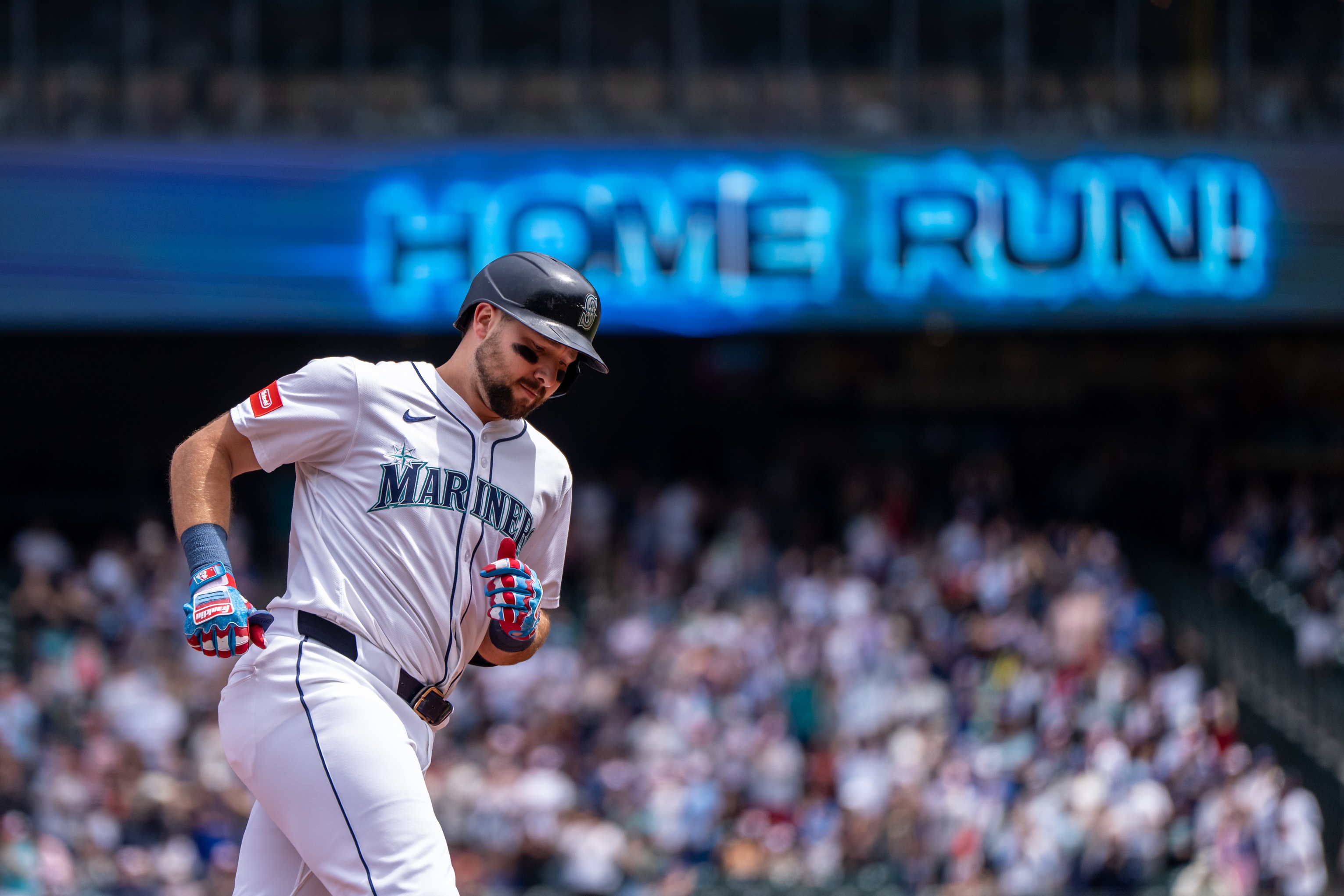 © USA Today Sports
The 2025 MLB All-Star rosters have been set for the upcoming July 15th exhibition, including a diverse array of new & old faces, plenty of first time entries, 3 starters each for the Los Angeles Dodgers & Detroit Tigers, and as always - a few notable omissions.
Spotrac dives into the rosters with our annual look at how these players were acquired by their current team, as well as financial futures for each.
American League
AL Starters
The Tigers lead the way with 3 players on the starting roster. Two players (Torres/O’Hearn) are pending free agents this winter, with the latter squarely in trade discussions this month. Jacob Wilson is the odds on favorite to win AL Rookie of the Year.
| POS | PLAYER | TEAM | ACQUIRED | REMAINING |
| C | Cal Raleigh | SEA | Drafted | 5 yrs, $94M |
| 1B | Vladimir Guerrero Jr. | TOR | International | 14 yrs, $500M |
| 2B | Gleyber Torres | DET | Free Agency | UFA |
| SS | Jacob Wilson | ATH | Drafted | 5 control years |
| 3B | José Ramírez | CLE | International | 3 yrs, $69M |
| OF | Aaron Judge | NYY | Drafted | 6 yrs, $240M |
| OF | Riley Greene | DET | Drafted | 3 arbitration years |
| OF | Javier Báez | DET | Free Agency | 2 yrs, $48M |
| DH | Ryan O’Hearn | BAL | Trade | UFA |
AL Pitchers
The AL pitching staff comes with plenty of contractual control with one glaring exception: Tarik Skubal. One of the game’s best arms will be heading into his final offseason of control this coming winter, and should be commanded top of the market numbers to remain in Detroit.
| POS | PLAYER | TEAM | ACQUIRED | REMAINING |
| SP | Hunter Brown | HOU | Drafted | 3 arbitration years |
| SP | Kris Bubic | KC | Drafted | 1 arbitration year |
| SP | Garrett Crochet | BOS | Trade | 6 yrs, $170M |
| SP | Jacob deGrom | TEX | Free Agency | 2 yrs, $75M |
| SP | Max Fried | NYY | Free Agency | 7 yrs, $196M |
| SP | Tarik Skubal | DET | Drafted | 1 arbitration year |
| SP | Yusei Kikuchi | LAA | Free Agency | 2 yrs, $42M |
| SP | Shane Smith | CHW | Rule 5 Draft | 5 control years |
| SP | Bryan Woo | SEA | Drafted | 4 control years |
| RP | Andres Munoz | SEA | Trade | 3 yrs, $24M |
| RP | Aroldis Chapman | BOS | Free Agency | UFA |
| RP | Josh Hader | HOU | Free Agency | 3 yrs, $57M |
AL Reserves
While the likes of Witt Jr., J-Rod, Kirk & Rooker are locked in for the foreseeable future, contract conversations surrounding Chisholm Jr., Pena, & Kwan are very much coming this offseason (if not already). Alex Bregman’s November opt-out clause could also shake up free agency.
| POS | PLAYER | TEAM | ACQUIRED | REMAINING |
| C | Alejandro Kirk | TOR | International | 5 yrs, $58M |
| 1B | Jonathan Aranda | TB | International | 4 control years |
| 2B | Jazz Chisholm Jr. | NYY | Trade | 1 arbitration year |
| 2B | Brandon Lowe | TB | Drafted | 1 yr, $11.5M |
| SS | Jeremy Peña | HOU | Drafted | 2 arbitration years |
| SS | Bobby Witt Jr. | KC | Drafted | 9 yrs, $272M |
| 3B | Alex Bregman | BOS | Free Agency | 2 yrs, $80M |
| OF | Byron Buxton | MIN | Drafted | 3 yrs, $45M |
| OF | Steven Kwan | CLE | Drafted | 2 arbitration years |
| OF | Julio Rodríguez | SEA | International | 9 yrs, $162M |
| DH | Brent Rooker | ATH | Waivers | 5 yrs, $48M |
National League
NL Starters
Three Dodgers players get the nod with a combined $747.5M remaining on their combined contracts. Elsewhere, Kyle Tucker stands to be the top free agent this winter, while Pete Crow-Armstrong could land a significant extension following a breakout year.
| POS | PLAYER | TEAM | ACQUIRED | REMAINING |
| C | Will Smith | LAD | Drafted | 8 yrs, $93.5M |
| 1B | Freddie Freeman | LAD | Free Agency | 2 yrs, $87M |
| 2B | Ketel Marte | ARZ | Trade | 6 yrs, $102.5M |
| SS | Francisco Lindor | NYM | Drafted | 6 yrs, $212M |
| 3B | Manny Machado | SD | Free Agency | 8 yrs, $301M |
| OF | Kyle Tucker | CHC | Trade | UFA |
| OF | Ronald Acuña Jr. | ATL | International | 3 yrs, $51M |
| OF | Pete Crow-Armstrong | CHC | Trade | 5 control years |
| DH | Shohei Ohtani | LAD | Free Agency | 8 yrs, $560M |
NL Pitchers
The 3rd-place Giants secured three spots on the list, including a nice comeback story in Ray and a budding young reliever in Rodriguez. Wheeler’s produced for every dollar Philly has handed him and then some, while Skenes & Gore continue to prove they belong near the top of the next generation of MLB arms.
| POS | PLAYER | TEAM | ACQUIRED | REMAINING |
| SP | Zack Wheeler | PHI | Free Agency | 2 yrs, $84M |
| SP | Yoshinobu Yamamoto | LAD | International | 10 yrs, $260M |
| SP | Logan Webb | SF | Drafted | 3 yrs, $70M |
| SP | Paul Skenes | PIT | Drafted | 4 control years |
| SP | Chris Sale | ATL | Trade | 1 yr, $18M |
| SP | Robbie Ray | SF | Trade | 1 yr, $25M |
| SP | Freddy Peralta | MIL | Trade | 1 yr, $8M |
| SP | Clayton Kershaw | LAD | Drafted | UFA |
| SP | MacKenzie Gore | WSH | Trade | 2 arbitration years |
| SP | Matthew Boyd | CHC | Free Agency | 1 yr, $19M |
| RP | Jason Adam | SD | Trade | 1 arbitration year |
| RP | Edwin Díaz | NYM | Trade | 2 yrs, $42M |
| RP | Randy Rodríguez | SF | International | 5 control years |
NL Reserves
5 of the NL reserves were acquired via trade, 4 have significant cost-control remaining, while Suarez (ARI) and Schwarber (PHI) are pending UFAs.
| POS | PLAYER | TEAM | ACQUIRED | REMAINING |
| C | Hunter Goodman | COL | Drafted | 4 control years |
| 1B | Pete Alonso | NYM | Drafted | 1 yr, $24M |
| 1B | Matt Olson | ATL | Trade | 5 yrs, $108M |
| SS | Elly De La Cruz | CIN | International | 4 control years |
| 3B | Eugenio Suárez | ARI | Trade | UFA |
| OF | Corbin Carroll | ARI | Drafted | 6 yrs, $120M |
| OF | Kyle Stowers | MIA | Trade | 4 control years |
| OF | Fernando Tatis Jr. | SD | Trade | 9 yrs, $286M |
| OF | James Wood | WSH | Trad |
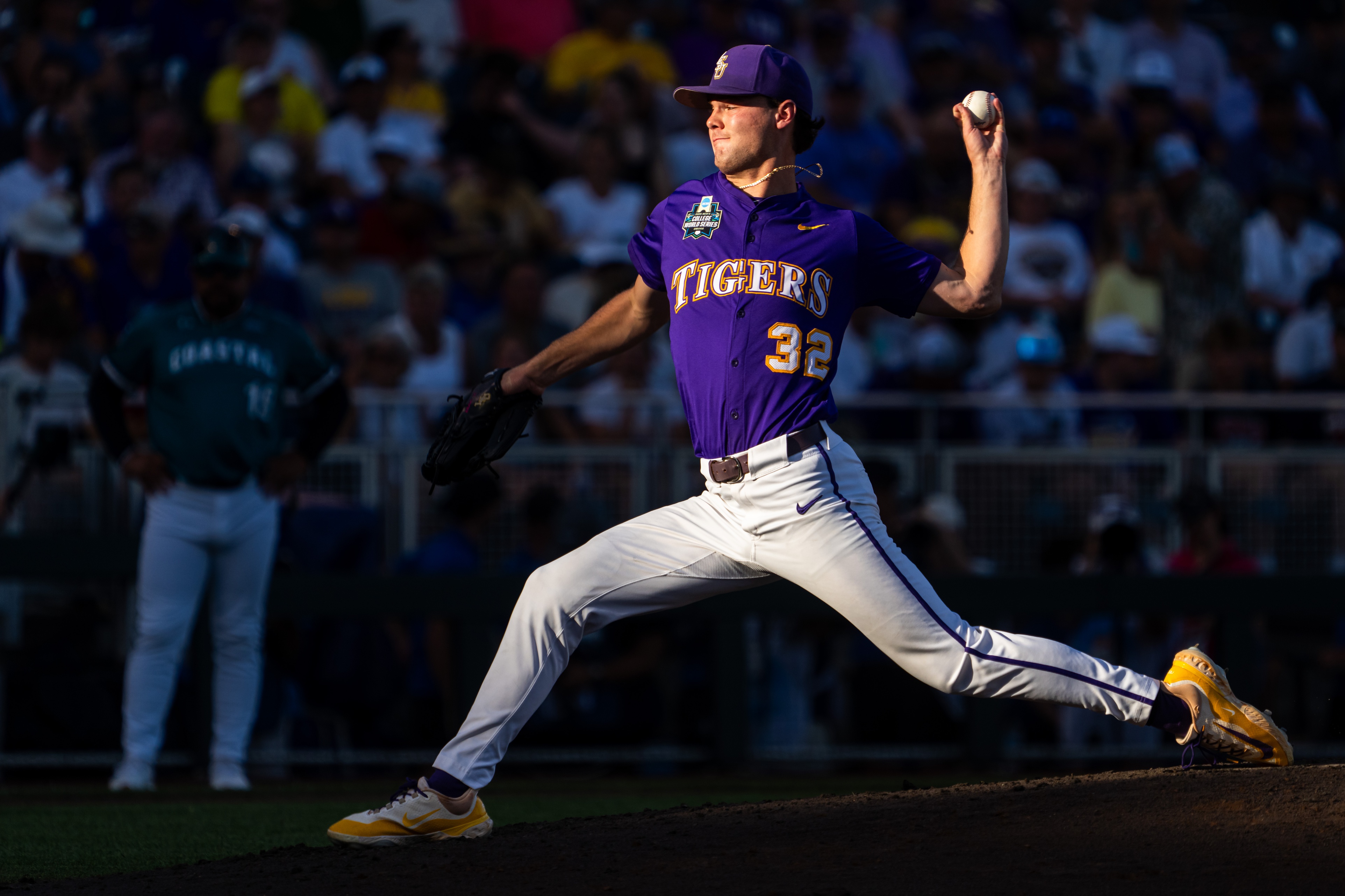 © USA Today Sports
The MLB Draft, also known as the Rule 4 Draft, will take place July 13th & 14th in Atlanta as part of the All-Star Week. The 20 round event is the primary way for high school and college players to latch onto professional organizations. Day 1 will see the first 74 picks (the first two rounds plus two competitive balance rounds), with the remaining picks slated for Day 2.
RELATED: 2025 MLB Draft Tracker
Player Eligibility
Players eligible for the draft must be a resident of the United States, Canada, or a US Territory.
High School players are eligible for the draft if they’ve graduated, but haven’t yet enrolled to a college.
4-Year College players are eligible after completing their Junior or Senior year - or once they turn 21 years old. Players selected here have the option to return to school or sign with their drafted team.
Junior College players are eligible after their 1st completed year.
Lottery System
Beginning in 2023, MLB adopted a lottery system for the Top 6 picks in the draft. All 18 non-playoff teams are considered lottery teams for the draft. Teams are given a number of 4-digit combinations based on their standings (so the worst overall record in baseball carries a much better chance of winning the #1 overall pick than the 18th worst record).
There are exceptions to being eligible for this lottery pool.
The Chicago White Sox, despite holding the worst record in MLB last season, aren’t eligible for the 2025 lottery because they were a Revenue Paying Team who was awarded a lottery pick in 2024 (#5 overall). Revenue Payors cannot hold lottery picks in consecutive drafts.
The Athletics are also ineligible this year, as they’ve secured a lottery pick two years in a row. Revenue Receiving Teams cannot hold lottery picks in three consecutive drafts.
Ineligible teams automatically slot in to the 10th overall odds, but cannot receive a Top 9 pick due to their status.
2025 Lottery Odds
Colorado Rockies, 22.5%
Miami Marlins, 22.5%
Los Angeles Angeles, 18%
Washington Nationals, 10.2%
Toronto Blue Jays, 7.5%
Pittsburgh Pirates, 5.3%
Cincinnati Reds, 3.7%
Texas Rangers, 2.5%
San Francisco Giants, 1.9%
Chicago White Sox (ineligible)
Athletics (ineligible)
Tampa Bay Rays, 1.5%
Boston Red Sox, 1.2%
Minnesota Twins, 1.1%
St. Louis Cardinals, 0.8%
Chicago Cubs, 0.7%
Seattle Mariners, 0.5%
Arizona Diamondbacks, 0.3%
2025 MLB Draft Order
December’s Lottery unearthed the following Top 18 picks:
#1: Washington Nationals (lottery)
#2: Los Angeles Angels (lottery)
#3: Seattle Mariners (lottery)
#4: Colorado Rockies (lottery)
#5: St. Louis Cardinals (lottery)
#6: Pittsburgh Pirates (lottery)
#7: Miami Marlins
#8: Toronto Blue Jays
#9: Cincinnati Reds
#10: Chicago White Sox
#11: Athletics
#12: Texas Rangers
#13: San Francisco Giants
#14: Tampa Bay Rays
#15: Boston Red Sox
#16: Minnesota Twins
#17: Chicago Cubs
#18: Arizona Diamondbacks
Based on current MLB standings, the Rockies, Nationals, and Angels all stand to be Lottery-ineligible for the 2026 draft, while the White Sox and Athletics find themselves right back up at the #1/#2 odds.
Luxury Tax Penalties
MLB Teams who spend $40M or more over the CBT threshold will see their highest draft pick dropped 10 spots. If their first round pick is a Top 6 lottery selection, the team will see their second highest pick lowered. For 2025, the Dodgers, Mets, & Yankees all fall into this category.
Draft Bonus Slots/Pools
Each pick in the first 10 rounds has an assigned slot value, which are determined by league revenue growth. 2025 slot values were announced a few weeks later than usual; Baseball America reported that was because of a dispute between the league and MLB Players Association regarding the revenue growth.
3-Year Slot Value Increase / Total Bonus Pool
2025: 4.8% ($350,357,700 total)
2024: 8.7% ($334,375,000 total)
2023: 9.9% ($307,335,300 total)
A team’s Signing Bonus Pool is the total amount a team can spend on signing bonuses for players they select in the first 10 rounds. The bonus slot numbers are just the “suggested” figure for that pick in a given year. Teams are able to sign a player at more or less based on a variety of factors. Picks in rounds 11-20 are slotted at $150,000, often come in at a much lower cost, and are not factored into a team’s bonus pool.
Can teams go over their bonus pool? Yes. But there’s an up-to 5% overage tax in doing so. Teams that exceed their pool by more than 5% are subject to stricter penalties, including loss of future draft picks. While teams often exceed within the 5% range, no team has gone over this threshold as of yet.
2025 Slot Bonuses
For 2025, slot bonuses vary from $11.075M (#1 overall) down to $187,300 (#315 overall). The first 15 picks are all slotted to earn a bonus north of $5M, while the first 50 could see a number near or above $2M. Pick #81 is where the bonus slots fall below a million for the upcoming season. The Top 11 picks carry combined bonuses that equal just north of 25% of the $350M+ total pool. Full slot numbers are available on the Spotrac MLB Draft Tracker
Team Bonus Pools
Bonus pools are the collective total of each draft pick slot bonus in the first 10 rounds. 21 MLB teams will carry a pool north of $10M this year, with the Mariners (who hold 11 picks in the first 10 rounds) leading the way. The Yankees (one of the teams who saw their top pick lowered 10 spots due to luxury tax overage), bring up the rear with a $5.3M pool.
| Rank | Team | 2025 Bonus Pool | Rd 1-10 Picks |
|---|---|---|---|
| 1 | Mariners | $17,074,400 | 11 |
| 2 | Rays | $16,699,400 | 13 |
| 3 | Angels | $16,656,400 | 11 |
| 4 | Nationals | $16,597,800 | 10 |
| 5 | Orioles | $16,513,100 | 13 |
| 6 | Rockies | $15,723,400 | 11 |
| 7 | Marlins | $15,187,400 | 11 |
| 8 | Cardinals | $14,238,300 | 11 |
| 9 | Pirates | $14,088,400 | 11 |
| 10 | Brewers | $13,138,100 | 12 |
| 11 | Royals | $12,794,700 | 12 |
| 12 | Twins | $12,653,000 | 11 |
| 13 | Red Sox | $12,409,300 | 11 |
| 14 | White Sox | $12,169,100 | 10 |
| 15 | Reds | $11,836,800 | 10 |
| 16 | Rangers | $10,991,300 | 10 |
| 17 | Tigers | $10,990,800 | 11 |
| 18 | Diamondbacks | $10,917,800 | 10 |
| 19 | Athletics | $10,563,500 | 10 |
| 20 | Blue Jays | $10,314,600 | 10 |
| 21 | Guardians | $10,198,100 | 12 |
| 22 | Cubs | $9,636,800 | 10 |
| 23 | Braves | $9,081,100 | 11 |
| 24 | Dodgers | $9,031,300 | 11 |
| 25 | Giants | $8,403,300 | 10 |
| 26 | Phillies | $7,849,400 | 10 |
| 27 | Astros | $7,181,500 | 9 |
| 28 | Padres | $6,569,100 | 10 |
| 29 | Mets | $5,465,900 | 9 |
| 30 | Yankees | $5,383,600 | 9 |
The Prospect Promotion Incentive Pick
Beginning in 2022, MLB implemented this PPI system to help reduce keeping star young players in the minor leagues in order to push their service time clock into an extra season of control. If a player garners a full season of service time, and factors into a major season award (Rookie of the Year, MVP, Cy Young), their respective team will secure an extra draft pick in the following year.
This means that a player must be called up in time to be active for 172 days of service within a season, then either win the Rookie of the Year award OR finish Top 3 in MVP or Cy Young voting. If a player has garnered the necessary service time, but doesn’t finish in any of the top award results, they can meet the PPI credit any time before they reach arbitration.
To date, four teams have earned PPI draft picks
- Seattle in 2023 for Julio Rodriguez’ 2022 ROTY
- Arizona in 2024 for Corbin Carroll’s 2023 ROTY
- Baltimore in 2024 for Gunnar Henderson’s 2023 ROTY
- Kansas City in 2025 for Bobby Witt Jr’s Top 3 2024 MVP result
The Royals were awarded the #28 overall pick for the upcoming draft which added $3,282,200 to their Bonus Pool.
Compensation Draft Picks
These picks are tied to pending free agents who are given a Qualifying Offer from their previous team, reject that 1-year salary, and sign elsewhere in the open market. These picks are slotted based on the revenue-sharing status of the team, and the dollar value of the contract the losing player signs.
First Round
These picks are awarded to revenue-sharing teams who lose a qualifying offered player to a contract north of $50M. These picks fall right after the 1st round, before the Competitive Balance A round.
#29 | ARI for Christian Walker ($3,191,100 slot)
#30 | BAL for Corbin Burnes ($3,113,300 slot)
#31 | BAL for Anthony Santander ($3,042,800 slot)
#32 | MIL for Willy Adames ($2,970,900 slot)
Second Round
These picks are awarded to revenue-paying teams who did not exceed the luxury tax threshold in the season prior. They fall right after the Competitive Balance B round.
#75 | BOS for Nick Pivetta ($1,093,800 slot)
Third Round
The Angels are receiving a special Third Round compensation pick this year because they were unable to sign their 3rd round draft pick last season.
#105 | LAA for Ryan Pranger ($729,600 slot)
Fourth Round
These picks are awarded to revenue-paying teams who did exceed the luxury tax threshold in the season prior. They fall right after the fourth round.
#136 | ATL for Max Fried ($431,100 slot)
Competitive Balance Draft Picks
MLB offers two rounds where teams can secure additional draft picks based on players they’ve lost in last offseason’s free agency
Competitive Balance Round A falls in between the 1st and 2nd rounds.
Competitive Balance Round B falls in between the 2nd and 3rd rounds.
In essence, when a player of consequence signs a free agent contract elsewhere, the relinquishing team is compensated back through this draft pick system. What constitutes an A versus B pick? Simply put, teams that have the biggest “need” in that particular year based on a combination of winning percentage, market score, and revenue generation will be awarded the better draft picks. The formula scores each team every year, so it’s not as simple as claiming that these 10-12 teams will always benefit more or less based on previous year results. Based on this grading system, the 6 teams with the lowest “score” that offseason will be awarded Competitive Balance A picks. All other scenarios will fall into the B round.
In 2025, 11 picks were awarded for the A round (#33-#43), while 9 were slotted into the B round (#66-#74).
Maybe the most important caveat attached to these Comp. picks is that they’re the only draft picks currently allowed to be traded per the MLB CBA. The picks cannot be traded for cash considerations alone, and cannot be “flipped” by an acquiring team (only traded once).
The #1 Pick
As noted above, the Washington Nationals secured the #1 pick for the upcoming draft, despite entering the lottery with the 4th-best odds, adding about $2.3M to their overall signing bonus pool.
This is the third time in franchise history that the Nationals have secured the top pick, with the previous two instances working out pretty favorably…
2009: SP Stephen Strasburg
2020: OF Bryce Harper
2025: TBD
History of #1 Overall Pick Bonuses
(Slot/Actual Signing)
2025: $11,075,900 (slot)
2024: $10,570,600 / $8,950,000
2023: $9,721,000 / $9,200,000
2022: $8,846,900 / $8,190,000
2021: $8,415,300 / $6,500,000
2020: $8,415,300 / $8,416,300
Various factors come into play when pinning down why a #1 pick goes under/over slot, but most of it comes down to position, and a player’s MLB timeline. When looking at the list of potential #1 picks below, it seems extremely likely that any player selected should be able to secure a full-slot bonus from Washington next week.
Expected Lottery Prospects
Ethan Holliday (3B/SS)
The brother of 2022 #1 overall pick Jackson, early reports claim that Ethan could be a more powerful hitter, and a stopgap third baseman in the league for years to come. It’s widely expected that he’ll be the Nationals’ pick next week. It would be the first sibling duo to go #1 overall if so.
Seth Hernandez (RHP)
The high schooler out of California might be the most talented overall player in the draft (including his abilities at the plate), but right-handed pitchers coming out of high school simply don’t get drafted #1 overall in this league. Will Washington break this mold?
Jamie Arnold (LHP)
The Florida State junior fits the mold for highly drafted pitchers, and teams are always attracted to reliable left-handers, but it seems highly likely that Washington would be more apt to take the risk on Hernandez (above), who might have the highest ceiling of anyone in the draft.
Kade Anderson (LHP)
The Most Outstanding Player at this year’s College World Series saw his draft stock soar over the past few months, compiling a D1 high 180 strikeouts on the way. He might not have the ceiling or pedigree that Hernandez/Arnold possess, but nobody enters the week with more momentum.
Notable Notes
Deadline to Sign Rookies
Teams must sign their draft class to respective bonuses by August 1st, 5PM ET. Any unsigned players can report back to college if eligibility remains, or can latch on with an international league. They can re-enter the following year draft if their eligibility remains in good standing. The team that was unable to sign the draft pick will receive a compensation pick in that same round in the following year draft.
Trading Drafted Rookies
Any player selected in the 2025 MLB Draft and subsequently signed to a corresponding bonus cannot be included in a trade until after the current league year finishes (after the upcoming World Series). The rule used to be a full calendar year restriction (July->July), but the Padres & Nationals uncovered a loophole at the 2014 trade deadline that forced a change. The Padres sent a package of players to Washington that included a "player to be named". That player was named in December of 2014 to be Trea Turner, the #13 overall pick in that year's draft. MLB forced the Padres to keep Turner on their roster until June 2015, after which the trade could be completed - but they also agreed to change the rule to the one that exists today in the process.
Rookies Signing MLB Contracts
The 2012 CBA eliminated the possibility for MLB teams to sign drafted rookies to multi-year MLB contracts, as the deals were being used to spread out signing bonuses and lower payroll hits. All drafted rookies now effectively sign minor league contracts in accordance with their signing bonus, and must have their contract purchased at the MLB level in order to be eligible for an extension.
These early extensions have become much more popular in recent years, including a recent deal for Red Sox 2B Kristian Campbell, who was handed an 8 year, $60M extension just 21 months after being drafted.
What Happens if a Team Doesn't Use the Entire Bonus Pool?
There is no formal penalty or compensation in place for teams that wind up with remaining pool money. It is also not possible to rollover unused pool to the following draft.
RELATED: 2025 MLB Draft Tracker
Brian Campbell wins the John Deere Classic. Campbell earns $1.512 million bringing his 2025 on-course earnings to $2.1 million and his career earnings to $1.94 million.
John Deere Classic Top 10 Payouts

It's no secret that the Cleveland Browns are heading toward training camp with an awkwardly uncertain QB room, but what do the contracts say about where things could be headed?
Deshaun Watson
The 29-year-old is expected to be placed on the Reserve/PUP list this summer, taking him out of play for the first four games of the season. Cleveland won't need to activate him unless needed, and it's largely expected that he won't suit up for the Browns in 2025. Contractually, the 2 years, $92M remaining is (of course) fully guaranteed, with $167M+ of dead cap attached to the deal in 2025. That number drops to $131.1M next offseason. Will Cleveland take the hit and move on?
Kenny Pickett
The 27-year-old is entering the final year of his rookie contract, set to earn a fully guaranteed $2,623,350 in 2025. That's the cost to keep or cut the former #20 overall pick this summer. Pickett is largely expected to factor into the QB1 conversation through camp.
Joe Flacco
Flacco signed a 1 year, $4.25M contract this offseason that included $3M guaranteed (a $1.745M signing bonus, and his $1.255M salary). The deal can max out at $13M based on incentives. On the contrary, Flacco must be active weekly to pick up a $58,823 bonus ($1M for all 17 weeks), and he must still be on the roster for the last game of the season in order to vest a $250,000 roster bonus. In other words, the Browns can cut their losses mid-season if they so choose.
Dillon Gabriel
The 3rd-rounder signed a 4 year $6.2M contract this Spring that included a $1.16M signing bonus, his only guarantee. It stands to reason that he will be competing with Shedeur Sanders for the final QB spot.
Shedeur Sanders
The 5th-rounder signed a 4 year, $4.6M contract that included a $447,380 signing bonus, his only guarantee. He'll need a big camp to secure a roster slot, or risk being sent to waivers as a practice squad pickup.
 © USA Today Sports
Top Positional MLB Trade Candidates
As the calendar turns to July, so does the focus on the looming 7/31 MLB trade deadline. While many teams will use the next 2-3 weeks to decide their 2025 buy/sell fate, a few notable trade candidates have already emerged. We detail a player or two at each position group, including the remaining CBT salary on July 31st, and any future contract obligations going forward.
RELATED
Starting Pitching
Sandy Alcantara (Marlins, 29)
Deadline Tax Salary: $4.5M (includes $1M trade bonus)
Future Financials: $17.3M in 2026; $21M club option in 2027 ($2M buyout)
The numbers haven’t been sharp (6.98 ERA, 1.48 WHIP) since his return from Tommy John surgery, but there have been signs of consistency & improvement of late (with the Marlins as well). Is it enough to generate a trade offer that Miami will bite on? With 2 ½ years of term left on this deal, there’s no imminent rush.
Spotrac Predicts: No Trade
Seth Lugo (Royals, 35)
Deadline Tax Salary: $4.7M
Future Financials: $15M player option in 2026
Lugo has been as advertised since joining KC in 2024, and he’s posting career-best numbers as a starter through half of 2025. The Royals have a deep enough rotation (when healthy) for the foreseeable future, but shipping a player like Lugo at a more than fair 1.5 years, $20M price tag could help bolster the offense with a solid trade return.
Spotrac Predicts: Lugo is traded to the Dodgers
Nick Martinez (Reds, 34)
Deadline Tax Salary: $6.6M
Future Financials: UFA
Martinez turned a career year in 2024 into a signed $21M qualifying offer to return to Cincinnati. Things haven’t gone nearly as well but with experience both as a starter and out of the bullpen, still seems a solid fit for a contender down the stretch. The Reds will likely need to retain plenty of his $6.6M remaining.
Spotrac Predicts: Martinez is traded to the Blue Jays
Relief Pitching
Jhoan Duran (Twins, 27)
Deadline Tax Salary: $1.3M
Future Financials: 2 more years of arbitration, 2028 UFA
Duran enters July with an outstanding 251 ERA+, while the Twins enter 5 games under .500. With two years of arbitration remaining, there’s no rush to this move, but if made available, Duran becomes the top reliever on the block this month.
Spotrac Predicts: Minnesota’s asking price leads to No Trade
Pete Fairbanks (Rays, 31)
Deadline Tax Salary: $1.3M
Future Financials: $7M club option in 2026 ($1M buyout, escalators)
The Rays are in the hunt, so selling off one of the better closers in the game midseason doesn’t make a ton of baseball sense, but Tampa loves to shop players they might not be able to afford next year to keep the pipes full. Fairbanks’ team option could rise to as much as $10M based on escalators.
Spotrac Predicts: Fairbanks is traded to Detroit
Aroldis Chapman (Red Sox, 37)
Deadline Tax Salary: $3.4M
Future Financials: UFA
Chapman already has the same amount of Saves (14) in 37 appearances for Boston this season than he did in 68 games for Pittsburgh last season. The left-hander still averages nearly 100 mph on the fastball and could bring back a decent player (especially if Boston retains the remaining salary)
Spotrac Predicts: Chapman is traded to Philadelphia
Catcher
Danny Jansen (Rays, 30)
Deadline Tax Salary: $2.6M
Future Financials: $12M Mutual Option in 2026 ($500k buyout)
Jansen’s overall numbers have dipped, but the power has actually picked up since joining the Rays, who aren’t necessarily in full-sell mode (1.5 games out of AL East lead). The $12M mutual option in 2026 seems moot, so any team acquiring Jansen would be doing so as a 2-3 month rental.
Spotrac Predicts: No Trade
First Base
Ryan O'Hearn (Orioles, 31)
Deadline Tax Salary: $2.5M
Future Financials: UFA
After a down 2024, O’Hearn’s numbers (power and production) are up across the board in Baltimore. The 31-year-old will enter free agency for the first time this winter, but seems a lock to latch on with a contender prior to doing so.
Spotrac Predicts: O’Hearn is traded to San Francisco
Second Base
Luis Urias (Athletics, 28)
Deadline Tax Salary: $349k
Future Financials: UFA
The A’s have an uncharacteristically light trade pool this summer, and Urias certainly doesn’t provide enough production at the plate to make significant impact as a 3-month rental, but a player that can defend all over the infield and handle the bat is always valuable this time of year.
Spotrac Predicts: Urias is traded to the Guardians
Shortstop
Isiah Kiner-Falefa (Pirates, 30)
Deadline Tax Salary: $1.9M
Future Financials: UFA
Traded to Pittsburgh at least year’s deadline, IKF is still a serviceable defender who can fill up the bottom of a lineup day in and out as needed. There may be cheaper options to consider at the deadline, but experience is a big part of the deadline acquisition process.
Spotrac Predicts: IKF is traded to the Yankees.
Third Base
Eugenio Suarez (Diamondbacks, 33)
Deadline Tax Salary: $4.1M
Future Financials: UFA
One of the most consistent, productive third basemen of the past decade is slated for free agency this winter. Arizona remains adamant that they won’t be selling pieces this month, but legitimate contenders could change that with an overpay offer for Suarez in the coming weeks.
Spotrac Predicts: Suarez is traded to Detroit.
Outfield
Luis Robert Jr. (White Sox, 27)
Deadline Tax Salary: $2.6M
Future Financials: $20M club option in 2026 ($2M buyout)
Robert has been in trade discussions for nearly 2 years now, and a recent hamstring injury may delay that process even more. Combine that with career-low numbers through the first half of 2025, and the 27-year-old isn’t a very attractive option approaching the deadline. But it only takes one believer.
Spotrac Predicts: Robert is traded to the Mets
Adolis García (Rangers, 32)
Deadline Tax Salary: $2.6M
Future Financials: Arbitration-eligible in 2026; UFA in 2027
The wheels have really come off since Garcia’s outstanding 2023 campaign, so the Rangers would be selling fairly low here. One silver lining? The 32-year-old is still arbitration eligible one more time in 2026, and teams love a little extra control wherever they can find it.
Spotrac Predicts: Garcia is traded to Cleveland.
Taylor Ward (Angels, 31)
Deadline Tax Salary: $2.4M
Future Financials: Arbitration-eligible in 2026; UFA in 2027
Much of the Angels roster was built for the short-term, but Ward carries another year of arbitration with him to the deadline. He’s headed for career power numbers in 2025, and could be an instant jolt of offense to a fringe contender.
Spotrac Predicts: Ward is traded to San Diego.
Designated Hitter
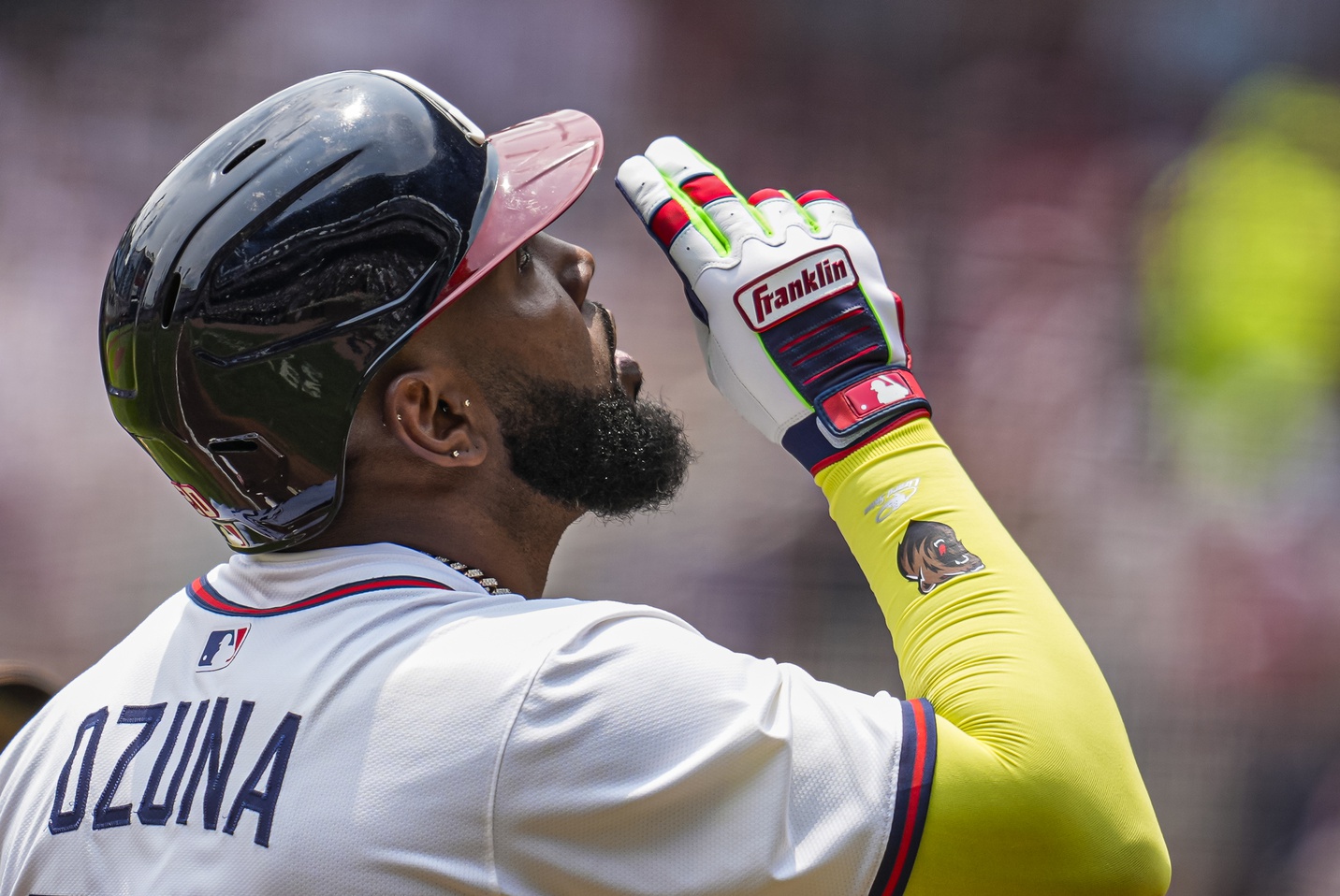
Marcell Ozuna (Braves, 34)
Deadline Tax Salary: $4.75M
Future Financials: UFA
The Braves don’t seem to be in seller mode - yet - but they enter July 12 games under .500, and Ozuna is on an expiring contract. If any Brave is going to move, he seems the most likely.
Spotrac Predicts: Ozuna is traded to Seattle.
 © USA Today Sports
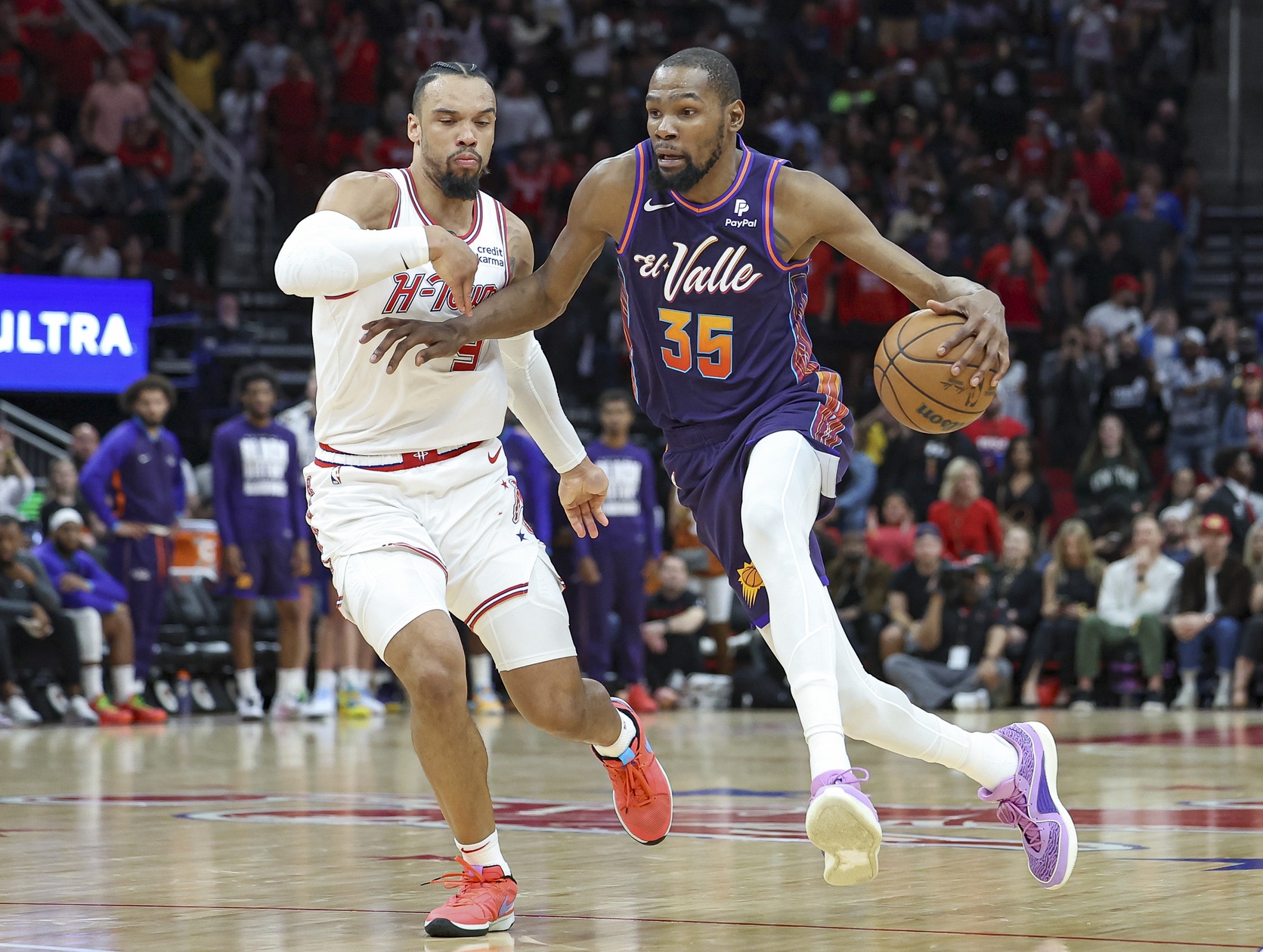
The first couple of days of NBA Free Agency are in the books. The Houston Rockets are making big moves, the Denver Nuggets added a ton of depth, and other Western Conference teams are gearing up for playoff runs.
We’re going to cover each Western Conference team and what they’ve reportedly agreed to, as well as taking a look at the maximum spending power they have remaining. We previously covered the Eastern Conference teams.
This article will mostly focus on established NBA players. We’ll call out draft-related moves where necessary, but this is mostly about movement for players already in the league.
(Note: Rather than clutter the article with future-based terminology (“agreed to…”), we’re going to write about agreements as if they’re done. It will just keep things cleaner. We’ll call out situations where a difference may matter.)
Dallas Mavericks
-
The Moves: re-signed Kyrie Irving, signed D’Angelo Russell
-
The Analysis: The Mavs wanted to bring Kyrie Irving back and they got him on a really solid value deal. This contract was a good compromise between player and team, as Irving is coming off a major injury and will miss at least half of the upcoming season. Because of Irving being out for a while, Dallas also needed some to cover for him. They got D’Angelo Russell, for the Taxpayer MLE. That’s a good signing, because when Irving is back, Russell can play with him, as well as backing up the Mavericks starting point guard. Oh, and they got that Cooper Flagg guy in the Draft too. Not bad for a summer without a high volume of moves.
-
Spending Power Remaining: Minimum contracts. The Mavericks roster is full at present and they are about $3 million under their second-apron hard cap after using the Taxpayer MLE. Barring a trade or two, things are likely to be somewhat quiet for Dallas from here.
Denver Nuggets
-
The Moves: traded for Cameron Johnson, traded for Jonas Valanciunas, signed Bruce Brown, signed Tim Hardaway Jr.
-
The Analysis: Denver came into the offseason with a possibility of using the Taxpayer MLE to find some depth. They ended up way outperforming that expectation! The Michael Porter Jr. for Cameron Johnson swap is huge for the Nuggets. Johnson is barely an on-court downgrade, if any at all, from Porter and the savings on the contract is huge. That enabled Denver to add a viable backup center in Jonas Valanciunas in a trade. The Nuggets also added perimeter depth with beloved former champion Bruce Brown and shooter Tim Hardaway Jr.
-
Spending Power Remaining: Minimum contracts. Denver likely has some of the Non-Taxpayer MLE remaining, but they are also about $7.7 million under their first-apron hard cap. The roster is also mostly full. At most expect another minimum signing or two.
Golden State Warriors
-
The Moves: None
-
The Analysis: The Warriors are sitting patient in free agency. Jonathan Kuminga’s status as a restricted free agent is still pending. If he’s back, that’ll eat up most of Golden State’s flexibility under the first apron. That could limit the Warriors to using the Taxpayer MLE to sign a free agent. They’re known to be looking for a size upgrade in the frontcourt, especially after losing Kevon Looney in free agency.
-
Spending Power Remaining: $14.1 million of Non-Taxpayer MLE or $5.7 million of Taxpayer MLE. This is really dependent on what happens with Jonathan Kuminga. If he’s gone, without any, or much, salary coming back in a sign-and-trade, the Warriors should have just enough room to use the full NTMLE under the first-apron hard cap that would trigger. If Kuminga is back, or the Warriors bring in salary for him in a sign-and-trade, then the Taxpayer MLE is probably the most they’ll have to spend.
Houston Rockets
-
The Moves: traded for Kevin Durant, extended Steven Adams, re-signed Fred VanVleet, Jeff Green, Aaron Holiday, Jae’Sean Tate, signed-and-traded for Clint Capela, extended Jabari Smith Jr.
-
The Analysis: Whew boy, the Rockets have been busy! Houston kicked things off by agreeing to trade for Kevin Durant. They then kept several key players in the fold with long-term deals, including Fred VanVleet, Steven Adams and Jabari Smith Jr. (whose extension will start with the 2026-27 season). And Houston also picked up Clint Capela for even more frontcourt depth.
-
Spending Power Remaining: Minimum contracts. The Rockets will be dealing with a first-apron hard cap and will have minimal room under it. The good news? Their roster is basically full after a whirlwind summer.
LA Clippers
-
The Moves: re-signed James Harden and Nicolas Batum, signed Brook Lopez
-
The Analysis: LA wanted to re-sign James Harden and Nicolas Batum. They also wanted to add a quality backup for Ivica Zubac. Check, check and check. Harden and Batum both got fair-value deals. Lopez was a relative bargain for only a chunk of the Non-Taxpayer MLE. He’ll be awesome behind Zubac. The Clippers also aligned everything with Kawhi Leonard’s contract too. They’re set up to make a two-year run before a likely hard reset comes in 2027.
-
Spending Power Remaining: $5.4 million of Non-Taxpayer MLE. The Clippers still have some of the NTMLE left. They’ve also got a couple of open roster spots. Keep your eyes on a value signing for bench depth.
Los Angeles Lakers
-
The Moves: signed Jake LaRavia
-
The Analysis: Much to the chagrin of their fanbase, the Lakers have been patient in free agency for yet another summer. Jake LaRavia was a quality signing for some of the Non-Taxpayer MLE. Getting a center, or even two, remains the priority. And we’re all watching whatever happens with LeBron James, which lingers over everything. He’ll probably be back, but there’s a chance a trade could spring there too.
-
Spending Power Remaining: $8.3 million of Non-Taxpayer MLE. The Lakers have enough room under their first-apron hard cap to use the rest of the NTMLE and then fill out the roster by signing Adou Thiero to a second-round pick exception deal and a veteran minimum signing. Of course, if LeBron James is traded, everything could be thrown for a major loop here.
Memphis Grizzlies
-
The Moves: renegotiated-and-extended Jaren Jackson Jr., re-signed Santi Aldama and Cam Spencer, traded for Kentavious Caldwell-Pope and Cole Anthony, signed Ty Jerome
-
The Analysis: It’s been a busy summer for the Grizzlies. They created (or better put: are working on creating) the cap space necessary to renegotiate-and-extend Jaren Jackson Jr. That will keep one of their best players in the mix for years to come. Re-signing Santi Aldama was big for frontcourt depth, especially so with Jackson likely to miss some time due to turf toe surgery. Adding Kentavious Caldwell-Pope gives the team a 3&D threat to replace Desmond Bane. And Memphis added Ty Jerome to fill the sixth man role. Also, don’t underrate the Cam Spencer signing. He was really good in the G League a year ago.
-
Spending Power Remaining: Minimum contracts. The Grizzlies are using their cap space to renegotiate-and-extend Jaren Jackson Jr. From there, Memphis is giving the Room Exception to Ty Jerome. That leaves minimum deals left. This roster is also full, pending whatever salary-shedding moves are made to free up the room to complete the Jackson maneuver.
Minnesota Timberwolves
-
The Moves: re-signed Julius Randle, Naz Reid and Joe Ingles
-
The Analysis: Minnesota lost Nickeil Alexander-Walker, but they kept their frontcourt intact by re-signing Julius Randle and Naz Reid. That means that young backups Terrence Shannon Jr., Rob Dillingham and Jaylen Clark will be in line for bigger roles next season. Pivoting towards youth is all part of life as a team that is dancing around the second apron.
-
Spending Power Remaining: Minimum contracts. The Wolves roster is close to full. They’re also under the second apron and would like to stay there. That means a minimum signing or two will finish off this offseason.
New Orleans Pelicans
-
The Moves: acquired Jordan Poole and Saddiq Bey, signed Kevon Looney
-
The Analysis: This offseason has been…well…it’s been something for the Pelicans. We’re not going to bash them for picking up Jordan Poole. He was pretty solid for the Wizards last season and he’s reliable. That will help New Orleans, even if they took on some money into 2026-27. They went for upside in the draft with Jeremiah Fears and Derik Queen, even at the expense of a potentially juicy 2026 first-round pick. Those two could end up really good though. The Kevon Looney signing was probably an overpay, given where he is at this point in his career, but the team wanted some experienced center depth.
-
Spending Power Remaining: $3.7 million of Non-Taxpayer MLE. The Pelicans have a bit more of the NTMLE remaining than this amount, but this is about how far New Orleans is under the luxury tax. That’s been a de facto hard cap for the team throughout their history. They aren’t likely to do anything that puts them over that marker this year.
Oklahoma City Thunder
-
The Moves: extended Shai Gilgeous-Alexander, extended Jaylin Williams, re-signed Ajay Mitchell
-
The Analysis: Life as the champs is pretty good! The Thunder didn’t have to do much roster-maneuvering at all, so they didn’t really make any changes. Oklahoma City spent big in a super max extension for Shai Gilgeous-Alexander, but that was always the expectation. And it doesn’t kick in until the 2027-28 season, so no worries there for a couple more years. They got Jaylin Williams back on a value deal for frontcourt depth. And they did the same for Ajay Mitchell for backcourt depth.
-
Spending Power Remaining: Minimum contracts. The Thunder could use a big chunk of the Non-Taxpayer MLE (almost $10 million), but they won’t. For one, they don’t have the roster spots available. For two, they don’t have any glaring needs. And finally, but most importantly, they aren’t going to want to start that luxury tax clock any earlier than they have to.
Phoenix Suns
-
The Moves: acquired Jalen Green and Dillon Brooks, acquired Mark Williams, re-signed Collin Gillespie, signed Nigel Hayes-Davis
-
The Analysis: The Suns started their retooling of the roster with the Kevin Durant trade. Jalen Green and Dillon Brooks are both good, helpful players, even if they are duplicative on this roster as it sits currently. The Suns also doubled-down at the center spot by trading for Mark Williams and drafting Khaman Maluach. There’s a lot of duplication at that spot now too. There have to be rebalancing moves coming to bring in depth at point guard and power forward. Getting Collin Gillespie on a standard deal was a good move. He was very good for Phoenix in his NBA minutes last year. Adding Nigel Hayes-Davis from the EuroLeague was an underrated move too. He should be helpful in the forward rotation.
-
Spending Power Remaining: Minimum contracts. The Suns are still over the second apron. Any major moves they make from here will be via the trade market.
Portland Trail Blazers
-
The Moves: acquire Jrue Holiday
-
The Analysis: The Blazers acquired Jrue Holiday and swung a draft day deal, but have been quiet otherwise. This roster is mostly full, so it’s not really a surprise. Getting $10 million back in the Deandre Ayton buyout helped create a good deal of wiggle room under the tax to make any further moves.
-
Spending Power Remaining: $14.1 million of the Non-Taxpayer MLE. Portland could make a full NTMLE signing and they’d be fine. This roster is still evolving though, so don’t bank on any kind of major signing, unless a pretty big trade is made first.
Sacramento Kings
-
The Moves: signed Dennis Schroder, acquired Dario Saric, signed Drew Eubanks
-
The Analysis: Sacramento needed a point guard and got one in Dennis Schroder via the Non-Taxpayer MLE. They created room under the tax by swapping out Jonas Valanciunas for Dario Saric. That leaves the Kings needing a veteran option behind Domantas Sabonis, but there are centers out there for the minimum to fill that role. It still feels like a trade could be coming, as Sacramento still leans offense-heavy with the current group.
-
Spending Power Remaining: $5.2 million of the Bi-Annual Exception. Teams don’t often use the Bi-Annual Exception, but that’s the most the Kings could offer a free agent. Maybe if a center or another point guard end up available, that could swing them to Sacramento over a minimum deal elsewhere. The team is already hard-capped at the first apron, so using the BAE wouldn’t change anything as far as that status goes.
San Antonio Spurs
-
The Moves: signed Luke Kornet
-
The Analysis: The Spurs got Luke Kornet for most of the Non-Taxpayer MLE. He’ll either start at center or he’ll play a lot off the bench. Either way, it was a really good value signing for San Antonio. They haven’t done anything else, but the roster is mostly full after adding Dylan Harper and Carter Bryant (both excellent picks!) at the Draft.
-
Spending Power Remaining: $4.6 million of the Non-Taxpayer MLE. The Spurs still have a chunk of the MLE left. With a roster that is pretty fully, they may roll that over into the regular season. It’s not bad to have it in reserve, should a need arise later.
Utah Jazz
-
The Moves: acquired Jusuf Nurkic
-
The Analysis: The Jazz picked up Jusuf Nurkic for Collin Sexton. That move was about clearing out the team’s backcourt logjam. It also gives Utah some additional depth, should they trade a big man. Teams are still calling on Walker Kessler, and the Jazz have made John Collins very available also. This roster is still very much in transition, but further moves are mostly likely coming via trades vs signings.
-
Spending Power Remaining: $14.1 million of Non-Taxpayer MLE. Utah has more than enough room to use the full NTMLE. There doesn’t seem to be a signing that aligns with doing that however. If the Jazz make more moves, and they likely will, it’ll come via a trade or two.
 © USA Today Sports
The first couple of days of NBA Free Agency are in the books. The Milwaukee Bucks shook things up, as did the Brooklyn Nets by using some cap space in a huge trade.
We’re going to cover each Eastern Conference team and what they’ve reportedly agreed to, as well as taking a look at the maximum spending power they have remaining. We’ll do the same for the Western Conference in a separate article.
This article will mostly focus on established NBA players. We’ll call out draft-related moves where necessary, but this is mostly about movement for players already in the league.
(Note: Rather than clutter the article with future-based terminology (“agreed to…”), we’re going to write about agreements as if they’re done. It will just keep things cleaner. We’ll call out situations where a difference may matter.)
Atlanta Hawks
-
The Moves: traded for Kristaps Porzingis, signed Nickeil Alexander-Walker, signed Luke Kennard
-
The Analysis: The Hawks have had an outstanding start to the offseason. They added Kristaps Porzingis in a buy-low move, that cost them a couple of rotation players, but no major players. Adding Nickeil Alexander-Walker was a homerun move. And signing Luke Kennard, even a bit of an overpay, solves for the lack of bench shooting. Combine that with a terrific value trade at the Draft, and Onsi Saleh is off to one heck of a beginning as Atlanta’s GM.
-
Spending Power Remaining: $3 million of Non-Taxpayer MLE. The Hawks could possibly structure the Kennard addition as a sign-and-trade into the remainder of their $25.3 million TPE. If so, that would leave the full $14.1 million NTMLE open for use. Atlanta has been creative thus far with sign-and-trades, both coming in and going out.
Boston Celtics
-
The Moves: traded for Anfernee Simons, traded for Georges Niang, signed Luka Garza, signed Josh Minott
-
The Analysis: Boston’s goal going into the offseason was to get under the second apron. It cost them Jrue Holiday and Kristaps Porzingis in trades, and Luke Kornet in free agency, but the Celtics are basically there. If Anfernee Simons sticks, he’ll give Boston some much-needed shooting and scoring with Jayson Tatum likely to miss the entire season. Georges Niang is a nice backup four, considering the Celtics are light at that position. Luka Garza and Josh Minott are both good flyers on minimum deals. These are the upside shots the Celtics should be taking in a “gap year”. Things probably aren’t done yet, as Boston is still dancing around the second apron. Don’t buy those Simons or Niang jerseys just yet!
-
Spending Power Remaining: Minimum contracts. Boston could make further moves to put themselves in position to use the $5.7 million Taxpayer MLE. That doesn’t seem overly likely. Remember: The Celtics didn’t make difficult moves to get under the second apron to bump right back up against it.
Brooklyn Nets
-
The Moves: traded for Michael Porter Jr., traded for Terance Mann, re-signed Day’Ron Sharpe and Ziaire Williams
-
The Analysis: The Nets continued to be future-focused with their roster. In addition to drafting five players in the first round of the Draft, Brooklyn used cap space to bring in Michael Porter Jr. and Terance Mann. Both came with a first-round pick (the pick for Mann was used at this year’s Draft). Both Day’Ron Sharpe and Ziaire Williams were signed to team-friendly deals. Good work there by Brooklyn to retain two younger players.
-
Spending Power Remaining: $22.3 million of cap space. The Nets are still sitting on a good amount of cap space. We’re figuring that re-signing one of Sharpe or Williams will come via the Room Exception. That maximizes Brooklyn’s remaining cap space. If both of those signings come out of cap space, the Nets will have about $16.5 million to spend.
Charlotte Hornets
-
The Moves: traded for Collin Sexton, traded for Pat Connaughton, signed Mason Plumlee, re-signed Tre Mann
-
The Analysis: Charlotte came into the offseason looking to rebalance their roster and to add high-character competitors. They did well to get Collin Sexton to fill a backcourt role. He’ll be a helpful player this season. Mason Plumlee gives the team some experienced center depth around their younger options. They did a nice job getting a couple of second-round picks by flipping Vasilije Micic for Pat Connaughton. And to round things out so far, Charlotte re-signed Tre Mann on a really good value contract. Good offseason so far for the Hornets, as they continue to rebuild their roster.
-
Spending Power Remaining: $14.1 million of Non-Taxpayer MLE. Charlotte still has the full NTMLE to use. That would take them over the tax, however. That makes it unlikely that the Hornets will spend it this offseason, but it’s a nice tool to carry over into the regular season.
Chicago Bulls
-
The Moves: traded for Isaac Okoro, re-signed Tre Jones
-
The Analysis: The Bulls started the process of clearing out their backcourt logjam by trading Lonzo Ball for Isaac Okoro. Chicago then dipped right back into the guard pool and re-signed Tre Jones. The value for Jones is fine. He was also a really good fit in Chicago. Don’t be surprised if another trade comes though, as the Bulls backcourt is still overstuffed.
-
Spending Power Remaining: $14.1 million of Non-Taxpayer MLE. Chicago is still a mile from the luxury tax, but that will tighten up after the team re-signs Josh Giddey. There should still be enough room to be a player with the MLE, should they want to be. The Bulls are also linked to Jonathan Kuminga, but that would have to be a sign-and-trade. Keep an eye on Chicago. It doesn’t feel like they are done making moves.
Cleveland Cavaliers
-
The Moves: traded for Lonzo Ball, re-signed Sam Merrill, signed Larry Nance Jr.
-
The Analysis: Cleveland did a good job shuffling depth from one spot to fill a hole at another. Lonzo Ball is effectively the replacement for Ty Jerome. Once it was determined that re-signing Jerome and Sam Merrill would be too pricey, the Cavs used some of their wing depth to add Ball at guard. That was followed by re-signing Merrill. That deal is a bit rich, but the Cavaliers needed to keep his shooting in the mix. Adding Larry Nance Jr. on the minimum for frontcourt depth was a really good pickup too.
-
Spending Power Remaining: Minimum contracts. The Cavs are well over the second apron. That’s got them limited to the minimum to fill out their roster.
Detroit Pistons
-
The Moves: signed Caris LeVert, re-signed Paul Reed, signed-and-traded for Duncan Robinson
-
The Analysis: Considering the Pistons offseason plans were likely thrown for a loop with the reported investigation in Malik Beasley for gambling on NBA games, they’ve recovered nicely. Caris LeVert is a nice replacement for Dennis Schroder as a second-unit ballhandler/creator. Duncan Robinson will replace Beasley as the designated shooter. And don’t forget that Jaden Ivey will be back in the mix too.
-
Spending Power Remaining: TBD. The Pistons path is somewhat unclear. Detroit likely has the Room Exception remaining, using cap space to sign Caris LeVert and Non-Bird rights to re-sign Paul Reed. We’ll see. There is a chance they stayed over the cap, which would leave no signing exceptions remaining.
Indiana Pacers
-
The Moves: None
-
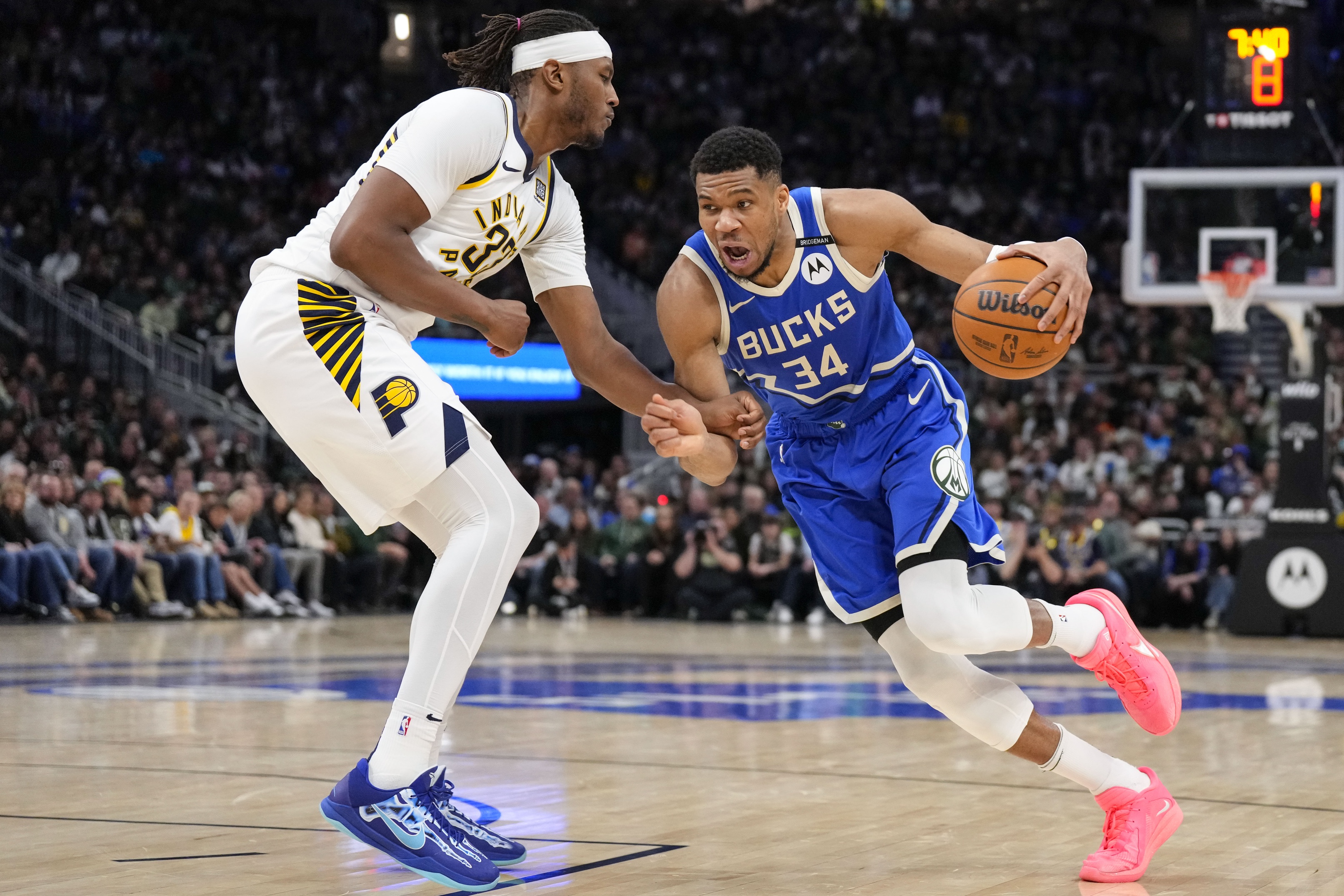
The Analysis: The Eastern Conference champs have sat out the offseason thus far, minus a couple of smaller moves at the NBA Draft. And, of course, they lost Myles Turner to the Bucks. That leaves a hole at the center position that Indiana needs to fill.
-
Spending Power Remaining: $14.1 million of Non-Taxpayer MLE. With Myles Turner out of the mix, the Pacers can spend the entire Non-Taxpayer MLE and still stay under the luxury tax line. They tried to sign Deandre Ayton once before. Could a re-do be in the cards?
Miami Heat
-
The Moves: re-signed Davion Mitchell, acquired Simone Fontecchio
-
The Analysis: The Heat have been pretty quiet so far. They got Davion Mitchell back in the fold for a good value. Signing-and-trade Duncan Robinson for Simone Fontecchio brought back an interesting forward to throw into the mix. The difference between the salary Robinson was supposed to be on before he opted for free agency vs the $8.3 million Fontecchio makes opened up a lot of flexibility for the Heat.
-
Spending Power Remaining: $5.7 million of Taxpayer MLE. The Heat could still angle to use the full Non-Taxpayer MLE, but aren’t likely to want to go into the tax or to trigger a first-apron hard cap. With a pretty full roster, Miami could pick off a value signing with the Taxpayer MLE and still stay under the tax line.
Milwaukee Bucks
-
The Moves: signed Myles Turner and Gary Harris, re-signed Bobby Portis, Kevin Porter Jr., Gary Trent Jr. and Tauren Prince, acquired Vasilije Micic
-
The Analysis: Wow! The Bucks came out of nowhere with the signing of Myles Turner. It cost Damian Lillard and $22.5 million in dead salary for each of the next five seasons, but it was a huge upgrade for Milwaukee. Turner is a younger version of Brook Lopez, meaning he should fit in just fine next to Giannis Antetokounmpo. The Bucks also re-signed four key free agents in Bobby Portis, Kevin Porter Jr., Gary Trent Jr. and Taurean Prince. In addition, they picked up Gary Harris, who gives them more backcourt depth. Next up, finding some additional point guard depth to round out the roster.
-
Spending Power Remaining: TBD. The Bucks are still piecing together their moves. They’ll be a cap space team, but just how much of the $8.8 million Room Exception will be left over remains to be seen. It won’t likely be much. That would leave mostly minimum contracts for Milwaukee from here on out.
New York Knicks
-
The Moves: signed Jordan Clarkson, signed Guerschon Yabusele
-
The Analysis: With limited assets, the Knicks did well to add depth. They’re adding Jordan Clarkson for the minimum when he clears waivers. That’s a great depth pickup for New York, who can use a bit more scoring off the bench. Up front, New York spent the Taxpayer MLE on Guerschon Yabusele. He’ll be a really good fit in the frontcourt mix with his versatile skillset.
-
Spending Power Remaining: Minimum contracts. The Knicks are working against a second-apron hard cap after using the Taxpayer MLE. They’ll figure that out with a couple more moves.
Orlando Magic
-
The Moves: traded for Desmond Bane, signed Tyus Jones
-
The Analysis: The Magic trade for Desmond Bane feels like it happened forever ago, but that doesn’t make it any less impactful. Bane solves so many issues for Orlando, and the deal didn’t significantly weaken the rotation either. Adding Tyus Jones gives the team an experienced ballhandler for the backcourt too.
-
Spending Power Remaining: Minimum contracts. The Magic are a touch under the luxury tax. They could still use a chunk of the Non-Taxpayer MLE, but that would trigger a first-apron hard cap. Instead, expect Orlando to focus on re-signing Moe Wagner and Caleb Houstan, while keeping the tax bill as low as possible.
Philadelphia 76ers
-
The Moves: signed Trendon Watford, re-signed Justin Edwards and Eric Gordon
-
The Analysis: Philadelphia is working around some tight margins this summer. They did a good job getting Trendon Watford for the minimum, while also re-signing Justin Edwards and Eric Gordon. They’ll likely re-sign Quentin Grimes eventually too.
-
Spending Power Remaining: Minimum contracts. Philadelphia could possibly use the $5.7 million Taxpayer MLE, but that would cause a second-apron hard cap. That makes things really tight, considering Quentin Grimes is likely to re-sign for somewhere between $15 and $20 million.
Toronto Raptors
-
The Moves: signed Sandro Mamukelashvili, re-signed Garrett Temple
-
The Analysis: Toronto has mostly sat out the free agency period. Sandro Mamukelashvili was a nice flyer for the frontcourt. He has offensive talent. Re-signing Garrett Temple was a locker room vet move. The main reason for the quiet offseason is that the Raptors made a pretty big pre-agency move by trading for, then extending, Brandon Ingram last season.
-
Spending Power Remaining: Minimum contracts. The Raptors are actually a touch over the tax line. They likely won’t finish there, so some minor moves are probably coming to dodge the tax. The roster is also full, so don’t expect more than camp deals from here on out.
Washington Wizards
-
The Moves: acquired C.J. McCollum and Kelly Olynyk
-
The Analysis: Washington traded for a couple more vets in C.J. McCollum and Kelly Olynyk, while moving off long-term money. Those two additions have the Wizards with a pretty full roster. More trades could come, because all of Washington’s vets on expiring deals and not likely to be a part of the long-term future.
-
Spending Power Remaining: $14.1 million of Non-Taxpayer MLE. Washington could use the NTMLE, but they aren’t likely to. That’ll be a tool that they’ll carry into the regular season.
Spotrac audited the NWSL’s 2026 free agency list that was published today against the publicly announced contracts/options and there are two buckets of players— players which are not on there (and should be), and the players with 2026 options who are there.
Players not present with either options of expiring contracts:
- Emmie Allen - Bay FC
- Last contract: Through 2025
- Joelle Anderson - Bay FC
- Last contract: Through 2025
- Tess Boade - Bay FC
- Last contract: Through 2025
- Maddie Moreau - Bay FC
- Last contract: Through 2025
- Jamie Sheperd - Bay FC
- Last contract: Through 2025, 2026 option
- Riley Jackson - North Carolina Courage
- Last contract: Through 2025, 2026 option
- Sofia Cedeno - Seattle Reign
- Last contract: Through 2025, loaned to USL Super League side Brooklyn FC through June 2025
- Brecken Mozingo - Utah Royals
- Last contract: Through 2025
- Anna Moorhouse - Orlando Pride
- Last contract: Through 2025
Players with options but not marked as options in the league’s list:
- Alanna Kennedy - Angel City
- Last contract: Mutual option for 2026
- Miyabi Moriya - Angel City
- Last contract: Club option for 2026
- Princess Marfo - Bay FC
- Last contract: Club option for 2026
- Jordan Brewster - Bay FC
- Last contract: Club option for 2026
- Ally Schlegel - Chicago Stars
- Last contract: Club option for 2026
- Kristen Hamilton - Kansas City Current
- Last contract: Mutual option for 2026
- Jereko - Kansas City Current
- Last contract: Club option for 2026
- Victoria Pickett - North Carolina Courage
- Last contract: Mutual option for 2026
- Tyler Lussi - North Carolina Courage
- Last contract: Mutual option for 2026
- Morgan Gautrat - Orlando Pride
- Last contract: Mutual option for 2026
- Claudia Zornoza - Utah Royals
- Last contract: Club option for 2026
- Last contract: Club option for 2026