


.png)


 NEWS
NEWS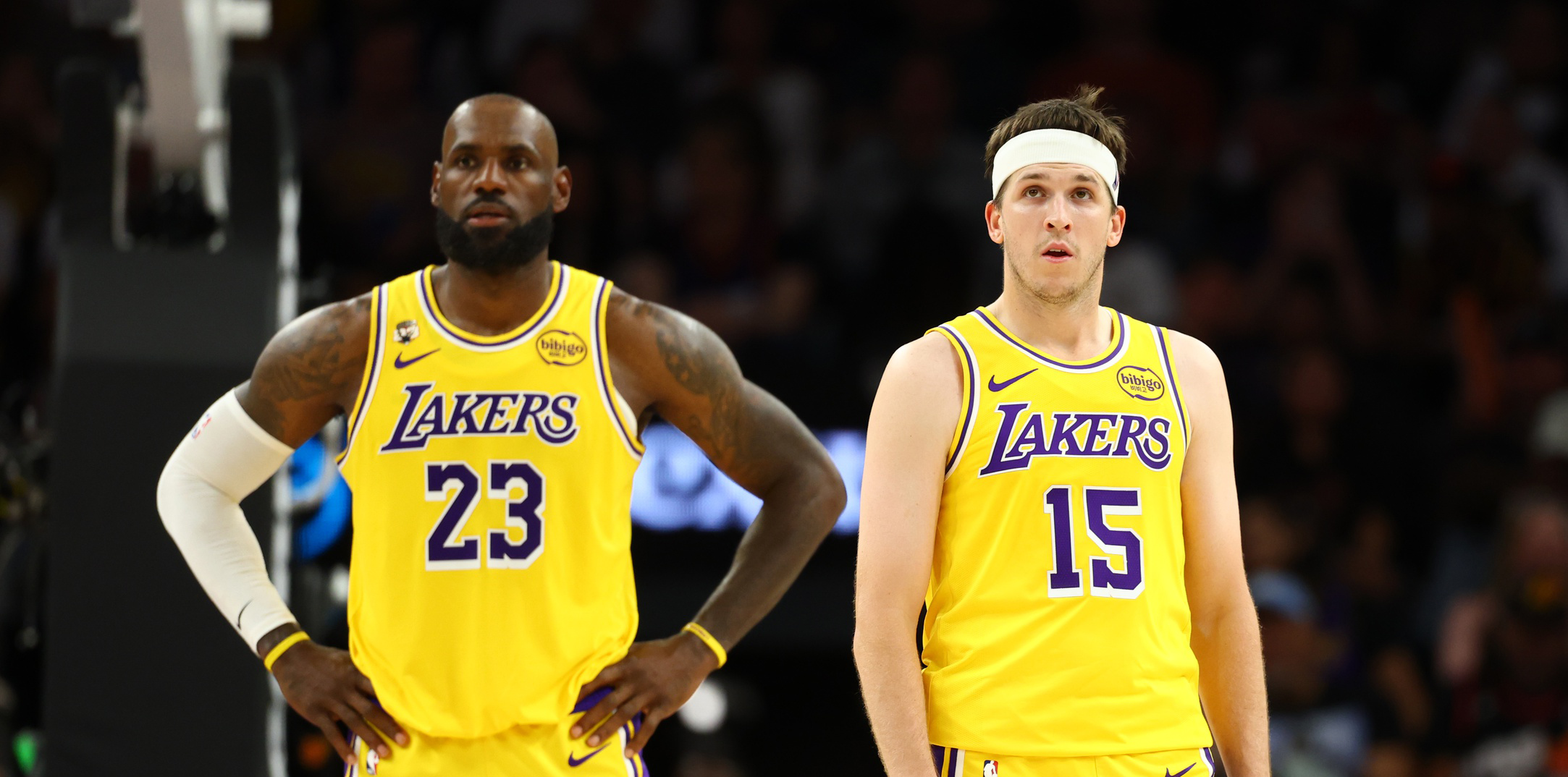 © USA Today Sports
The 2025-26 NBA transaction periods are behind us. The trade deadline saw a ton of massive movement, as several teams elected to go the pre-agency route. Those moves saw a lot of potential 2026 spending power evaporate around the NBA.
We’ll likely see a handful of veteran extensions that will get done before the end of the season. But, with most of the roster movement behind us for the time being, it’s time to look forward!
The General 2026 Offseason Landscape
The 2025 offseason saw the Brooklyn Nets as the only true cap space team. The Memphis Grizzlies and Milwaukee Bucks also went the cap-space route, but for direct reasons to renegotiate-and-extend Jaren Jackson Jr. and to sign Myles Turner in free agency, respectively.
This coming offseason looks like a bit of a return to form. While some teams used their spending power by taking on long-term money in trades, a couple of others opened up the ability to have a lot of cap space. This includes some marquee markets, which should make for an interesting summer.
After a bit of a worry that the cap might not increase as much as hoped for, the NBA’s last protection nudged the numbers up to a bit. Here are the current projected lines of note for the 2026-27 season:
-
Salary Cap: $166 million
-
Salary Floor: $149.4 million
-
Luxury Tax: $201.7 million
-
First Apron: $210.3 million
-
Second Apron: $223.1 million
Here are the projected signing exception amounts for the 2026-27 season:
-
Room Exception: $9.4 million (team has access if they are a cap space team)
-
Non-Taxpayer MLE: $15.1 million (using triggers a first-apron hard cap)
-
Taxpayer MLE: $6.1 million (using triggers a second-apron hard cap)
-
Bi-Annual Exception: $5.5 million (using triggers a first-apron hard cap)
Right now, we project three teams to have a cap space, with two others as potential cap space teams. A handful more could join them, but seem most likely to operate as over-the-cap teams. But here’s what really matters when it comes to projected 2026 cap space, and it’s twofold:
First, we’re talking significant cap space available this summer. The three likely cap space teams are in range to offer max deals to free agents. That’s huge for potential movement.
Second, and even more crucial, some of the NBA’s glamour teams are on here. When the Los Angeles Lakers have space, things tend to happen. The Chicago Bulls project to have cap space, and they’ve been active with space before. Then, you have the rebuilding Brooklyn Nets, who have sent some signals they intend to take steps forward this year.
Now, to be fair, it’s not exactly a marquee free agent class. That’ll more likely come in 2027. But there are a handful of big-name players who could hit free agency next summer. There are also several potential interesting restricted free agents that cap space teams could pursue.
And, as always, a weaker free agent class doesn’t mean having spending power is useless. With the Apron Era fully upon us, NBA teams are embracing creativity with their rosters more than ever. Trades will always be a factor, and having cap space makes you a more available trade partner than a team that is over the cap.
With all that said, here’s how things look today for 2026 spending power around the NBA!
(Note: These projections are made using the noted cap and tax figures above, draft pick cap holds based on ESPN’s BPI projected standings and a projection on all option and guarantee decisions by players and teams. No extensions or trades have been projected. We will call out where those types of situations could impact a team projection.)
Cap Space Teams – 3 Teams
-
Chicago Bulls: $63.5 million
-
Los Angeles Lakers: $48.4 million
-
Brooklyn Nets: $46.9 million
Three big markets with enough cap space to chase a max player or to go after several players to fill out their roster. Of course, the Lakers are readymade contenders, while the Bulls and Nets are a lot further away.
Chicago set a full rebuild in motion with their trade deadline moves. They moved off pending free agents in Nikola Vucevic, Coby White and Ayo Dosunmu. The only long-term money the Bulls took on was for Rob Dillingham, who is still on his rookie scale deal. That’s left a roster with some intriguing young talent, but a with a lot of holes to fill. Fortunately, Chicago should have plenty of cap space to work with as far as filling those roster holes.
In order for the Lakers to get here with cap space, they’ll have to cut ties with LeBron James. Or, of course, James could make that decision for Los Angeles by retiring, or by choosing to move to another team. This would also mean clearing the books of every other free agent, minus Austin Reaves’ cap hold, and Deandre Ayton and Marcus Smart opting in. But that doesn’t mean all of the other Lakers would be gone. They’d just take care of them using cap space or the Room Exception. Or, as we’ve seen before, that cap space could be used to get a co-star for Luka Doncic and Reaves.
The Nets are very likely to have significant cap space for a second straight summer. Some of this could go toward retaining their own free agents again (Day’Ron Sharpe and Ziaire Williams both have pending team options), but Brooklyn will have lots of room to again act as a clearing house for unwanted salaries for tax and apron teams. Just send some draft picks or young talent with those undesirable deals. The Nets also don’t have control over their own pick for the 2027 or 2028 drafts. That could signal a team that is ready to spend to move the roster forward. Look for a measured approach to spending, as opposed to an all-in one.
Swing Cap Space and Non-Taxpayer Mid-Level Exception Teams – 2 Teams
-
Atlanta Hawks - up to $32.9 million in cap space
-
Detroit Pistons - up to $27.9 million in cap space
Atlanta is more likely to go the cap space route than Detroit. The Hawks could also keep C.J. McCollum via an extension, and could pick up their team option for Jonathan Kuminga. Both have proven to be good fits around the Hawks locked-in core group. If McCollum and Kuminga stick in Atlanta, the Hawks will operate over-the-cap, but with the Non-Taxpayer MLE.
The Pistons probably won’t go the cap space route. That would mean clearing the books of a lot of guys who are rotation players. Instead, expect Detroit to stay over the cap, but to still have enough room to use the Non-Taxpayer MLE to bring in some talent. Life is good for the league’s most pleasant surprise.
Non-Taxpayer Mid-Level Exception Teams – 10 Teams
-
Charlotte Hornets
-
Dallas Mavericks
-
LA Clippers
-
Memphis Grizzlies
-
Milwaukee Bucks
-
New Orleans Pelicans
-
Portland Trail Blazers
-
San Antonio Spurs
-
Utah Jazz
-
Washington Wizards
As per usual, this group features a mix of title contenders, playoff contenders and rebuilding teams.
You have playoff contenders like Charlotte, LA, Portland and San Antonio. They’re in good shape to add a player or two to their rotations, even if they re-sign a few key free agents.
The Mavericks and Bucks are both kind-of, sort-of, semi-rebuilding. Because of Cooper Flagg and Kyrie Irving in Dallas, and Giannis Antetokounmpo in Milwaukee, both of these teams could easily add to aid in a playoff chase next season. And, of course, the ever-present trade swirl around Antetokounmpo will be a thing until it isn’t.
The Pelicans are playing pretty good basketball when they’ve been healthy this season. They’ve got most of their guys coming back. They could be a team that goes into next season thinking playoffs, but it’s less of a sure thing than the Mavs or Bucks are.
The Grizzlies are closer to fully rebuilding than the other teams in this group. They’re likely to look at moving Ja Morant, which could even put Memphis in position to have cap space. But that doesn’t seem overly likely. Bet on a slower-and-steadier rebuild for Memphis.
The Jazz and Wizards both went the pre-agency route. Utah added Jaren Jackson Jr, while Washington traded for Anthony Davis and Trae Young. Both teams think that adding veterans to their younger core players will push them into playoff contention next season. That should see both teams looking to add talent via the Non-Taxpayer MLE.
Swing Non-Taxpayer Mid-Level Exception Teams and Taxpayer Mid-Level Exception Teams – 5 teams
-
Boston Celtics
-
Miami Heat
-
Philadelphia 76ers
-
Phoenix Suns
-
Toronto Raptors
These five teams are all playoff contenders, with Boston being a title contender.
The Celtics and Suns both went all the way from the second apron to out of the tax entirely. They took drastically different routes, as Boston traded away most of their players, while Phoenix made a few trades and also waived-and-stretched Bradley Beal. But both are now in great shape. Their rosters are solid, and both could have some spending power this summer. The difference between having the NTLME and Taxpayer MLE will come down to re-signing some key free agents, including Nikola Vucevic for the Celtics and Mark Williams for the Suns.
Miami’s spot here is largely about how much they re-sign Norman Powell for this summer. Powell has been terrific for the Heat. If that contract comes in really high, the Heat will be looking at the Taxpayer MLE. If Miami can get Powell on even a bit of a discount, they could have the full Non-Taxpayer MLE.
Philadelphia has three guys on max deals, plus some key free agents. If they re-sign players like Kelly Oubre Jr. and Quentin Grimes, they’ll be a tax team and maybe able to use the Taxpayer MLE. If those players walk, the Sixers will be able to use the full Non-Taxpayer MLE.
The Raptors are kind of on the other end. They’re more likely to be restricted to the Taxpayer MLE, but they could make a move or two to free up some additional spending power. Look for Toronto to use at least some of the Non-Taxpayer MLE to re-sign Sandro Mamukelashvili, who has become a key rotation player for the Raptors.
Taxpayer Mid-Level Exception Teams – 3 teams
-
Golden State Warriors
-
Houston Rockets
-
Minnesota Timberwolves
Golden State could get themselves into range to use the Non-Taxpayer MLE. However, that seems unlikely. The more likely path is to re-sign Kristaps Porzingis on a short-term deal, while also bringing back a few other free agents. That should leave enough room to use the Taxpayer MLE, while staying under the second apron.
The Rockets have a bit of flexibility, but they’d presumably like to re-sign Tari Eason. That means it could be tight to use even the Taxpayer MLE while filling out the roster. Maybe a move to shed some salary to free up flexibility could be in the cards here.
Minnesota’s team salary should come down enough that they’ll be able to use the Taxpayer MLE. They might even be able to use a chunk of the Non-Taxpayer MLE, but that doesn’t seem very likely, assuming the Wolves re-sign Ayo Dosunmu. They should still be able to add a helpful player either way.
Swing Taxpayer Mid-Level Exception Teams and Second Apron Teams – 7 teams
-
Cleveland Cavaliers
-
Denver Nuggets
-
Indiana Pacers
-
New York Knicks
-
Oklahoma City Thunder
-
Orlando Magic
-
Sacramento Kings
These are some of the best teams in the NBA. All are playoff contenders, with a few being top-tier title contenders, minus one notable exception.
The Cavs got off money in a series of deals at the deadline. Now, they should be able to stay under the second apron next season, while still maintaining a high-end roster.
Denver doesn’t have a lot of flexibility. If they re-sign Peyton Watson, they’ll be well over the second apron. If Watson walks, the Nuggets could finagle a little flexibility to use the Taxpayer MLE. Look Denver to try and move off some money to free up some flexibility.
Indiana likely won’t end up this expensive by the 2027 trade deadline, but they may start the year out as a very expensive team as they gear up to be a contender again. The biggest thing pushing the Pacers up near the second apron? Having a top-three projected pick in the 2026 NBA Draft. Look for some rebalancing to happen, but it may be in-season before Indiana can avoid the tax yet again.
The Knicks projection is wholly dependent on what happens with Mitchell Robinson. If Robinson re-signs, New York is a second-apron team. If Robinson walks, the Taxpayer MLE could be used to replace him.
The Thunder will have some form of roster transition this offseason. The team again has a multiple first-round draft picks coming (two or three, depending on where the Jazz land), and their roster remains mostly full. They’ve also got a handful of potential major free agents. If OKC re-signs everyone, they’ll probably be a second-apron team. But they’ve got moves to make to keep the core together without spending getting out of hand. Life remains very good for the Thunder, and very scary for the rest of the NBA.
Orlando has added a lot of long-term money to the books through extensions and trades. They could free up some flexibility by shedding some salary, but this team is still going to be pretty expensive. There’s even the possibility of going over the second apron, but don’t expect the Magic to go quite that far. Not until they prove they can be a Finals contender.
Then we have Sacramento. As it stands today, the Kings are over the first apron. Some of that is driven by having a projected top-three pick in the 2026 NBA Draft (a good thing), but most is by having a bloated payroll (a bad thing). Look for trades to be the way for Sacramento, as a team that is clearly starting a new rebuild can’t stay this expensive.
Second Apron Teams (no signing exceptions) – 0 Teams
The Cleveland Cavaliers and Dallas Mavericks both got off enough salary at the trade deadline that they are no longer locks to start the summer over the second apron. This is yet another sign that the second-apron restrictions and penalties are making teams thinking twice around spending over the prohibitive barrier.
 © USA Today Sports
 © USA Today Sports
 © USA Today Sports


