Taylor VincentFebruary 27, 2026
© USA Today Sports

With the regular season kicking off in two weeks, here’s a look back at the most surprising NWSL trades of the offseason:

Even with the new CBA forcing player approval of trades, there was no downturn in the offseason trades and in fact there was a significant increase in the transfer fees/allocation funds  involved between clubs. 

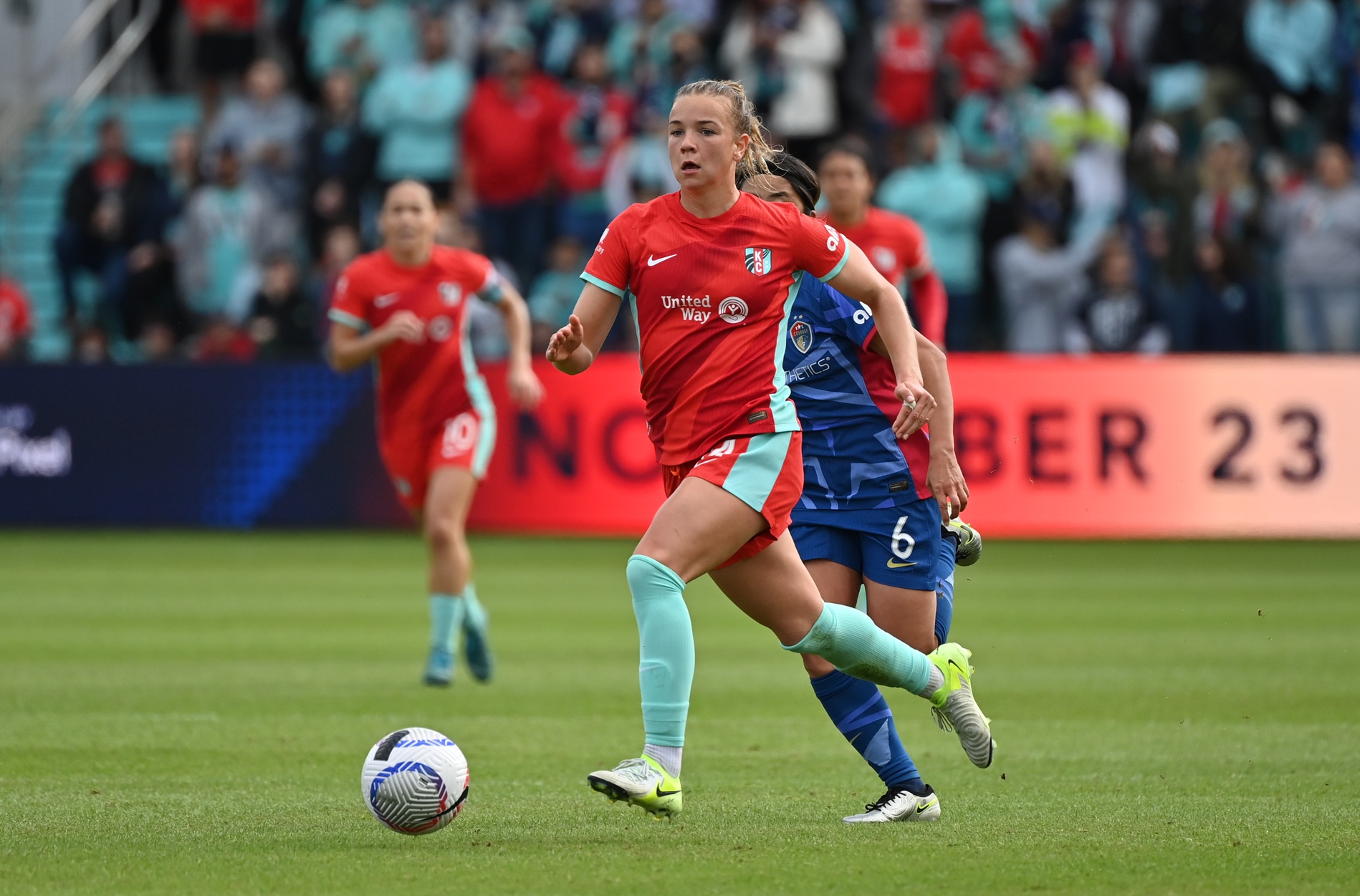
1. Claire Hutton traded to Bay FC

Surprising because: Hutton has been pivotal in the Kansas City midfield, playing the fourth most minutes of any field player in both 2024 and 2025. Although only 20 years old, the midfielder was positioned to be one of the long-term franchise players for the Current and additionally has 13 caps for the USWNT. In 2025, she was named to the NWSL Best XI First Team and was a finalist for NWSL Midfielder of the Year.

2. Croix Bethune traded to Kansas City

Surprising because: Bethune came off a record breaking rookie season in 2024 that ended early after a torn meniscus following the summer Olympic break and returned from the SEI list ahead of the season starting. Even with only a partial season played, she still tied the league record for the most assists in a season and won NWSL Rookie of the Year. She battled with a hip injury for the first few matches of the season but still played in 20 matches for the Spirit with 16 starts. She also scored in the semifinal win over the Portland Thorns to help Washington secure a spot in its second straight championship final. She was tabbed to the NWSL Best XI Second Team at the end of the 2025 campaign. 

3. Ludmila traded to San Diego

Surprising because: Ludmila was Chicago’s leading goalscorer last year with 10 goals (nearly ⅓ of all of the Stars goals scored). She played in 24 games and started in 21. A potential argument for the trade could be that Mal Swanson is coming back from maternity leave this year, and when the two forwards were both on the pitch together at the end of 2024 there wasn’t really chemistry. However, there has not yet been a timeline for Swanson’s return to play in 2026 and so a once again rebuilding Chicago will be relying on people to step up if they don’t want the start of the 2026 season to match 2025 where they finished at the bottom of the table. 

4. Emily Sams traded to Angel City

Surprising because: Since joining the league in 2023 Sams has been a lynchpin in the Orlando defense. In her three seasons, she led the field players in minutes played all three years, and won NWSL Defender of the Year in 2024 when Orlando won both the NWSL Shield and NWSL Championship. Additionally, just a year ago, the Pride signed Sams to a new three-year extension through 2027. 

5. Narumi Miura traded to Utah

Surprising because: Narumi had three assists in her 20 games started for the Spirit last season. Miura signed a two-year contract with Washington in December 2024 as a free agent after two seasons with the Courage. Even more surprising about the move is that although the Japanese midfielder had occupied an INTL spot initially in 2025, the Utah preseason roster release informed us that Miura received a green card while with the Spirit and so her trade did not help the Spirit in their current position of too many players who occupy an INTL spot on the 2026 roster compared to the spots they have. 

Michael GinnittiFebruary 25, 2026

A look at the current Average Salary % of League Salary Cap leaders, and what that would translate to in the current salary cap climate. Note, this metric is calculated by dividing a player’s average salary into the total league salary cap in the year that the contract was signed. For 2026, Spotrac is currently projecting a $303,450,000 league cap.

RELATED: APY % of Cap Rankings

POSITION CURRENT APY% LEADER EXPECTED 2026 APY
Quarterback Joe Burrow, 24.47% $74,254,215
Running Back Christian McCaffrey, 7.44% $22,576,680
Wide Receiver Ja'Marr Chase, 14.42% $43,757,490
Tight End T.J. Hockenson, 7.34% $22,273,230
Offensive Tackle Laremy Tunsil, 11.12% $33,743,640
Guard Quenton Nelson, 9.61% $29,161,545
Center Elgton Jenkins, 8.17% $24,791,865
Defensive Lineman Chris Jones, 12.43% $37,718,835
Edge Defender Micah Parsons, 16.65% $50,524,425
Linebacker Roquan Smith, 8.9% $27,007,050
Cornerback Ahmad Gardner, 10.78% $32,711,910
Safety Derwin James, 9.19% $27,887,055
Kicker Harrison Butker, 2.51% $7,616,595
Punter Jack Fox, 1.69% $5,128,305
Long Snapper Luke Rhodes, 0.72% $2,184,840
Bella MunsonFebruary 21, 2026

As the scheduled start of the 2026 WNBA season looms ever closer, the WNBA and WNBPA have finally been exchanging proposals at a quicker pace after a long standstill. The players' association’s most recent proposal was sent to the league on Tuesday, and the league responded with its own on Friday after calling the players’ proposal “unrealistic.” The league’s most recent proposal made concessions on player housing, but mainly remained unchanged on revenue sharing, The Athletic reports.

The league’s proposal includes a salary cap of $5.65 million for the 2026 season, the same figure as its prior offer. The WNBA adjusted its calculation of expenses in its proposal to slightly increase the players’ portion of net revenue, but the players would still receive about 15% of gross revenue over the length of the deal. 

This proposed percentage is still far off from the union’s latest proposal, which would give an average of 27.5% of gross team and league revenue to the players. And it is far less than the 50% per season figure most U.S. men’s leagues operate with. We previously broke down the revenue sharing debate, explaining the system change the players are requesting and looking at comparable systems across U.S. sports leagues. 

But the WNBA reportedly called that proposal “unrealistic” and claimed it would result in $460 million in losses over the life of the agreement. How that number was calculated is unclear, and WNBPA executive director Terri Jackson disputed the league’s characterization of their proposal.

“What we have proposed is very realistic. What the league and the teams have done is played games,” Jackson wrote to players.

The league made some changes in its latest proposal in response to player concerns about housing for players on cheaper and short-term contracts, particularly in the more expensive markets like New York and Golden State. In the new proposal, all players would be guaranteed team housing in 2026. In 2027 and 2028, only players on minimum salaries or those with no years of service would be provided housing. After that, the housing benefit would end for all but developmental players, who would be provided studio apartments for the entirety of the agreement. The WNBA’s latest proposal also increased employer contributions to the players’ 401k accounts and increased the benefit for retired players.

Other items changed from the expiring CBA that remain in the league’s newest proposal include: two developmental player spots, new minimum facility standards, increased team staffing requirements, a seventh guaranteed contract per team (there are currently six), codified charter travel and more performance bonuses for postseason awards and playoff series wins.

Both sides are increasingly worried about whether the season will start on time. The WNBA still needs to conduct a two-team expansion draft, unprecedently large free agency period (where all but two veteran players are currently free agents), a college draft and training camp before tipping off the season on May 8. 

If an agreement is not reached soon, players were told that ESPN will begin to re-evaluate the WNBA’s 2026 television windows. Preseason games can be dropped and free agency drastically shortened, but once regular-season games are missed, they are unlikely to be made up due to a lack of arena availability. Right now, no one knows when these negotiations will finally be concluded, but everyone recognizes that sooner is better.

Taylor VincentFebruary 20, 2026
© USA Today Sports

The NWSL teams kicked off preseason a little over a month ago,next week will be required to get rosters down to the 32-player limit, and in less than a month teams will be playing their season openers. Here’s a look at how teams’ preseason rosters currently look. 

Glossary

INTL - Occupies International spot
NRI - Non-Rostered Invitee
STR - Short Term Injury Replacement/Short Term Contract
Non-Active Roster Designations
SEI - Season-Ending Injury
LOAN - Player Loaned out from club
ML - Maternity Leave

Angel City FC

Goalkeepers (3): Angelina Anderson, Faith Nguyen, Hannnah Seabert 

Defenders (7): Karsyn Cherry, Sarah Gorden, Savy King, Sophia Mattice, Emily Sams, Evelyn Shores, Gisele Thompson

Midfielders (6): Ary Borges (INTL), Kennedy Fuller, Carina Lageyre, Maiara Niehues (INTL), Nealy Martin, Hina Sugita (INTL)

Forwards (8+1): Prisca Chilufya (INTL), Claire Emslie (ML), Jun Endo (INTL), Sveindís Jónsdóttir (INTL), Sydney Leroux (Excused Absence), Maithé López (INTL, LOAN), Casey Phair, Taylor Suarez, Riley Tiernan

Bay FC

Goalkeepers (2+1) – Emmie Allen, Camryn Miller (NRI), Jordan Silkowitz

Defenders (7+3) – Sydney Collins, Brooklyn Courtnall, Abby Dahlkemper (ML), Caprice Dydasco (ML), Heather Gilchrist, Kelli Hubly, Alyssa Malonson, Emily Menges (ML), Maddie Moreau, Anouk Denton

Midfielders (7) – Joelle Anderson, Dorian Bailey, Hannah Bebar, Caroline Conti, Taylor Huff, Jamie Shepherd, Claire Hutton

Forwards (7) – Tess Boade, Onyeka Gamero, Penelope Hocking, Racheal Kundananji (INTL), Karlie Lema, Alex Pfeiffer, Keira Barry

Boston Legacy

Goalkeepers (3): Laurel Ivory, Casey Murphy, Hannah Stambaug

Defenders (7): Laurel Ansbrow, Laís Araújo (INTL), Jorelyn Carabalí (INTL), Emerson Elgin, Nicki Hernandez, Kaká (INTL), Bianca St-Georges

Midfielders (7): Alba Caño (INTL), Aleigh Gambone, Annie Karich, Sophia Lowenberg, Barbara Olivieri, Chloe Ricketts, Josefine Hasbo (INTL)

Forwards (7): Amanda Allen, Amanda Gutierres (INTL), Fauzia Najjemba (INTL), Nichelle Prince, Sammy Smith, Ella Stevens, Aïssata Traoré (INTL)

Chicago Stars

Goalkeepers (4): Katie Lund, Halle Mackiewicz, Mackenzie Wood, Alyssa Naeher 

Defenders (7+2): Michelle Alozie, Samantha Angel, Elise Evans, Kathrin Hendrich (INTL), Natalia Kuikka (SEI - INTL), Mackenzie Malham (NRI), Taylor Wood, Sam Staab, Aaliyah Farmer  

Midfielders (8+2): Tessa Dellarose, Emma Egizii, Bea Franklin, Julia Grosso (INTL), Hannah Gryzik (NRI), Manaka Hayashi (INTL), Maitane (INTL), Morgan McDonald (NRI), Leilanni Nesbeth, Brianna Pinto 

Forwards (6+2): Jenna Bike, Ivonne Chacón (INTL), Ryan Gareis, Nádia Gomes, Micayla Johnson, Jameese Joseph, Maya Matesa (NRI), Mallory Swanson (ML)

Denver Summit

Goalkeepers (3): Abby Smith, Jordan Nytes, Pauline Peyraud-Magnin (INTL)  

Defenders (6):  Megan Reid, Kaleigh Kurtz, Natalie Means, Ayo Oke, Carson Pickett, Camryn Biegalski

Midfielders (6+1): Devin Lynch, Emma Regan (INTL), Lindsey Heaps (June arrival), Yuna McCormack, Jordan Baggett, Lourdes Bosch, Eva Gaetino,   

Forwards (8): Janine Sonis, Ally Brazier, Jasmine Aikey, Melissa Kössler (INTL), Natasha Flint, Olivia Thomas, Nahikari Garcia, Faith Webber

Gotham FC

Goalkeepers (4): Ann-Katrin Berger, Ryan Campbell, Shelby Hogan, Teagan Wy

Defenders (5+2): Bruninha, Jess Carter, Tierna Davidson (SEI), Mandy Freeman, Kat Jordan (NRI), Lilly Reale, Emily Sonnett

Midfielders (8+1): Sofia Cook, Jaelin Howell, Rose Lavelle, Savannah McCaskill, Stella Nyamekye, Sarah Schupansky, Jaedyn Shaw, Talia Sommer, Taryn Torres (SEI)

Forwards (7): Princess Ademiluyi (LOAN), Esther González, Khyah Harper, Andrea Kitahata, Gabi Portilho, Midge Purce, Mak Whitham, Jordynn Dudley

Houston Dash

Goalkeepers (3+1): Hillary Beall, Liz Beardsley (LOAN), Jane Campbell, Caroline DeLisle, Batoul Reda (NRI)

Defenders (7+2): Natalie Bain (NRI), Malia Berkely, Lisa Boattin (INTL), Allysha Chapman, Cate Hardin (NRI), Leah Klenke, Paige Nielsen, Avery Patterson, Christen Westphal, Zoe Matthews (LOAN), Jyllissa Harris (LOAN)

Midfielders  (6+1): Danielle Colaprico, Maggie Graham, Sarah Puntigam, Sophie Schmidt (SEI), Delanie Sheehan, Linda Ullmark, Kiki Van Zanten

Forwards (7+2): Messiah Bright, Evelina Duljan (INTL), Kate Faasse, Sarah Foley (NRI), Clarissa Larisey (INTL), Kat Rader, Makenzy Robbe, Yazmeen Ryan, Amanda West (INTL, SEI)

KC Current

Goalkeepers (2+2): Katie Cappelletti (NRI), Clare Gagne (SEI), Marisa Jordan, Lorena (INTL)

Defenders (9+2): Elizabeth Ball, Ellie Bravo-Young, Meila Brewer, Alana Cook (SEI), Sydney Jones (NRI), Gabrielle Robinson, Izzy Rodriguez, Laney Rouse, Katie Scott, Kayla Sharples, Kolo Suliafu

Midfielders (4+2): Kelsey Branson (NRI), Vanessa DiBernardo (ML), Lo’eau LaBonta, Rocky Rodríguez, Croix Bethune, Ally Sentnor

Forwards (5+4): Kyra Carusa (NRI), Temwa Chawinga (SEI, INTL), Kayla Colbert (NRI), Michelle Cooper (SEI), Debinha, Haley Hopkins, Mary Long, Gianna Paul, Amelia White

NC Courage

Goalkeepers (3+1): Erin McKinney (NRI), Molly Pritchard, Kailen Sheridan, Madi White

Defenders (7+3): Maycee Bell, Cameron Brooks, Natalie Jacobs, Brooke Miller (NRI), Katana Norman (NRI), Felicitas Rauch, Sydney Schmidt, Natalia Staude, Ryan Williams, Ivy Younce (NRI)

Midfielders (7): Riley Jackson, Shinomi Koyama (INTL), Manaka Matsukubo (INTL), Oli Peña, Ashley Sanchez, Dani Weatherholt, Carly Wickenheiser

Forwards (7+1): Hannah Betfort, Evelyn Ijeh (INTL), Payton Linnehan, Chioma Okafor (INTL), Ally Schlegel, Lauryn Thompson, Cortnee Vine (INTL), Olivia Wingate (SEI)

Orlando Pride

Goalkeepers (3+2): Anna Moorhouse, Cara Martin, Kat Asman (LOAN-JUN), McKinley Crone (LOAN-JUN), Cosette Morche 

Defenders (7+1): Kylie Nadaner (ML), Rafaelle, Hailie Mace, Cori Dyke, Zara Chavoshi, Oihane (INTL), Nicole Payne, Kerry Abello 

Midfielders (5): Haley McCutcheon, Ally Lemos, Angelina, Luana (INTL), Jacquie Ovalle (INTL), Viviana Villacorta 

Forwards (6+1): Marta, Barbra Banda (SEI, INTL), Julie Doyle, Summer Yates, Solai Washington, Seven Castain, Simone Jackson 

Portland Thorns

Goalkeepers (3): Mackenzie Arnold (INTL), Bella Bixby, Morgan Messner

Defenders (7+5): Carolyn Calzada, Daiane (LOAN-JUL), Sam Hiatt, Mallie McKenzie, Marie Müller (INTL - SEI), Isabella Obaze (INTL), Jayden Perry, Reyna Reyes, M.A. Vignola, Laila Booker (NRI), Sydney Cheesman (NRI), Isabella Yakel (NRI)

Midfielders (5+4): Cassandra Bogere (INTL), Deyna Castellanos, Jessie Fleming (INTL), Shae Harvey, Olivia Moultrie, Hayden Colson (NRI), Riley Gleason (NRI), Jennie Immethun (NRI), Renee Lyles (NRI)

Forwards (6+7): Mimi Alidou (INTL), Julie Dufour (INTL - SEI), Caiya Hanks (SEI), Valerin Loboa (INTL), Maddie Padelski, Alexa Spaanstra, Pietra Tordin, Reilyn Turner, Morgan Weaver (SEI), Sophia Wilson (ML), Mathilde Braithwaite (NRI), Farrah Walters (NRI), Tatum Wynalda (NRI)

Racing Louisville

Goalkeepers (3+3): Jordyn Bloomer, Amanda Poorbuagh (NRI), Maddie Prohaska, Olivia Sekany (STR), Shealyn Vanderbosch (NRI), Cristina Roque (LOAN-JUN)

Defenders (8+1): Macy Blackburn, Avery Ciorbu, Ellie Jean, Mirann Gacioch, Quincy McMahon, Lauren Milliet, Courtney Petersen, Arin Wright, Natalie Mitchell (NRI)

Midfielders (6+1): Savannah DeMelo, Makenna Morris, Taylor Flint, Katie O’Kane, Macey Hodge, Marisa DiGrande, Maddie Pokorny (LOAN-JUN)

Forwards (9): Kayla Fischer, Ella Hase, Rachel Hill, Maja Lardner, Audrey McKeen, Emma Sears, Sarah Weber, Taylor White

San Diego Wave

Goalkeepers (3): Leah Freeman, DiDi Haračić, Luisa Agudelo (INTL)

Defenders (6+3): Daniela Arias (INTL), Trinity Armstrong (SEI), Jordan Brewster (NRI), Nya Harrison, Molly McDougal (NRI), Kristen McNabb, Perle Morroni (INTL), Mimi Van Zanten, Kennedy Wesley

Midfielders (7+1): Kimmi Ascanio, Melanie Barcenas, Gia Corley, Kenza Dali (INTL), Laurina Fazer (INTL), Jordan Fusco (LOAN-JUN), Lia Godfrey, Kiki Pickett

Forwards (4+2): Trinity Byars, Dudinha (INTL) Adriana Leon (INTL), Ludmila (INTL), Kali Kniskern (NRI), Tatum Wynalda (NRI)

Seattle Reign

Goalkeepers (3+1): Claudia Dickey, Cassie Miller (SEI), Evan O’Steen, Neeku Purcell

Defenders (7+1): Ryanne Brown, Jordyn Bugg, Madison Curry, Shae Holmes, Sofia Huerta, Emily Mason, Phoebe McClernon, Vienna Whipple (NRI, U18)

Midfielders (6): Sofia Cedeño, Jess Fishlock, Angharad James-Turner, Ainsley McCammon, Sally Menti, Sam Meza

Forwards (7+4): Emeri Adames, Lynn Biyendolo (ML), Maddie Dahlien, Mia Fishel, Ruby Hladek (NRI), Jordyn Huitema, Maddie Mercado, Nérilia Mondesir, Peyton Parsons (NRI), Brittany Ratcliffe, Chloe Seelhoff (NRI)

Utah Royals

Goalkeepers (3+1): Mandy McGlynn, Mia Justus, DeAira Jackson, Taylor Rath (NRI)

Defenders (6+5): Kate Del Fava, Kaleigh Riehl, Tatumn Milazzo (SEI), Miyabi Moriya, Janni Thomsen (INTL), Nuria Rábano (INTL), Mia Fontana (NRI), Kiki Maki (NRI), Naila Schoefberger (NRI), Kameron Simmonds (NRI), Kameron Simmonds

Midfielders (5+4): Ana Tejada (INTL), Alex Loera (SEI), Aria Nagai, Madison Hammond, Narumi Miura, Noelle Bond-Flasza (NRI), Abby Boyan (NRI), Addy Feldman (NRI, U18), Dayana Pierre-Louis (INTL)

Forwards (8+1): Cloé Lacasse (INTL), Paige Cronin, Brecken Mozingo, Mina Tanaka, KK Ream, Lara Prašnikar (INTL), Cece Delzer, Courtney Brown, Kalea Eichenberger (NRI)

Washington Spirit 

Goalkeepers (4): Kaylie Collins, Aubrey Kingsbury, Sandy MacIver (INTL), Sara Wojdelko 

Defenders (9+1): Rebeca Bernal, Gabby Carle, Lucia Di Guglielmo (INTL), Madison Haugen (STR), Casey Krueger (ML), Paige Metayer, Esme Morgan (INTL), Tara Rudd, Élisabeth Tsé (INTL), Kate Wiesner

Midfielders (4+1): Deborah Abiodun (INTL), Hal Hershfelt, Leicy Santos, Molly Skurcenski (STR), Andi Sullivan (ML), Heather Stainbrook (LOAN) 

Forwards (7+1): Tamara Bolt (INTL), Sofia Cantore (INTL), Emma Gaines-Ramos, Ashley Hatch (ML), Rosemonde Kouassi, Claudia Martínez (INTL), Gift Monday (INTL), Trinity Rodman


Michael GinnittiFebruary 19, 2026

The Miami Dolphins began their push toward cap compliancy this week, releasing WR Tyreek Hill, G James Daniels, and WR Nick Westbrook. The moves collectively opened up over $23M of cap space in 2026, bringing Miami within about $4M of cap neutral.

Hill was released out of a remaining 1 year, $36M, $11M of which was set to guarantee on March 13th. Miami takes on a sizable $28,248,750 dead cap charge per the move, freeing up $22.8M of space in the process.The 31-year-old is recovering from a knee injury suffered during Week 4 of the 2025 season, and will be looking for work from his third NFL team this spring. He holds a $14.4M valuation in our system, with DeAndre Hopkins’ 2-year, $26M deal in Tennessee a strong target.

Daniels just went through his second-straight injury riddled season, missing 17 weeks of 2025 with a pectoral issue. The 28-year-old had 2 years, $15.6M remaining on the contract, and $3.48M of that was set to become guaranteed on March 13th. Instead, the Dolphins take on a $4.8M dead cap charge, which represents a $1.18M loss for the upcoming season.

Westbrook was released out of a remaining 1 year, $2.8M. Miami takes on a $1.6M dead cap charge, freeing up that same amount in cap space. The 28-year-old caught 11 balls in 15 games last season.

Miami appears to be far from done with their roster purge this offseason, with reports regarding OLB Bradley Chubb (release), QB Tua Tagovailoa (trade/release), and S Minkah Fitzpatrick (trade) swirling.

Michael GinnittiFebruary 19, 2026

The Kansas City Chiefs made the first big salary conversion splash of the 2026 offseason, processing a simple (but large) restructure on QB Patrick Mahomes’ contract this past week.

The move converted $44.05M of base salary, plus a $10.4M roster bonus, into a fully guaranteed roster bonus that will be treated as a signing bonus for salary cap purposes. This leads to a cap savings of $43.56M in 2026 for the Chiefs. KC still has work to do however, as they head into the franchise tag window about $14M over a projected $303.45M league salary cap.

The cap conversion provides no change for Mahomes in terms of cash earnings, as the 30-year-old is still set to reel in $56.75M in 2026, tops in the NFL as of now.

Updated Cap Hits, Dead Cap, & Cash Salary


The Chiefs will have the ability to process another simple salary conversion next season, a move that can reduce his cap hit from $85.2M, down to $44.8M (creating over $40M of space).

Dan SoemannFebruary 18, 2026

Super Two is an exemption within the MLB salary arbitration system that allows players to become arbitration-eligible before reaching the standard 3 years of service time if they rank in the top 22% among those with at least 2 years but less than 3 years of service AND have at least 86 days of service the prior season.

Players with this designation receive a fourth year of eligibility and advance their salary progression by a full season, which can add millions in potential earnings during club-controlled seasons.

The service-time amount needed to qualify is not based on a fixed number and varies annually depending on the group of eligible players. The 2026 cutoff was calculated at 2 years and 140 days (2.140) which is the highest since 2012.

(33) players qualified:

Maikel Garcia (3B, Royals) signed a 5 year, $57.5 million extension

T1:    Zach Neto (SS, Angels):  $4,150,000
T1:    Brice Turang (2B, Brewers):  $4,150,000
3:      Mason Miller (RP, Padres):  $4,000,000
4:      Brenton Doyle (OF, Rockies):  $3,100,000
5:      Jake Irvin (SP, Nationals):  $2,800,000
6:      Bryce Miller (SP, Mariners:  $2,437,500  *Salary figures exchanged
7:      Francisco Alvarez (C, Mets):  $2,400,000
8:      Matt McLain (2B, Reds):  $2,300,000
9:      Matthew Liberatore (SP, Cardinals):  $2,260,000
10:    Freddy Fermin (C, Padres):  $2,100,000
11:    Jose Caballero (SS, Yankees):  $2,000,000
12:    Calvin Faucher (RP, Marlins): $1,800,000  *Player lost arbitration hearing
13:    Alex Call (OF, Dodgers):  $1,600,000
14:    Edwin Uceta (RP, Rays):  1,525,000  *Player won arbitration hearing
15:    Nick Allen (SS, Astros):  $1,400,000  *Traded
16:    David Fry (C, Guardians):  $1,375,000
17:    Reed Garrett (RP, Mets):  $1,300,000
18:    Jack Suwinski (OF, Pirates):  $1,250,000
19:    Huascar Brazoban (RP, Mets):  $1,050,000
20:    Matt Festa (RP, Guardians):  $1,000,000
21:    Max Meyer (SP, Marlins):  $980,000
22:    Hayden Wesneski (SP, Astros):  $950,000
23:    Richard Palacios (OF, Rays):  $945,000
T24:  Kevin Kelly (RP, Rays):  $925,000
T24:  Brennan Bernardino (RP, Rockies): $925,000  *Traded
26:    Bennett Sousa (RP, Astros):  $910,000
T27:  Joey Wentz (SP, Braves):  $900,000
T27:  Taylor Trammell (OF, Astros):  $900,000
29:    Cade Cavalli (SP, Nationals):  $862,500  *Salary figures exchanged
30:    Luis Medina (SP, Athletics):  $835,000
31:    Ken Waldichuk (SP, Nationals) $825,000  *Traded
32:    James McArthur (RP, Royals):  $810,000

(3) players missed the Super Two cutoff by one day of service (2.139):
Brandon Williamson (SP, Reds)
Jackson Kowar (RP, Orioles) *Traded
Manuel Rodriguez (RP, Rays)

(2) players had the cumulative service time but played less than 86 games in 2025:
Tommy Nance (RP, Blue Jays)
Austin Warren (RP, Mets)

Dan SoemannFebruary 17, 2026
© USA Today Sports

The qualifying offer is a competitive balance measure that links free agency with draft-pick compensation and penalties.

Teams that want to obtain a compensatory Draft pick for the loss of an impending free agent can offer a one-year contract worth the average salary of the 125 highest-paid players in MLB, which is recalculated annually. Players can choose to accept and sign for the predetermined value or decline and become a qualified free agent.

Qualified free agents who sign elsewhere are attached to compensation and penalties that are determined based on CBT payor and revenue-sharing status:

2026 Team Classifications
CBT payors:  BOS, HOU, LAD, NYM, NYY, PHI, SDP, TEX, TOR
Revenue-sharing recipients:  ARI, ATH, BAL, CIN, CLE, COL, DET, KCR, MIA, MIL, MIN, PIT, SEA, STL, TBR
Others:  ATL, CHC, CHW, LAA, SFG, WSH

Compensation For Losing Qualified Free Agent
CBT payors:  pick after 4th round
Revenue-sharing recipients:  Comp B round if contract is under $50M; between 1st round and Comp A if $50M+
Others:  pick after Comp B round

Penalties For Signing Qualified Free Agent
CBT payors:  2nd, 5th + $1M international; 3rd, 6th for multiple
Revenue-sharing recipients:  3rd; 4th for multiple
Others:  2nd + $500k international; 3rd for multiple

(13) players received a $22.025 million qualifying offer:

(4) accepted:
Trent Grisham (OF, Yankees)
Shota Imanaga (SP, Cubs)
Gleyber Torres (2B, Tigers)
Brandon Woodruff (SP, Brewers)

(9) rejected and became qualified free agents:

(3) re-signed with the same team:
Kyle Schwarber (DH, Phillies) - 5 years, $150 million
Michael King (SP, Padres) - 3 years, $75 million; 2027 player opt-out
Zac Gallen (SP, Diamondbacks) - 1 year, $22.025 million; deferrals

(6) signed with a new team:
Kyle Tucker (OF, Dodgers) - 4 years, $240 million; 2028 player opt-out + deferrals
Dylan Cease (SP, Blue Jays) - 7 years, $210 million; deferrals
Ranger Suarez (SP, Red Sox) - 5 years, $130 million; 2031 mutual option
Bo Bichette (3B, Mets) - 3 years, $126 million; 2027 player opt-out
Framber Valdez (SP, Tigers) - 3 years, $115 million; 2028 player option
Edwin Diaz (RP, Dodgers) - 3 years, $69 million; 2029 conditional club option

Penalties and Compensation:

Dylan Cease to Blue Jays from Padres
TOR (CBT payor) forfeited 2nd, 5th highest pick + $1M international
SDP (CBT payor) received pick after 4th round

Edwin Diaz to Dodgers from Mets
LAD (CBT payor) forfeited 2nd, 5th highest picks + $1M international
NYM (CBT payor) received pick after 4th round; forfeited as 5th highest selection (Bo Bichette)

Ranger Suarez to Red Sox from Phillies
BOS (CBT payor) forfeited 2nd, 5th highest pick + $1M international
PHI (CBT payor) received pick after 4th round

Kyle Tucker to Dodgers from Cubs

LAD (CBT payor) forfeited 3rd, 6th highest pick for signing multiple qualified free agents
CHC (other) received pick after Comp B round

Bo Bichette to Mets from Blue Jays
NYM (CBT payor) forfeited 2nd, 5th highest picks + $1M international
TOR (CBT payor) received pick after 4th round; forfeited as 5th highest selection (Dylan Cease)

Framber Valdez to Tigers from Astros
DET (revenue-sharing recipient) forfeited 3rd highest pick; Comp B or 3rd round if former is traded
HOU (CBT payor) received pick after 4th round

Taylor VincentFebruary 13, 2026

All 16 NWSL teams have kicked off their 2026 preseasons, and the 2026 free agents have been able to negotiate and sign with clubs well over 7 months ago. Since the free agency period opened up, 78 players have signed with teams within the league, 12 players have retired, 26 players have signed with clubs outside of the NWSL, 18 players have had no announcements, and 2 are unsigned but Non-Roster Invitees for preseason. 

Overall Trends

Compared to the December Free Agency Update, all 16 teams now have signed free agents—up from 13. Four clubs—Kansas City, Gotham, Portland, and Washington—have only re-signed free agents whereas the other 12 clubs have been active in signing new free agents to their clubs. 

As we head further into the free agency period and closer to the season start, there has been a significant increase in the rate of one-year free agency signings compared to other contract lengths. Last check-in, there were more 3-year long contracts than any other length.

In the last two months there has also been a big swing in the positions of the free agents signing contracts with the most coming from the forward position. Almost all of the goalkeepers entering free agency have signed with a new club inside of the NWSL, compared to the sub-60% rates that forwards and midfielders are currently showing. 

Keep up with all the free agency movement here

Previous Seasons

Although early free agency periods had different rules around eligibility and unrestricted v restricted, it is interesting to look at overall trends of movement across the iterations of free agency. Year one in 2023 showed a majority of players staying with their originating club followed by a year two that saw similar numbers stay with the same clubs as did go to a new club.  

The new CBA in late 2024 led to an increase in the number of free agents (no more restricted free agents or teams retaining player rights) and with that, the pendulum swung back towards players staying with their current squads and it had an increase in players leaving the NWSL completely. 

The current free agency period has had a swing back in the 2024 direction, with a decrease in the number of players signing with their originating club and an increase in players signing for new clubs. Interestingly enough, this 2026 free agency period also has shown a decrease in the number of ‘Not Signed’ free agents. 

Something that may come into play in the 2027 free agency period will be the future of the high-impact player designation and how that is/is not utilized for top players while the global market continues to make the NWSL’s current salary cap a limiter in talent acquisition. 

Keith SmithFebruary 12, 2026
© USA Today Sports

The 2026 NBA trade deadline is in our rearview mirror. 27 of the league’s 30 teams made moves. After everything went official, there were 28 total trades that involved 73 players during deadline week. If you go back to the Trae Young trade last month, there were 29 trades made involving 76 players, and over 40 draft picks changing hands.

Feels like a lot to keep track of, right? Never fear, we’ve got you covered! Instead of recapping each individual deal, because the flurry of action became too much for that, we’re doing a bit of a reset for the entire league. We started with the Eastern Conference, and now it’s time for the Western Conference. Here’s what we’ll look at:

What They Did: What moves did they make during trade season?

Why They Did It: Why did the teams make the moves they made?

Work Left To Do: What’s left to do with the roster, either with further additions via buyout season, two-way conversions, returns from injury or rotation decisions.

Let’s dive in!

Dallas Mavericks

What They Did

Dallas made one of the blockbuster trades of the deadline when they sent Anthony Davis, Jaden Hardy, D’Angelo Russell and Dante Exum to the Washington Wizards for Khris Middleton, Marvin Bagley III, A.J. Johnson, two first-round picks and three second-round picks. The three-team deal also included the Mavericks acquiring Tyus Jones from Charlotte Hornets.

Why They Did It

There are three parts to the Mavs big trade. First, they considerably cleaned up their cap sheet moving forward. Out goes the $58.5 million owed to Davis, as well as any future money via a desired extension from Davis’ side. Dallas won’t have cap space this offseason, but can use the full Non-Taxpayer MLE to add talent around Cooper Flagg and a returned-from-injury Kyrie Irving.

Second, by trading Davis, the Mavs are now fully divorced from the Luka Doncic trade. Every day Davis spent on the roster, and that could have been a while if Dallas had extended him, was a reminder that the team traded Doncic. Is this consolation for trading one of the NBA’s best players? No. But it’s now in the past and Dallas can move forward around Flagg.

Lastly, we get to the on-court impact. Jones will give the team the pure, veteran point guard that they haven’t had this season. That should make the end of the season easier for Flagg and everyone else. Bagley is a nice reserve to have for a frontcourt that has been plagued by injuries all season. Johnson is a nice flyer. He might look like a throw-in, but there’s some talent there that the Mavs might be able to pull out of Johnson.

Work Left To Do

The roster is pretty complete. The Mavs looked like they’d position themselves to free up roster spots for two-way players Moussa Cisse and Ryan Nembhard. The path to those spots isn’t overly clear post-deadline. We’ll see if that’s still a concern after the All-Star break. Buying out Khris Middleton is probably on the table, but retaining Bird rights might be more important for both Middleton and the Mavericks. There’s a good chance that this is the Dallas roster for the rest of this season.

Lasty, we’ll see if Kyrie Irving returns or not. He’s almost a year out from tearing his ACL. There’s no playoff run to return for, but Irving might want to get a handful of games in to shake off the rust and hit the ground running this offseason.

Denver Nuggets

What They Did

The only move the Nuggets made was to salary-dump Hunter Tyson to the Brooklyn Nets with a second-round pick. The good news? Denver was able to get back a second for themselves in this deal.

Why They Did It

With a very expensive roster looming for 2026-27 (and even more so if the team re-signs Peyton Watson), Denver wasn’t going to pay the tax this season. They got under the tax line, while freeing up an additional roster spot. And the Nuggets came out even on second-round picks. That’s pretty good work.

Work Left To Do

Denver has two open roster spots. One of those will go to two-way player Spencer Jones, who has started regularly in the Nuggets injury-hit forward rotation. The other spot will get filled with a buyout addition. Keep an eye on another ballhandler, just so Denver isn’t caught shorthanded if another injury hits.

Golden State Warriors

What They Did

The Warriors made two trades at the deadline. The first was a big one, as they finally moved Jonathan Kuminga, by sending him with Buddy Hield to the Atlanta Hawks for Kristaps Porzingis. In their second trade, Golden State sent Trayce Jackson-Davis to the Toronto Raptors for a second-round pick.

Why They Did It

Golden State finally moved Kuminga, and they got off Hield’s salary for this year and next. Neither player was in the Warriors rotation, so there is nothing lost there. How much was gained? That remains to be seen. If they can get Porzingis on the floor, and keep him healthy, he’ll be a huge addition to the team, both literally and figuratively. Scoring, spacing and rim protection are all still there for Porzingis. He’s just rarely played this season due to a lingering illness condition and various injuries. Moving Jackson-Davis came from the team having enough frontcourt depth and wanting to free up a roster spot.

Work Left To Do

The Warriors already converted Pat Spencer to a standard contract. They still have another open roster spot with enough room under their second-apron hard cap to fill it. That could go to a veteran who gets bought out, or a potential callup from the G League. Golden State has done both over the last few years. They will fill that final spot before the end of the regular season.

Houston Rockets

What They Did

Nothing. The Rockets sat out the deadline and didn’t make any moves.

Why They Did It

Houston has one open roster spot and enough room under their first-apron hard cap to fill it. That’ll come before the end of the regular season, and possibly sooner, if they want to convert J.D. Davison from his two-way deal.

Work Left To Do

Keep an eye on a Davison conversion, as he’s been pretty solid for the Rockets and Ime Udoka seems to trust his defense and decision-making. There’s been a lot of buzz that Fred VanVleet could make a really early return from a torn ACL suffered in the leadup to the season. Don’t expect that, but keep an eye on practice and injury reports for VanVleet updates, in case a miracle happens.

LA Clippers

What They Did

The Clippers swung a pair of big trades. They sent James Harden to the Cleveland Cavaliers for Darius Garland and a second-round pick. Then, in the final hour before the deadline, LA traded Ivica Zubac and Kobe Brown to the Indiana Pacers for Bennedict Mathurin, Isaiah Jackson, two first-round picks and a second-round pick. The Clippers also made a smaller move when they finally moved Chris Paul, by sending him to the Toronto Raptors in a three-team deal where they got Vanja Marinkovic’s draft rights.

Why They Did It

LA didn’t punt on the season, but they certainly didn’t make moves for the moment either. Acquiring Darius Garland was about the idea of getting him healthy and having a long-term fit at point guard. Trading Zubac was about getting two first-round picks, either a good one in this draft, or two potentially juicy picks down the line. Mathurin could prove to be a long-term fit. Jackson is a nice backup big man to have in the rotation. 

Work Left To Do

The Clippers signed Kobe Sanders from his two-way deal to a standard contract. That’s smart work, as Sanders has been a good rotation wing and will be on a value deal next season. Eventually, expect LA to make a similar move with Jordan Miller, who has also proven to be a rotation-level wing over the course of the last couple of seasons.

Los Angeles Lakers

What They Did

Los Angeles sent Gabe Vincent and a second-round pick to the Atlanta Hawks for Luke Kennard. After the deadline, the Lakers filled their open roster spot by signing Kobe Bufkin to a two-year contract.

Why They Did It

The Lakers needed shooting and defense at the trade deadline. They got the shooting by trading for Kennard. The defense will have to be an offseason project for Rob Pelinka. Bufkin replaces Vincent as a backup ballhandler. He’s been really good in the G League, and was a former lottery pick, so maybe Bufkin will prove to be a late-bloomer.

Work Left To Do

This is about it for the Lakers. They have no open roster spots and a little room under their first-apron hard cap. They’ve got players they could waive if a need popped up, or if a veteran was unexpectedly available.

Memphis Grizzlies

What They Did

Memphis made one of the shocking blockbuster deals of the deadline when they traded Jaren Jackson Jr. to the Utah Jazz, along with John Konchar, Vince Williams Jr. and Jock Landale. The Grizzlies got back Walter Clayton Jr., Taylor Hendricks, Kyle Anderson and three first-round picks. Memphis also got Georges Niang in the deal, but waived him. In a later deadline deal, the Grizzlies ate Eric Gordon’s contract for the right to swap second-round picks with the Philadelphia 76ers. Gordon was also waived.

Why They Did It

The Grizzlies are rebuilding. They started out by resetting when they traded Desmond Bane, but things didn’t go as hoped for. Now, they are full on rebuilding. Clayton and Hendricks add to a stash of young talent that includes Cedric Coward, Zach Edey, Jaylen Wells, Scotty Pippen Jr., Cam Spencer and GG Jackson. Three first-round picks are nice to add to the haul from the Bane trade too.

Work Left To Do

Memphis didn’t trade Ja Morant. The sides will work together on finding him a new home in the offseason. In the more immediate, the Grizzlies have very little size on their roster. They signed Lawson Lovering to a 10 Day deal, but expect them to try out a few more big men before all is said and done.

Minnesota Timberwolves

What They Did

The Wolves got started by moving Mike Conley’s contract to the Chicago Bulls, which got the team under the first apron. Then, Minnesota added Ayo Dosunmu and Julian Phillips in exchange for Rob Dillingham, Leonard Miller and four second-round picks, in another deal with the Bulls.

Why They Did It

The Timberwolves never really replaced Nickeil Alexander-Walker after he left this past summer. Jaylen Clark hasn’t looked ready. Terrence Shannon Jr. has been hurt and Dillingham wasn’t able to keep a rotation role. Dosunmu gives the team another playable guard, who can also defend most small forwards too.

Work Left To Do

Minnesota has two open roster spots, one of which will go to…Mike Conley! Because Conley was moved to the Charlotte Hornets in a subsequent trade before he was waived, Conley is eligible to re-sign with the Wolves. The second spot could eventually go to Johnny Juzang, who has just about exhausted his two-way eligibility. The Timberwolves could also hold that spot for a potential buyout addition, as the team can fit in Conley and buyout player while staying under the first apron.

New Orleans Pelicans

What They Did

The Pelicans were pretty quiet until just before the deadline, when they sent Jose Alvarado to the New York Knicks for Dalen Terry and two second-round picks. New Orleans later waived Terry.

Why They Did It

As much as New Orleans loves Alvarado, the team is playing big in their starting group with Herb Jones and Trey Murphy starting at the guard spots. Rookie Jeremiah Fears is getting most of the backup minutes. And, presumably, veteran point guard Dejounte Murray will return at some point before the end of the season. That left little room for Alvarado and getting two second-round picks is good value for a backup point guard.

Work Left To Do

The Pelicans have an open roster spot now. They’ll likely fill that by signing two-way player Bryce McGowens to a standard deal. McGowens has carved out a rotation spot under two different Pels coaches this year.

Oklahoma City Thunder

What They Did

Oklahoma City was involved in a series of moves at the deadline. They sent Ousmane Dieng and a second-round pick to the Charlotte Hornets for Mason Plumlee, who was immediately waived. The Thunder then traded cash to the Utah Jazz for the draft rights to Balsa Koprivica. To round out their roster, OKC traded a first-round pick and three second-picks to the Philadelphia 76ers for guard Jared McCain.

Why They Did It

The Thunder made the Dieng for Plumlee swap to clear a bit of extra room under the luxury tax. That was mostly eaten up by acquiring McCain, who is a terrific value add for some extraneous draft picks (for the Thunder, who still have plenty of picks in the vault). McCain has great potential and could play an immediate role for an injury-hit backcourt. The Koprivica move was a smart asset play too. Oklahoma City could very well end up a second-apron team in the future. That means they won’t be able to simply send out cash to satisfy the touch rules in a trade. The other players they have draft rights for are all long-since retired. Koprivica gives the Thunder that “something” to put into a trade to make the rules work.

Work Left To Do

The Thunder roster should be complete. This team is deep, versatile and ready for another title run.

Phoenix Suns

What They Did

The Suns sent Nick Richards to the Chicago Bulls and Nigel Hayes-Davis and cash to the Milwaukee Bucks in exchange for Cole Anthony and Amir Coffey.

Why They Did It

Trading Richards, along with Hayes-Davis, for two minimum-salary players got Phoenix under the luxury tax. Given how big their tax bills have recently, that’s huge. And it starts the Suns on the path towards resetting the tax repeater clock down the line. Coffey may play a role, as he’s been a rotation wing in the past for the LA Clippers. Anthony is expected to eventually be waived.

Work Left To Do

Phoenix has one open roster spot, which is expected to go to Jamaree Bouyea, who has impressed while on a two-way contract. If Anthony is waived, as is expected, the second open roster spot could go to Isaiah Livers, who has also impressed while on a two-way contract.

Portland Trail Blazers

What They Did

The Blazers made one small, but good, trade before the deadline. Portland picked up Vit Krejci for Duop Reath and two second-round picks.

Why They Did It

Krejci is an upgrade for a Trail Blazers roster that desperately needed shooting. Portland takes a lot of threes, but doesn’t make very many. Krejci should help with that, and he’s on a very team-friendly contract moving forward.

Work Left To Do

The Blazers were expected to create a couple of roster spots to sign two-way players Sidy Cissoko and Caleb Love. However, that didn’t happen. Keep an eye out for waiver or two from Portland, as they would like Cissoko and Love to finish the year on standard contracts, given both are just about out of NBA eligibility on their two-way deals.

Sacramento Kings

What They Did

The Kings picked up De’Andre Hunter while sending Dennis Schroder and Keon Ellis to the Cleveland Cavaliers and Dario Saric and a second-round pick to the Chicago Bulls. Sacramento soon after signed two-way big man Dylan Cardwell to a four-year standard contract.

Why They Did It

Sacramento didn’t move any of their big-salary players, and took on money by trading for Hunter. Hunter should be a decent fit, if he can re-discover his shot. He’s already one of the better defenders on the roster. Converting Cardwell was a must, as he’s been one of the bright spots in a miserable season for the Kings.

Work Left To Do

Sacramento has one open roster spot. They’d be best off to cycle through some players on 10 Day contracts to see if they can find a diamond in the rough. The rest of the season needs to be spent planning for how this team is going to get themselves further away from being a second-apron team, which is looming dangerously next season.

San Antonio Spurs

What They Did

San Antonio went back to their former years-long strategy of sitting out the trade deadline. The Spurs waived forward Jeremy Sochan as a post-deadline move.

Why They Did It

Sochan hasn’t been in the Spurs rotation for a while now, and he wasn’t part of the team’s future either. Moving on makes sense. 

Work Left To Do

San Antonio can use their newly-created roster spot for a buyout addition, or to convert one of their two-way players.

Utah Jazz

What They Did

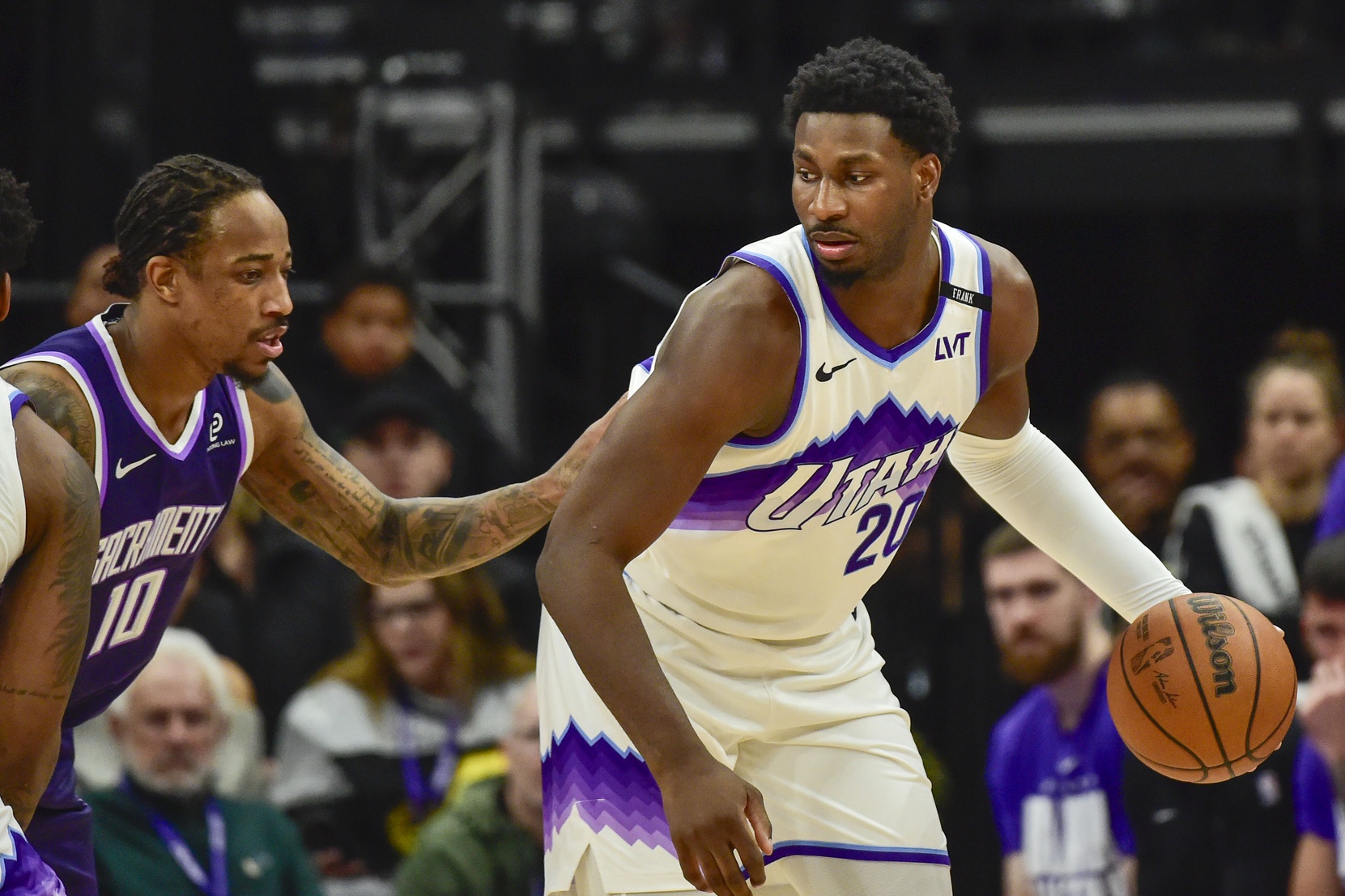
The Jazz pulled off a stunning, future-focused deal by adding Jaren Jackson Jr., John Konchar and Vince Williams Jr. for Walter Clayton Jr., Taylor Hendricks, Kyle Anderson, Georges Niang and three first-round picks. Utah also ate Lonzo Ball’s contracts for two second-round picks. The team also took on Chris Boucher’s deal for a second-round pick. In addition, the Jazz traded Jock Landale and the drafts rights for Balsa Koprivica for cash to the Atlanta Hawks and Oklahoma City Thunder, respectively.

Why They Did It

Utah has made it clear for months that this was their final rebuilding year. With draft pick obligations clear after this season, the Jazz are going to pivot towards a playoff push in 2026-27. Adding Jackson will aid in that. Williams is a sneaky good pickup too. Eating contracts in exchange for assets was good use of the team’s room under the luxury tax.

Work Left To Do

The Jazz could buy out veteran big men Jusuf Nurkic and Kevin Love, but that doesn’t seem to be overly likely. Both bigs have played well for Utah and are valued for their presence on the court (when they play) and in the locker room. Expect the team to cycle through some 10 Day deals with their open roster spot, as they look to see if someone pops who can stick on the roster long-term.

Top