UPDATE: WNBA CBA Negotiations Update (12/1/25)
The WNBA and WNBPA have been engaged in labor negotiations since last October, when the players’ association voted to opt out of the Collective Bargaining Agreement (CBA) that was signed in 2020. The deadline for agreeing to a new CBA was October 31, but the league and players’ association agreed just a day before the deadline to a 30-day extension. The current CBA is set to expire on November 30.
Last week, we broke down the main point of contention in negotiations: revenue sharing. But there are other reasons that the WNBPA voted to opt out of the CBA that don’t appear to be as big sticking points, based on their relative absence from reporting on the negotiations.
When the union opted out of the expiring CBA, they outlined a series of key priorities behind their decision, which included (beyond the new economic model of revenue-sharing and increased salaries): minimum professional standards, retirement benefits, and pregnancy and family planning benefits. Additionally, it has been reported that throughout the season, the WNBPA and league have also discussed roster size, health insurance, prioritization, and the number of regular-season games.
Seeing that these topics have been listed as reasons for opting out of the CBA and sources have cited them as topics of CBA discussions, there will likely be associated changes or additions. We don’t know yet specifically what those changes will be, but we can explore the topics in, or their absence from, the expiring CBA and how they are addressed in some comparable leagues that could serve as examples or aspirations.
Minimum Professional Standards
One priority of the WNBPA is implementing “consistent minimum standards that align with other leading professional sports leagues, maintaining professional and safe environments across the league, including practice and game facilities, as well as travel accommodations.”
To start, this could mean official language in the new CBA that requires professionalized standards across all teams for aspects such as appropriate facilities and personnel to support their training.
The expiring CBA has no provisions regarding the quality or condition of facilities used for practice or games. This has allowed some WNBA franchises to have their players practice in less-than-professional conditions, like the Connecticut Sun in a local rec center.
In terms of team health professionals, each WNBA team is required to have at least one team physician and one full-time athletic trainer. In the NBA, each team must have at least two lead team physicians, one head athletic trainer, one full-time assistant athletic trainer, and one full-time strength and conditioning coach.
The number of games is also tied to professional standards. Throughout 2025, players said that the increased cadence of games was too physically taxing. That season, each team played 44 regular-season games, its most ever, even though the season still spanned from May through October. The addition of more expansion teams means the league will likely continue to add games, while players say it compromises the quality of their performance.
If the season is to continue to expand, players have said that rosters should be bigger so teams don’t have to rely on hardship contracts when there are injuries or international competitions. The current roster size is 11 or 12 players, depending on the salary cap, with no provisions for developmental or practice players who could be called up in the case of injuries.
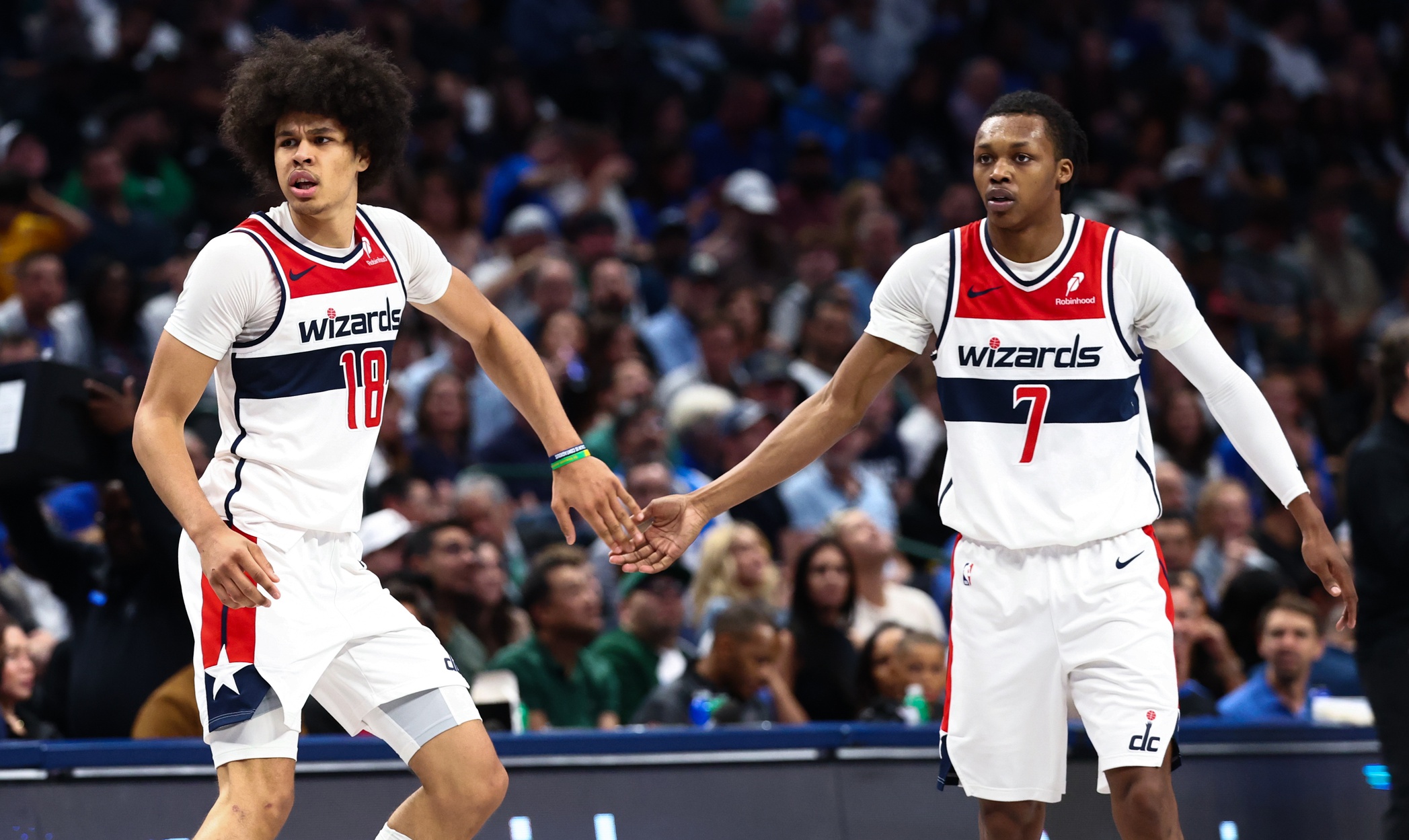
In the NBA, each team must have at least 12 and up to 15 players on their active roster. They can have up to three additional players signed to two-way contracts, which see the player split time between the G League and NBA. The WNBA does not have any affiliated development league like the G League.
While there is no comprehensive WNBA injury data made publicly available by the league, tracking by The IX Basketball suggests that injuries are a significant issue in the WNBA that is only growing. Injuries are very individualized, but at the same time, Lucas Schaefer said that lack of rest due to the increasing number of games within the same short season and small rosters giving athletes less time to recover from consistently significant exertion increases the risk of injury.
Travel accommodations are also part of helping players recover and be at their physical best.
In May 2024, the WNBA instituted a league-wide charter program flying all teams to away games in partnership with Delta Air Lines. Formalizing this leaguewide program has reportedly been discussed and seems likely.
It is worth mentioning prioritization here, which players have strongly advocated against due to the short season and meager pay. Many players sign contracts in the WNBA offseason, in the U.S. and overseas, to earn a better wage and improve as players. Prioritization basically mandates that players prioritize the WNBA over other leagues by reporting to their WNBA teams by a certain date, otherwise face fines or suspension.
This rule could be removed from the CBA or become essentially irrelevant. Leagues that operate in the U.S. during the WNBA offseason (Athletes Unlimited and Unrivaled) are scheduled specifically not to overlap with the WNBA, but the scheduling of some overseas leagues forces players to choose. Some of those leagues have shifted their dates so they don’t overlap with the WNBA, solving the players’ dilemma. The highest-paying of those leagues changing their dates to accommodate the WNBA or the WNBA paying more than the competition would help the WNBA retain the talent that would otherwise be turned away by prioritization.
Retirement Benefits
Another priority of the WNBPA is expanding retirement benefits “to provide greater financial security and health benefits to the players for their life after basketball.”
The current extent of retirement benefits codified in the WNBA CBA is a 401(k) program that allows players to elect to defer a portion of their base salary within the legal limit set forth by the IRS, with an employer matching contribution of 25%. Additionally, each eligible player each season is provided with an employer contribution determined by their years of WNBA playing service as of the end of that season — 2% of the player’s base salary with two years of service, 3% of the player’s base salary with three years of service, and 4% of the player’s base salary if the player has four or more years of service.
A player is only credited with a year of WNBA playing service if they are on the regular season roster of any WNBA team(s) for 50% or more of the total regular season games of that season. So a player can still get credited with a year of service if they bounce between teams for the season, but short-term hardship contract players or players who are brought in at the end of the season because of salary cap restrictions won’t benefit the same.
Comparatively, the NBA has a comprehensive package to support its players after retirement. The men’s league has a pension plan, provides tuition reimbursement, has a 401(k) with an incredibly generous match, as well as player health and wellness benefits.
To access the NBA’s benefits, you need to earn at least three years of service, which is determined by being listed on the NBA Active or Inactive list for at least one day during the regular season. The benefits vary based on when players played and how many years of service they have earned.
The NBA pension plan dates back to 1965, following in the footsteps of the MLB and NFL, which implemented theirs in 1947 and 1962, respectively. Like most pension programs, it depends on the player’s years of service, average salary, and the age at which they begin receiving their pension (the earlier you begin receiving payouts, the less they will be). It is generous nonetheless, beginning with a guaranteed $56,988 annually if the player has at least three years of service and begins taking benefits at age 62. The number increases as a player’s years of service increase. For example, if one plays 10 or more seasons, the annual pension jumps over $200,000 annually.
The NBA’s 401(k) program includes salary deferral contributions, employer matching contributions, and after-tax contributions. The salary deferral contributions work the same as the WNBA’s or really any 401(k) program. But the NBA offers one of the best 401(k) matches in professional sports, as they offer up to 140% employee match. So, let’s say a player is making $1 million and contributes a maximum of $23,000 to the plan that season, that contribution is tax-deductible, and then the NBA would contribute $32,200. NBA players then have the option to contribute more to their 401(k) accounts on an after-tax basis to further increase their retirement savings for the future.
NBA retirement benefits don’t end there, as they also have health and wellness benefits. These include a Health Reimbursement Arrangement (HRA Benefit), insurance/retiree medical plan, and tuition reimbursement. Included in the insurance benefits plan are: life insurance, accidental death and dismemberment benefits, disability insurance, medical insurance, dental insurance, vision insurance, and prescription drug insurance. Health insurance benefits continue for life after a player with three years of service or more retires. Players with 10-plus years of service in the NBA receive coverage for their spouse and children, too. The NBA also provides players with at least three years of service (as of the most recent CBA) with tuition reimbursement up to $62,500 each calendar year to aid in career transitions and personal development after retirement.
It is unlikely that the WNBA players would get all of these benefits that have come to fruition in a league with significantly higher salaries after years of campaigning by current and former players. But it does illustrate the gigantic disparity in support for retired players in the WNBA and NBA.
Pregnancy and Family Planning Benefits
The last major priority for the players’ union is “fair and accessible family planning support for all players, including retirement benefits that provide long-term security for their families.”
In the expiring CBA, there is one paragraph about family planning. Teams are required to reimburse any player with eight or more years of service up to $20,000 for costs directly related to adoption, surrogacy, egg freezing, fertility/infertility treatment, if the services are not covered by the health insurance provided by the team (which players do not have a say in). The total reimbursement received by any player during their WNBA career can’t exceed $60,000, nor can the aggregate amount paid by all teams in any season exceed $150,000.
Meanwhile, the newest National Women’s Soccer League CBA ratified in July 2024, featured increased family-building benefits that include financial support for IVF, egg freezing, adoption and surrogacy.
The NWSL offers all players family building support as part of health insurance benefits, offsetting costs of services like In Vitro Fertilization (IVF) and Intrauterine Insemination (IUI) treatment, fertility medication, egg, embryo, and sperm preservation, ovulation tracking, fertility testing, genetic testing and surrogacy. Fertility support is provided by Maven Clinic, which offers family planning resources and access to a network of providers. The NWSL covers the cost of membership if players opt to utilize Maven Clinic’s services. All other costs are managed through the player’s health insurance, and anything not covered by insurance is the responsibility of the player. However, this service is in addition to any “family building benefits” offered by individual teams, and several NWSL clubs have partnerships with local clinics.
In October 2021, Racing Louisville became the first NWSL club to partner with a fertility services provider to provide players with certain complimentary services. The Louisville club signed an agreement with the Kentucky Fertility Institute to offer “complimentary fertility preservation services including egg freezing, embryo freezing and long-term storage,” giving players “the flexibility to start a family with minimal interruption to careers on the pitch, either via surrogacy or personal use upon retirement.”
Now, 11 NWSL teams have announced partnerships with fertility clinics. Bay FC does not currently offer fertility treatments, and the Utah Royals declined to elaborate on what, if anything, it offers. Orlando Pride and Angel City don’t specifically have fertility clinic partnerships but say they have broader sponsorships, Orlando Health and Cedars-Sinai, respectively, through which players can access similar benefits.
The WNBA doesn’t have any individual teams with publicly announced fertility clinic partnerships that provide players with free or discounted services. Shady Grove Fertility, which is partnered with multiple NWSL clubs to provide services, partnered with the New York Liberty in 2023, but only to raise awareness and offer educational resources.
Earlier this year, The Athletic detailed how players have felt that improved fertility treatments offered by teams are life-changing. Though the benefits vary across teams and individual partnerships, players feel that, for the first time, they feel comfortable starting a family because of the CBA.
“Having the availability to do IVF with the club and its partners was huge for us,” said San Diego Wave goalkeeper Kailen Sheridan, who recently had a baby with her wife who got pregnant via IVF using Sheridan’s embryos. “If we didn’t have the stability from the CBA and the security it provides, this probably would’ve been something we considered much later. It’s the first time we’ve had real protections where you don’t feel like starting a family means risking your contract, your salary, or your spot on the team.”
Right now, individual partnerships can act as a competitive advantage for NWSL clubs looking to attract players. One of the reasons Sheridan, an Olympic gold medalist, chose to play for San Diego was that the team partnered with a fertility clinic. What doesn’t vary is that all players have access to some family building benefits, regardless of years of service.
The NWSL also has parental leave for any player who becomes a parent during the season, whether by giving birth themself, adopting, their partner giving birth, or otherwise. Players get fully paid parental leave for eight weeks or until their SPA ends, whichever is shorter.
Both the WNBA and NWSL protect players’ ability to be pregnant and still get paid. The WNBA refers to it as “pregnancy disability benefit,” the NWSL as “pregnancy benefit”. When a player is unable to play as a result of their pregnancy, they still receive the entirety of the base salary that they would’ve under their Standard Player Contract for the duration of their contract.
The WNBA specifies that they also receive any trade bonus in said contract if they are traded while pregnant. However, they are not eligible for any merit bonuses unless they were available to play in at least one regular-season game during the applicable season. Additionally, if a player’s SPC is terminated while pregnant, they continue to receive medical benefits until the end of the season or three months after birth of the child, whichever comes later, if the applicable insurance policies allow. If insurance can’t be continued and the player chooses to continue coverage through COBRA (a federal law that allows qualified individuals to temporarily continue their employee-sponsored group health insurance), then the WNBA will pay the premiums for coverage for the same duration that would’ve been covered otherwise.
Once players have children, there is varying childcare assistance.
WNBA teams are required to reimburse eligible childcare expenses up to $750 per calendar month during which one or more regular season games are played, up to an annual maximum of $5,000 per year. This is per player with one or more dependent children under the age of 13 who are living with the player either full-time or a significant amount of time (e.g., not solely visitation) during the season.
The NWSL gives players the option to set up a Dependent Care Flexible Spending Account (DCFSA), which is a pre-tax benefit account that can be used to pay for dependent care services like preschool, summer day care, before or after-school programs, and child or adult daycare. In addition, players can either get a $10,000 stipend for childcare expenses or pay out of pocket for someone to travel with the team and help with children under 5, and be paid back by the team. The second option doesn’t cover costs while the player is at home, but DCFSA funds can be used for that.
Now, we wait to see how exactly minimum professional standards, retirement benefits and family-building benefits will be addressed in the new CBA.


.png)


 NEWS
NEWS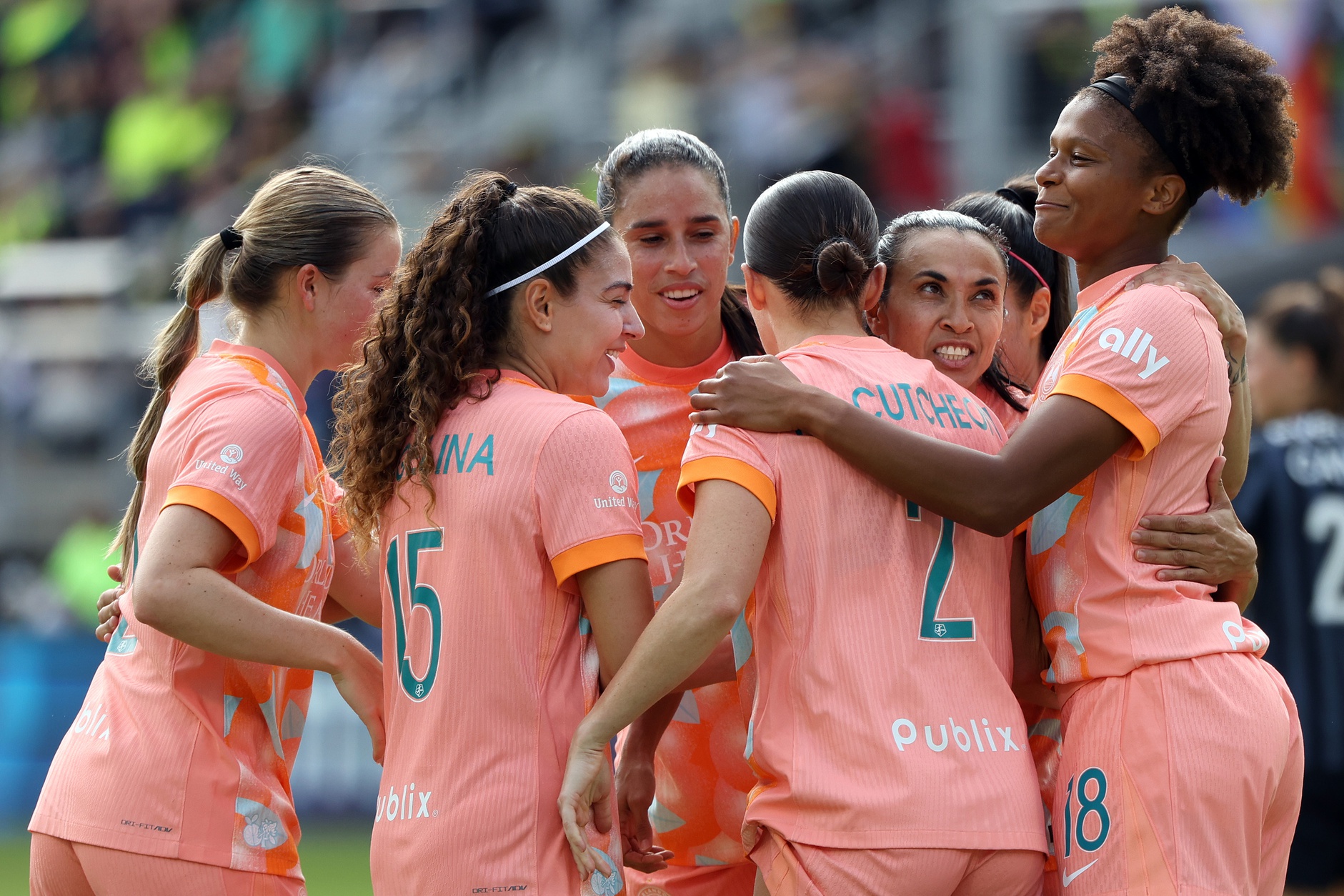 © USA Today Sports
 © USA Today Sports
 © USA Today Sports
 © USA Today Sports
 © USA Today Sports
 © USA Today Sports
 © USA Today Sports