Taylor VincentNovember 14, 2025
© USA Today Sports

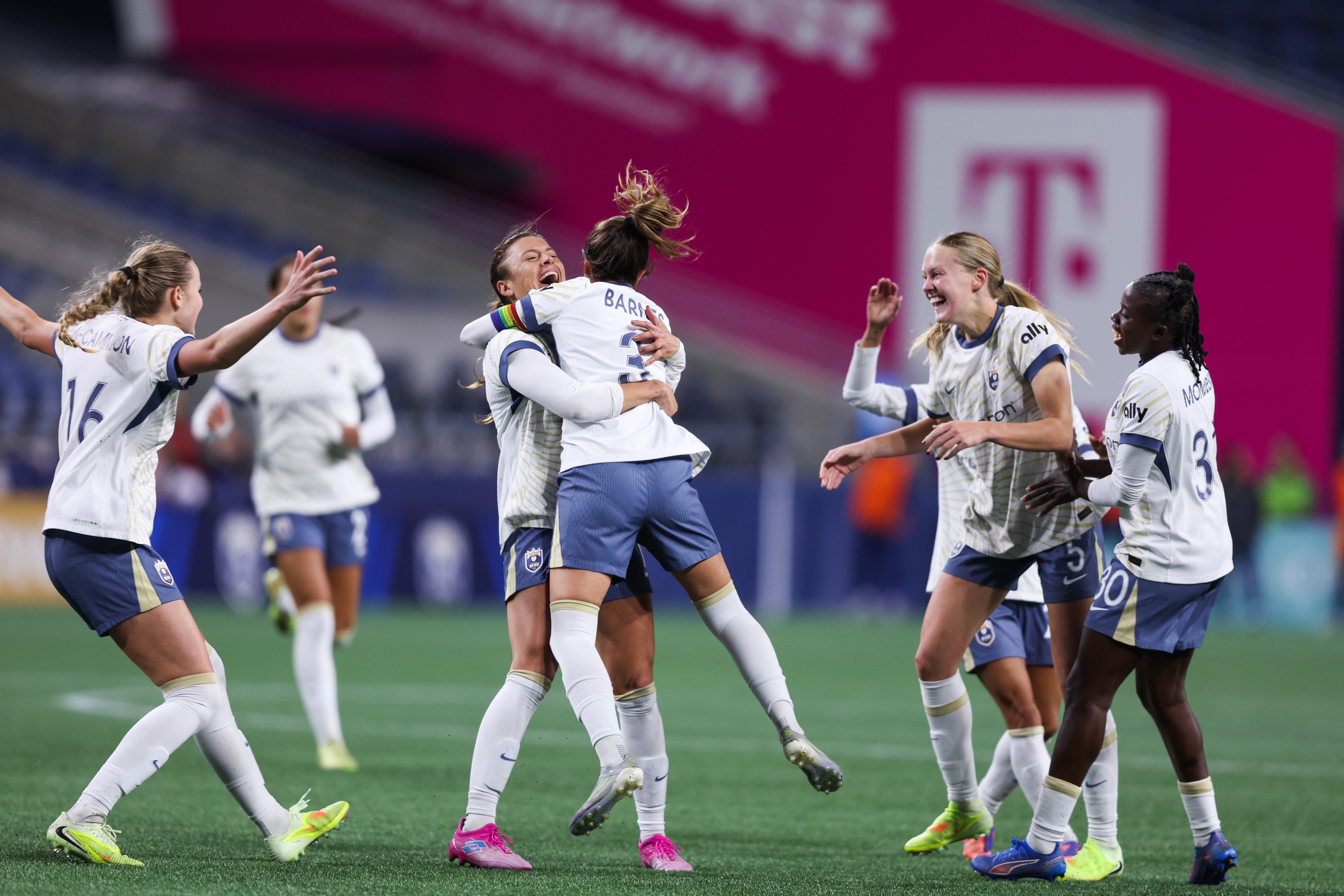
After finishing the 2024 season in 13th place in the table, this Seattle Reign team really turned things around in 2025 finishing the regular season in 5th place—and then were knocked out in the quarterfinals by Orlando. 

Coming into the start of the 2025 season, a majority of the team returned with only a few new additions in the offseason and the secondary transfer window during the season only saw one new addition — Mia Fishel.  

A majority of the team is signed for 2026, and there aren’t a lot of unused active roster spots available for continued roster evolution so it will be interesting to see what direction general manager Lesle Gallimore and head coach Laura Harvey decide to go in. 

The Positives

One of the biggest things that the Reign has going for it right now is the performance of the younger players on the team. Forward Maddie Dahlien signed a 3-year contract with the club in January and is one of the finalists for NWSL Rookie of the Year. Defender Jordyn Bugg was signed to a 3-year contract mid-way through the 2024 season, but has truly come into her own this season, was named to the Best XI in March and June, and is a finalist for NWSL Defender of the Year. 

The other saving grace for the Reign has been the performance of the starting goalkeeper Claudia Dickey. The club is tied-4th in the league for least goals conceded. Dickey’s performance this year has her as a finalist for NWSL Goalkeeper of the Year and earned her 4 caps with the USWNT as Emma Hayes searches for a front-runner to claim the starting job left empty with Alyssa Naeher’s international retirement.  

The Negatives

Although the club scored five more goals in 2025 compared to 2024, they were still only tied-9th in goals scored this season across all clubs. Of the 30 goals scored in 2025, right now players signed/expected to be on the active roster only make up 20 goals — this does not include Jess Fishlock’s six goals in just the 17 matches she played in while battling injuries. 

The Reign need someone to step up as that clinical finisher in the #9 position. Huitema only scored 3 goals in 2025 in over 1500 minutes, while late addition to the roster Mia Fishel is still looking for her first NWSL goal with only 340 minutes under her belt. 

Roster Flexibility 

Seattle has 22 players signed for 2026 – including Lynn Biyendolo who absolutely best case won’t be re-joining the team from maternity leave until after the summer break (and may not even play during the season). 

Even with 21 spots accounted for, Seattle does have some extra help for signings in the fact that only three of their six international spots are being utilized. 

Up to this point, the club has already re-signed four of their free agents: defenders Ryanne Brown and Emily Mason, midfielder Angharad James-Turner, and forward Maddie Mercado

Offseason Priorities

The Reign have five free agents heading into the offseason, not including the three who announced their retirements at the conclusion of the 2025 season. Of the five, two were on loan to end the season, and the best (and maybe only) candidate for potential re-signing is midfielder Jess Fishlock. 

There are also only five midfielders on the roster, so the club should target some additional experienced depth to help grow and guide some of the younger players. Something else to consider is potentially a well-proven finisher to add to the forward group with Biyendolo likely out for the year.

Taylor VincentNovember 13, 2025
© USA Today Sports

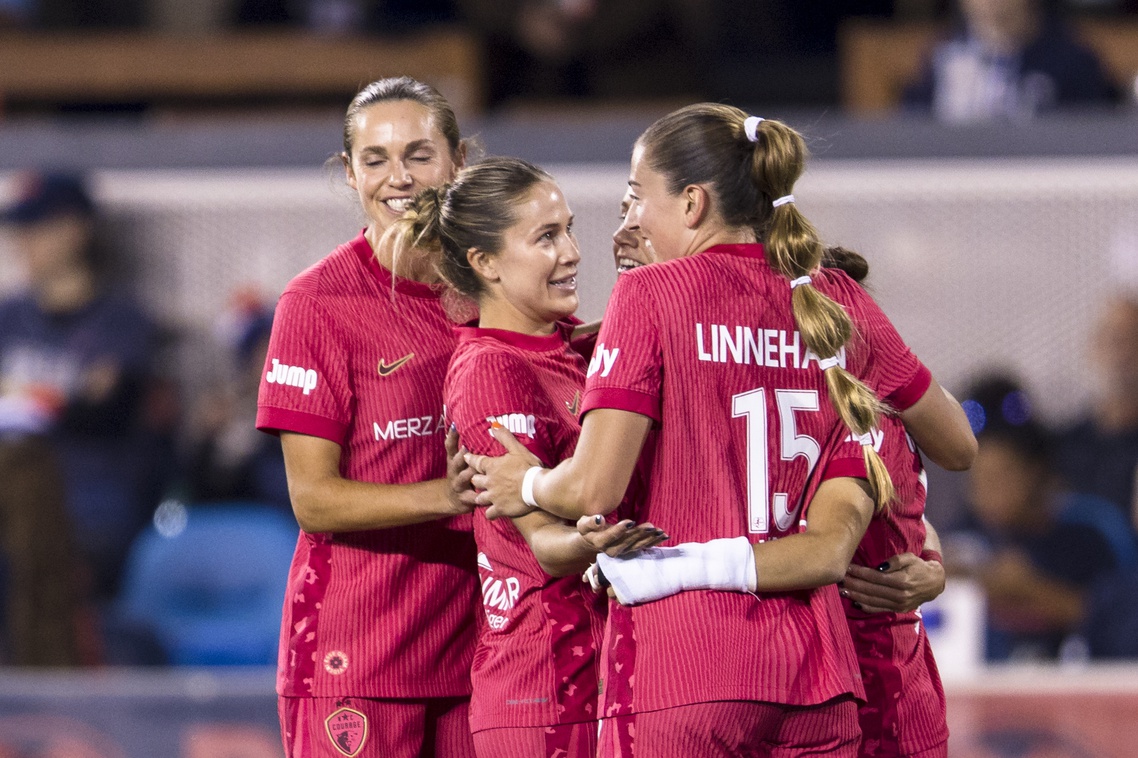
In the 2025 season, the Courage missed the playoff line by just one point and ended the season in ninth — the lowest position in the table the club has finished in since joining the league in 2017. 

Late evening August 6th, the team mysteriously announced the termination of Sean Nahas effective immediately and Nathan Thackeray was named as interim head coach. Even in the following press conference, just the phrase “multitude of factors” was repeated 13 times with references to the team’s record—at the time 9th place with 5 wins, 4 draws, 6 losses—and inconsistent play. Adding to the mystery, Nahas was in fact at training on that Wednesday, leaving the 7:45pm email to the media even more confusing. 

During the remaining 11 matches in the season, the Courage would scrap together an additional 4 wins, 4 draws, and 3 losses. 

The big question heading into the offseason will be: who will be the club’s general manager, Curt Johnson resigned in December 2024 and most recently was hired by expansion side Denver Summit in May, and who will be the head coach. All of which seems to be falling on Chief Soccer Officer and Sporting Directory Ceri Bowley’s plate.

Without these first two dominos being set in motion, it will be harder to predict where exactly the club should focus on during the offseason. 

The Positives

On January 10th, the club signed midfielder(/forward) Manaka Matsukubo to a two year contract extension through the 2026 season. The Japanese international scored 11 goals and also had 4 assists across the season and became the focal point of the Courage attack. Having Manaka signed through 2026 is key, but in the offseason they should also be working on getting a longer-term extension in place. 

Another positive that bodes well for the team is although they finished 9th in the table, they were 4th in the league for goals scored. Of the 35 goals scored, players who made up 31 of those are already signed for the club through 2026. 

The Negatives

On the other side of the ball, the defense conceded 9 more goals in 2025 than 2024, and were tied-5th for the most goals conceded in the league (averaging 1.5 goals against/match). Casey Murphy started the first 16 matches of the season (conceding 28 goals), before Marisa Jordan took over for the next 5 matches (conceding 7 goals) and Murphy closed out the final three matches of the season (conceding 4 goals). 

Although it hasn’t been officially announced, in early October, ESPN reported that Murphy, as a free agent, had signed with expansion–side Boston Legacy for the 2026 season. 

Roster Flexibility 

Heading into the 2025-26 offseason, the Courage have a good amount of flexibility to sign/add players that fit into the TBD head coach’s tactical plan with only 18 players signed for the upcoming season. 

One thing that may limit the flexibility of open roster spots could be the fact that the Courage have already traded away one of their 2026 international spots and have five of the remaining six occupied. 

Additionally, the Courage have already re-signed free agents Payton Linnehan and Feli Rauch to 2-year contracts and Linnehan has an extra option year for 2028. 

Offseason Priorities

With 11 free agents on the 2025 squad at the end of the season, only Racing Louisville has more. In the 11, defender Kaleigh Kurtz, who should’ve been a priority to re-sign as she has played in every minute for the last four seasons announced on Wednesday that she would not be returning to the Courage. 

The 2026 roster only has one goalkeeper signed to it, and so one of the priorities needs to be getting the required depth there, followed quickly by targeting players to shore up the defense since the majority of the attacking threats are already signed for the upcoming season.

Michael GinnittiNovember 13, 2025
© USA Today Sports

National League

Paul Skenes (23, Pirates)

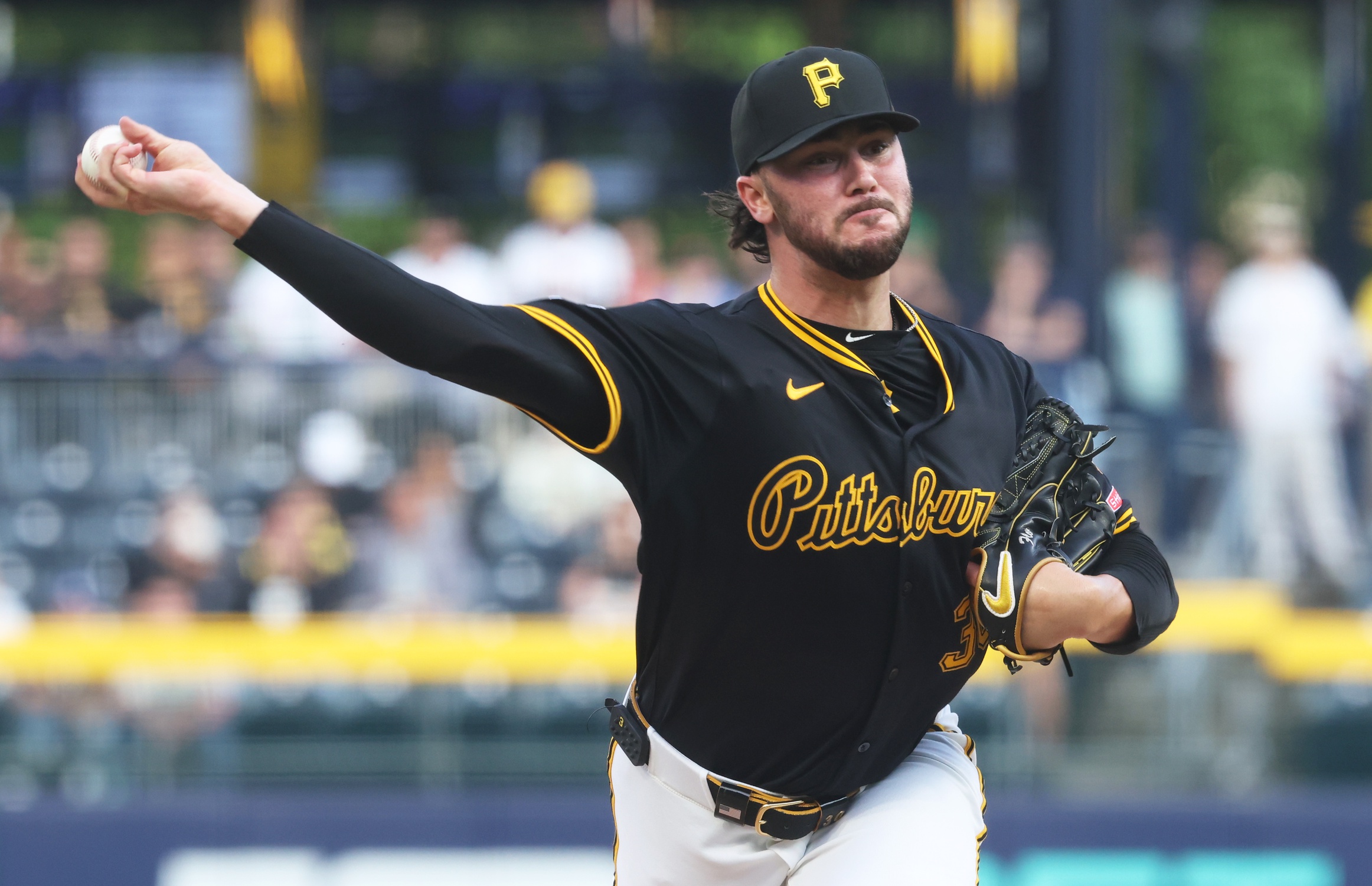
Skenes won his first Cy Young award after a sparkling 2025 season (1.97 ERA, 217 ERA+, 7.7 WAR). The 2024 Rookie of the Year finished 3rd in last year’s Cy Young voting. As a pre-arbitration status player, Skenes receives a $2.5M bonus for this award, a payment that does not affect the Pirates’ CBT payroll (part of the pre-arbitration bonus pool), nearly tripling his $875,000 2025 salary.

Cristopher Sanchez (28, Phillies)

After a 10th-place finish in 2024, Sanchez put together a career-year in 2025 (2.50 ERA, 176 ERA+, 8 WAR) to secure a runner-up Cy Young finish this past season. The 2nd place finish escalated Sanchez’ 2029 club option to $15M, and his 2030 club option to $16M. The honor also secured the 28-year-old a $1.75M bonus via the pre-arbitration bonus pool.

Yoshinobu Yamamoto (27, Dodgers)

The World Series hero posted career numbers in 2025 (2.49 ERA, 167 ERA+, 4.9 WAR), and is under contract for another 10 years, $260M through 2035. Early Termination opt-outs are available after the 2029, and 2031 seasons.


American League

Tarik Skubal (28, Tigers)

It’s back-to-back Cy Youngs for arguably the best pitcher in baseball, setting up a fascinating, rumor-filled final year of team control for Skubal and the Tigers. Skubal earned $10.15M in 2025, where he posted a career-best 2.21 ERA, 187 ERA+, and 6.5 WAR. The 28-year-old projects toward a $22.5M salary for 2026, an 8 year, $300M extension overall, and is the most notable trade candidate heading toward the winter months.

Garrett Crochet (26, Red Sox)

Crochet’s 4th-straight solid season culminated with a career-best performance in 2025 (2.59 ERA, 159 ERA+, 6.3 WAR). The 26-year-old signed a 6 year, $170M extension with Boston at the start of the 2025 season, keeping him under contract through 2031 (though an opt-out is available after 2030).

Hunter Brown (27, Astros)

Brown’s career-year (2.43 ERA, 172 ERA+, 6.1 WAR) secured him a 3rd-place finish, awarding him a $1.5M bonus from the pre-arbitration pool. The 27-year-old, who played 2025 at $870,000, projects toward a $5.5M salary in his first year of arbitration.

Taylor VincentNovember 13, 2025
© USA Today Sports

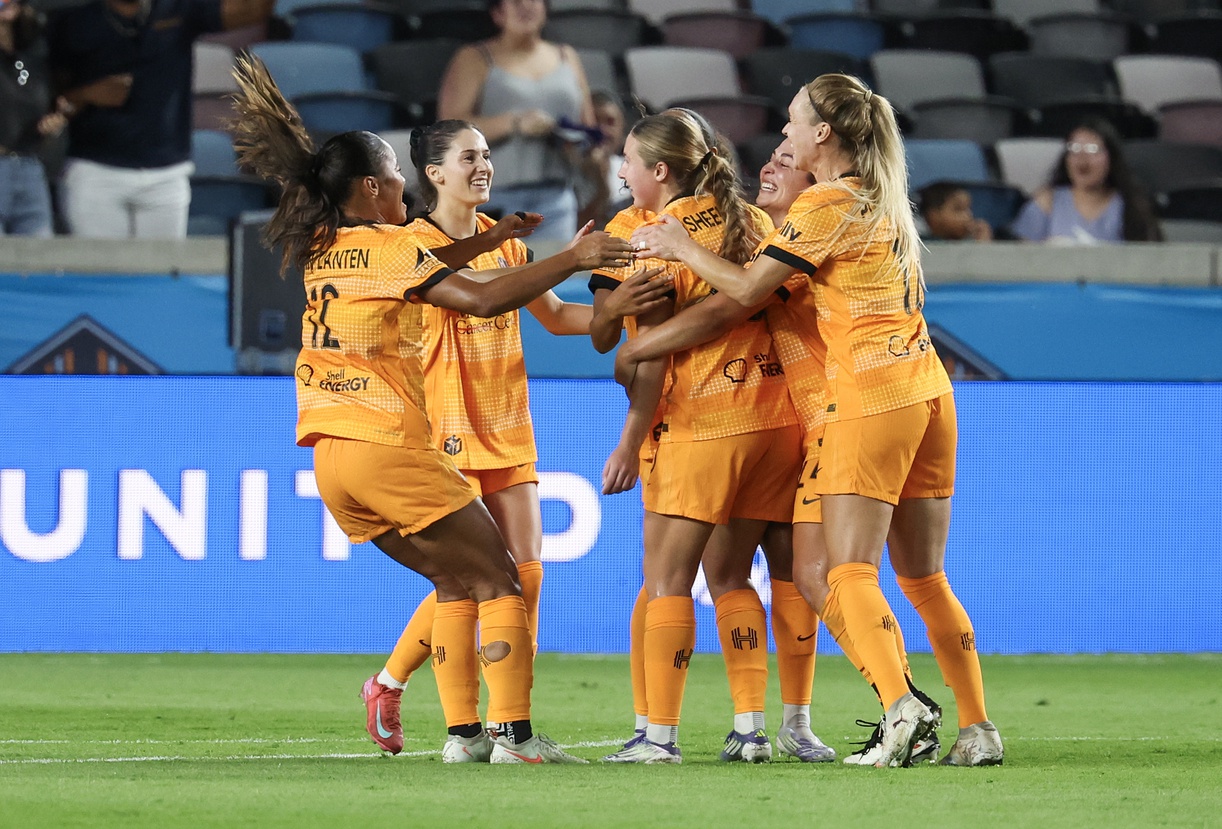
Following a 2024 season where they finished bottom of the table, there was only one direction for the 2025 Houston Dash to go... up. 

After head coach Fran Alonso went missing part of the way through the 2024 season, Ricky Clarke stepped up as the unofficial interim-head coach, and then once Alonso officially departed, he became the official interim head coach. In December, the Dash front office announced the hiring of Angela Hucles Mangano as the President of Women’s Soccer, and that neither Clarke, nor technical director Pablo Piñones-Arce would be returning for the 2025 season. 

One month later, Fabrice Gautrat was named as the permanent head coach for the 2026 season. 

Throughout the turmoil of the changing front office and technical staff, Houston was fairly active in signing free agents as well as trading for additional players and finished the offseason with eight new players on the roster. The Dash were able to make positive progress compared with 2025, moving up to 10th in the NWSL Table with an additional 3 wins and 1 draw compared to the 2024 season. 

Although the Dash were playing much better football after the summer break, without major moves in the offseason, including some that include current players, between the minimal number of available active roster spots and the changes needed to be more competitive, Houston’s hopes to make it above the playoff line in 2026 may be dashed. 

The Positives

During the 2024-25 offseason, the Dash were able to lock down Avery Patterson to a three-year contract extension through the 2027 season. The defender has been having a breakout year that has her on the shortlist for NWSL Defender of the Year and saw her make her USWNT debut (8 caps, 1 goal).

Maggie Graham was Houston’s first college signing following the new CBA’s removal of the collegiate draft, and following her 3-year contract, she made an immediate impact on the pitch and won Rookie of the Month in March. Although she ended the season on the season-ending injury list following a shoulder injury in September and missed the final six matches.  

Houston’s depth in the goalkeeper position was one of their strengths during the 2025 season with having strong veteran goalkeepers in Jane Campbell and Abby Smith

The Negatives

In all of the signing and trades during last offseason, the front office locked players down for longer-term contracts, some of which didn’t even hit 1000 minutes played in 2025. This limits the ability during the current offseason to make as many moves as they likely want. 

The team was also 13th in the league in goals scored (27), and conceded 39 goals, Tied-5th for the most allowed. The other offensive gap is that the 26 goals were really scored by committee with the team’s top goalscorer only having 4 goals and the team having 14 different goalscorers over the season. Scoring by committee isn’t an inherently bad thing as long as the overall number is more than the team is conceding — which the Dash unfortunately isn’t doing.  

Roster Flexibility 

The Dash have 22 players signed through the 2026 season — including the three 2025 season-ending injuries, and two players whose loans don’t end until June of 2026. With a maximum roster size of 26 active players, the Dash will likely need to work to loan out or trade/transfer players in order to be as active as they ought to be in the offseason. 

In terms of international spots, the Dash only have four of their seven being utilized for 2026 leaving them with the opportunity to sign additional players from outside the league. 

Offseason Priorities

The Dash have five free agents heading into the offseason, of which Ryan Gareis and Abby Smith should be the ones for the Dash to keep on their radar for re-signing. However, considering that two of their three 2025 season-ending injuries will likely be back for the start of season, the Dash truly don’t have a lot of open roster spots to sign depth players. 

Regardless, with only two goalkeepers signed for 2026, one of the available spots should be for the third goalkeeper, and then the team should target 3-4 players across the field positions, and use 2-3 short term contracts to add any needed depth. The short-term contracts end dates should overlap with Schmidt’s expected return from her ACL tear and the two loans (Rebeca and Zoe Matthews) returning from Spain in June. 

Taylor VincentNovember 12, 2025
© USA Today Sports

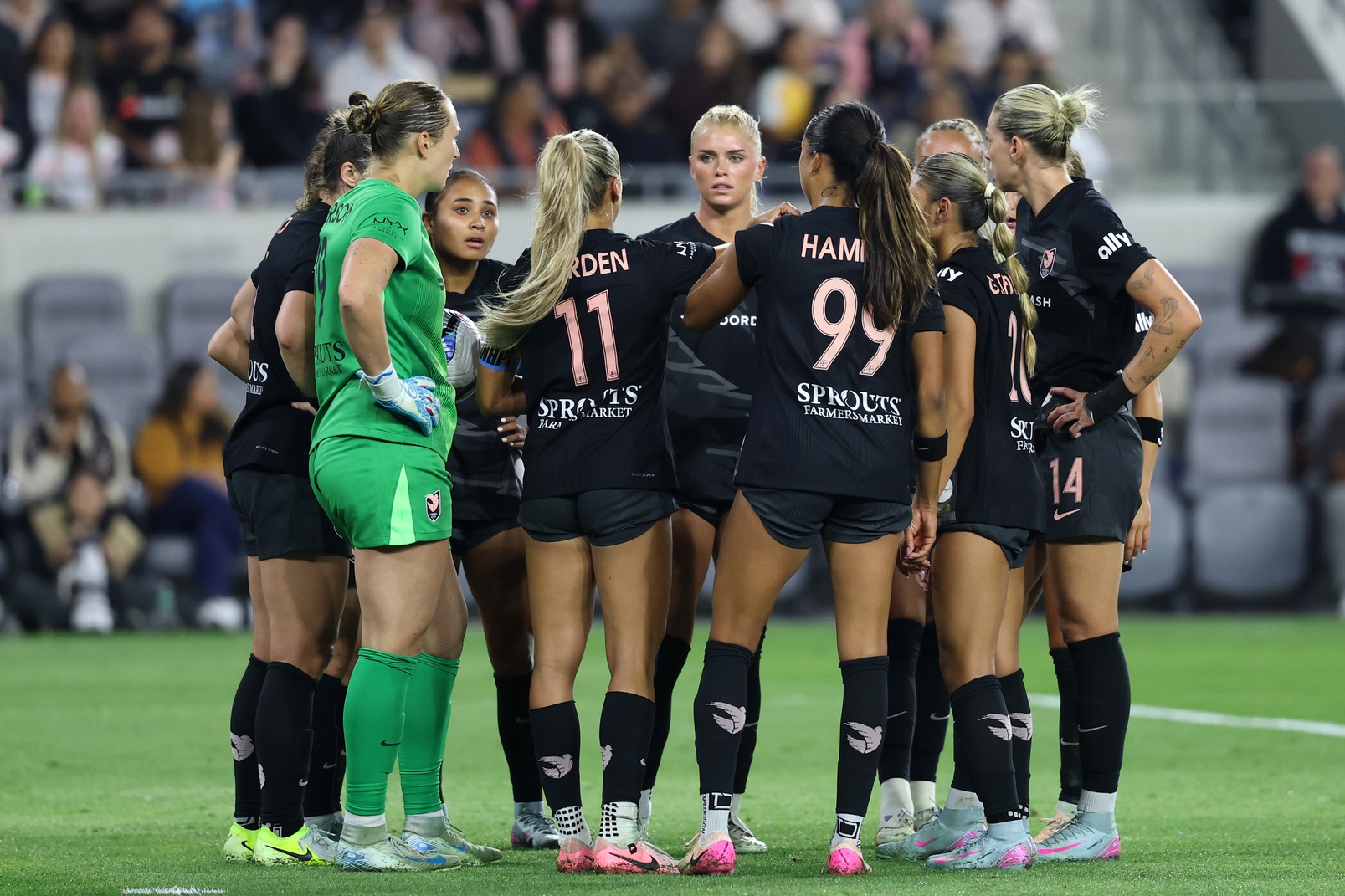
The LA-based team has not yet been able to match their magic of the tailend of the 2023 season—which under some decision day chaos had them finishing 5th out of the 12 teams—compared to the 2024 or 2025 seasons where the club finished 12th and 11th respectively. 

At a high level, the output of the team in 2025 closely matched 2024, both seasons with 7 wins, 6 draws, and 13 losses. The 2025 season saw two more goals scored by the club, and one less conceded compared to 2024. 

December 9th, 2024 the club announced it was parting ways with then head coach Becki Tweed (who coached the team in the crazy run to the 2023 playoffs as the interim-head coach and was named to the head coaching job ahead of the 2024 season start) and Eleri Earnshaw became the interim head coach. 

A month later on January 15th, the club named Mark Parsons as the club’s new sporting director and one week later Sam Laity was announced as the new interim head coach. Just a few games into the 2025 season, Alexander Straus was named the new Angel City head coach, but his start date was pushed back to June 1st so he could finish up his current season as head coach of FC Bayern München Women.

With 20 players signed for 2026 — including Claire Emslie on maternity leave and Savy King on medical leave — Angel City has some opportunity to bring in some key components—but they are going to be limited in the international spots—and having the preseason bonding time for some of the late-season adds will help build some cohesion under Straus’s strategic identity. 

The Positives

From the Secondary Transfer window on, eight players were added to the club either via trades or transfers, meaning Straus has already started transitioning the club and the players he wants to match the play-style he’s bringing to the league. And with 13 matches under his belt, the players have already begun to build on that identity. 

Although Alyssa Thompson is irreplaceable — will hit on this in the Negatives section a bit — the club should have a good chunk of transfer funds from Chelsea to burn in 2026 for additional player acquisitions. 

The argument could definitely be made that the club does not need any more forwards in the offseason — there are already 8 rostered for 2026, but rather needs to figure out how to consistently get the forwards they have into dangerous positions. 

Some more things to be excited about in 2026 is the potential return of Savy King, who was fitting in swimmingly into the backline in the front half of the season.

The Negatives

After Alyssa Thompson transferred to Chelsea at the beginning of September, Angel City’s offensive output dropped from averaging almost 1.3 goals/90 to 0.88 goals/90. The team really needs to figure out what their offensive identity is and how to build that through the midfield. 

The 2025 season saw an incredible turnover in the midfield with only one midfielder starting in more than half of the matches in the season (13)  — Kennedy Fuller with 21. It’s hard to consistently build through lines when the personnel in said lines is changing that much. 

With the retirements of Ali Riley and Christen Press, Angel City is losing a lot of its veteran presence and will be relying on Sarah Gorden to continue to fill that role as well as needing some other players to step up into the role. 

A big question mark for the team is around the potential return of forward Sydney Leroux, who signed a 3-year contract extension in October 2024, but announced she was taking a step back from soccer to focus on mental health after the 2025 season opener. Leroux didn’t take the pitch for the LA-based club in 2025.

Roster Flexibility 

Outside of the front line, Angel City has a solid amount of flexibility to add players during the offseason with the expectation of 18 players from the current active roster available for the 2026 season opener and with some cash to spend without too much concern about the net transfer fee threshold. 

One potential hurdle for Angel City is going to be the fact that for 2026 they have all seven of their international spots occupied. 

Of the team’s six current free agents, the club's end of season update implied that they would not be returning to the club in 2026. 

Offseason Priorities

During the offseason, Angel City should be focusing on acquiring 3, maybe 4 defenders to add depth and strength in the backline between both the centerback and outside back positions. 

They will also likely want one more midfielder, and, of course, there is an opening for the third goalkeeper (if you don’t count Nealy Martin).

Other than talent additions, the offseason needs to prioritize creating chemistry and stability in the starting lineup. 

Taylor VincentNovember 12, 2025
© USA Today Sports

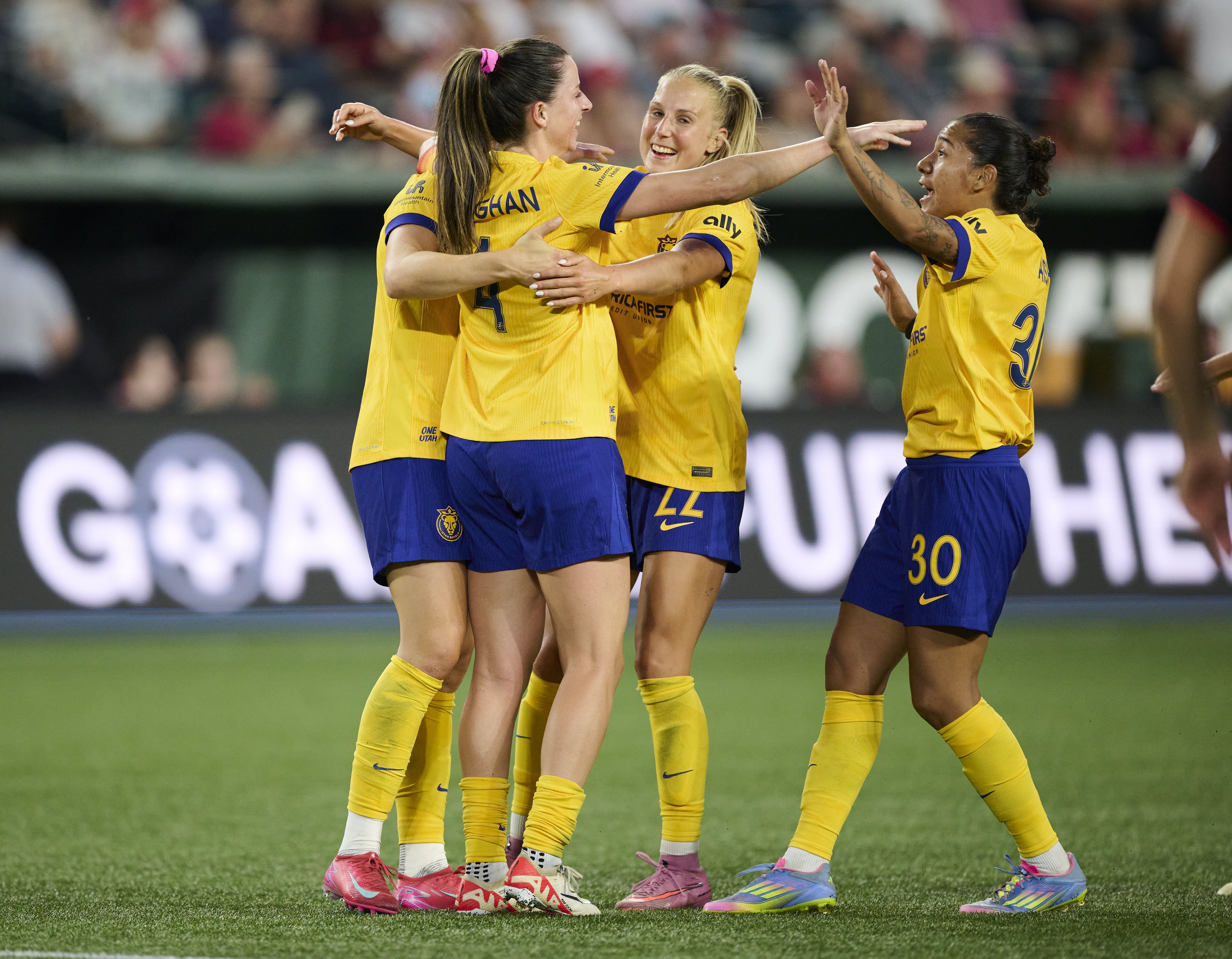
After a rough start to their 2024 re-debut as a NWSL team, the Royals really began hitting their stride after the Olympic summer break and everyone expected the team to keep that momentum going into the beginning of the 2025 season. Unfortunately, heading into the 2025 summer break, the Royals only had one win and two draws in the 13 matches, but once again history repeated and in the last 13 matches the Royals won 5, drew 5, and lost 3. 

Utah finished the 2024 season 11th in the table, and the 2025 season in 12th—which is not a move in the right direction. The real question for the Royals is whether they can continue their momentum from the tail end of the 2025 season into the 2026 season. 

With only 17 players on the current roster signed for 2026, if the Royals can re-sign 1-2 of the lynchpin free agents, and continue growing their depth chart they’ll be in a good position for the 2026 season.  

The Positives

In August the Royals signed forward Mina Tanaka to a 3-year contract through 2028; having the Royals’ player–voted Most Valuable Player, Offensive Player of the Year and Golden Boot winner with the franchise for the long term bodes well for the future of the club. 

Additionally, the club has most of its 2025 playing minutes returning, in addition Alex Loera and Tatumn Milazzo are expected to come off the season-ending injury list in 2026 following their early season ACL injuries. 

The Royals are fairly shored up in the goalkeeper position with Mandy McGlynn and Mia Justus both battling for the starting spot through the back half of the season, it’ll be interesting to see who is the starting goalkeeper on opening day 2026. 

The Negatives

There are a lot of negatives to the first half of the season Utah Royals which aren’t exactly present in post-summer break Utah Royals, so the negatives are going to be summarized down to consistency throughout the season. 

This is a hard thing to target in the offseason—how to hit the ground running after a two-month preseason—and considering the number of free agents on the club with very few minutes that are likely to not re-sign, the amount of potential turnover on the roster and maybe even the starting XI could only add to it. 

The quick ramp into a season isn’t a unique to Utah problem, but with one preseason under his belt after taking over mid-season in 2024, head coach Jimmy Coenraets will need to figure it out if Utah has any hopes of making the playoffs in 2026. 

Roster Flexibility 

With nine available spots to add to their 17 signed players for 2026, the Royals have more flexibility than most teams in signing additional players. 

On the international spot side, the Royal have all seven of their spots occupied, however considering that Utah finished the 2025 season with 10 spots (9 occupied), the front-office is well-versed in trading for additional spots. 

Offseason Priorities

The Royals have ten players who are currently free agents; defender Imani Dorsey and midfielder Claudia Zornoza already announced their retirements coming at the end of the season. 

Of the remaining eight only Canadian forward Bianca St-Georges and Dutch midfielder Dana Foederer have at least 1000 minutes under their belt from the 2025 season. One thing to also note is that while Foederer re-signing would require an additional international spot, St-Georges possesses a green card and does not require one. 

The Royals offseason plans should include some added depth in the midfield, as well as a young goalkeeper to fill out the goalkeeper corps. 


Taylor VincentNovember 11, 2025

The NWSL today announced that Atlanta would be the 17th team in the NWSL and would be joining the league in the 2028 season and playing its home matches at Mercedes-Benz Stadium in downtown Atlanta. The stadium will be modified similarly to when Atlanta United plays and will have a capacity of approximately 28,000. 

Atlanta’s NWSL club will be owned by Arthur M. Blank and operated by AMB Sports and Entertainment, joining the Atlanta Falcons (NFL), Atlanta United (MLS) and Atlanta Drive Golf Club (TGL) in Blank’s sports team portfolio. 

AMB Sports and Entertainment is already engaged in the early stages of developing a club name and identity with no timeline yet announced. There will also be dedicated leadership and staff hired to oversee day-to-day operations, and the search for team leadership has already begun. 

Additionally, the Arthur M. Blank Family Foundation will provide seed funding to launch the NWSL Foundation, which will focus on advancing research and innovation in women’s sports, with an emphasis on female athlete health and performance.

Taylor VincentNovember 11, 2025
© USA Today Sports

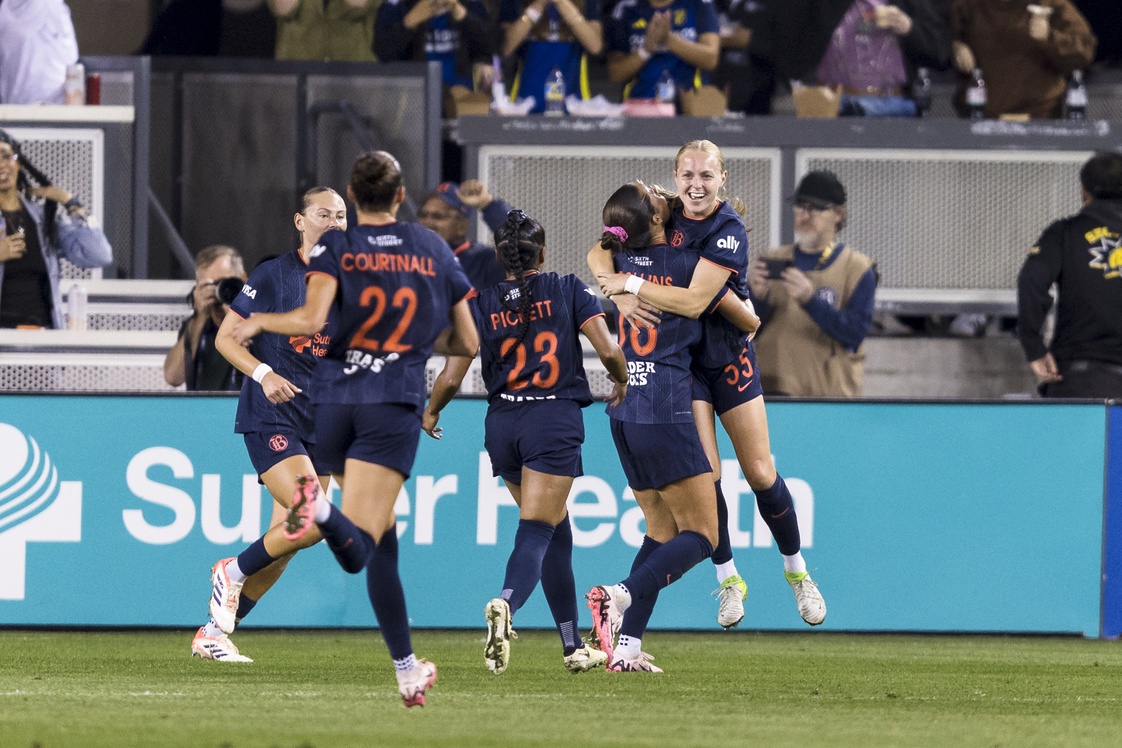
After their inaugural season in 2024 saw the Bay Area team make the playoffs, the 2025 season was a step in the wrong direction with only 4 wins and 8 draws compared to the 11 wins and 1 draw from 2024. 

On September 8th, the club announced that head coach Albertin Montoya would be stepping down at the conclusion of the 2025 season, and then in late October the club announced that Brady Stewart had stepped down from her role as Chief Executive Officer. Alan Waxman, Chair of Bay FC will likely be leading the search for the new club CEO, while Kay Cossington is going to be leading the sporting efforts of the club, including the selection of the club’s next Head Coach. 

Although there are some question marks for the direction both of the front office and for the coaching job, it does appear that the Bay FC ownership is willing to make bold (and sometimes hard) decisions to create a team able to compete. 

The Positives

Bay FC does have some strong young talent, if they can just keep players healthy. Penelope Hocking was the team’s top goalscorer in 2025 and the 7 matches she missed due to injury the team only drew 2 matches and lost 5. 

Also, barring any further hurdles, Onyeka Gamero should be coming off the season-ending injury list for 2026 following a torn meniscus and ACL in late November 2024. The 19 year-old was nominated for US Soccer Young Female Player of the Year in both 2022 and 2023. 

The team also extended Canadian defender Sydney Collins as well as midfielder Dorian Bailey to multi-year contracts—both were free agents. 

The Negatives

Without a coach it is kind of hard to know if the players signed fit the system that is hoping to be played, but also if the answer is that the coach wants a lot of different pieces compared to what is signed, the CBA’s requirement of guaranteed contracts will make that hard to do. 

Bay was 14th of 14 in goals scored (26) — although they are seventh in xG. The club was also T-3rd for highest number of goals conceded (41) — although their expected goals against was only 35.4. 

Neither of those stats is an omen of goodness: not scoring as much as expected or having opponents score more on you than expected. Together it’s a recipe to be tied at the bottom of the table on points, but officially 13th due to a better goal differential than Chicago. 

Roster Flexibility 

With 18 of the 26 maximum roster spaces already filled by players signed in 2025—not including the two players on maternity leave that may or may not be back in 2026—Bay does have some flexibility to bring in talent roster space wise. An even better outlook for scouting, the club is only utilizing one of their six international spots for 2026. 

Offseason Priorities

Having both Abby Dahlkemper and Emily Menges back from maternity leave will help the depth in the centerback role, but it’s highly unlikely that either is back for the front half of the season since they both went on Maternity Leave in August of this year. 

Another concern for this team is consistency across matches and for a full 90 minutes. There is a lot of youth in the roster and so adding in a well-experienced centerback in the defense and another attacking threat with both Hocking and Gamero having potential injury concerns should be the primary objective of the offseason. 

Of the five players that are 2026 free agents, Kiki Pickett is the only one with over 1,000 minutes played for Bay. 

Taylor VincentNovember 10, 2025
© USA Today Sports

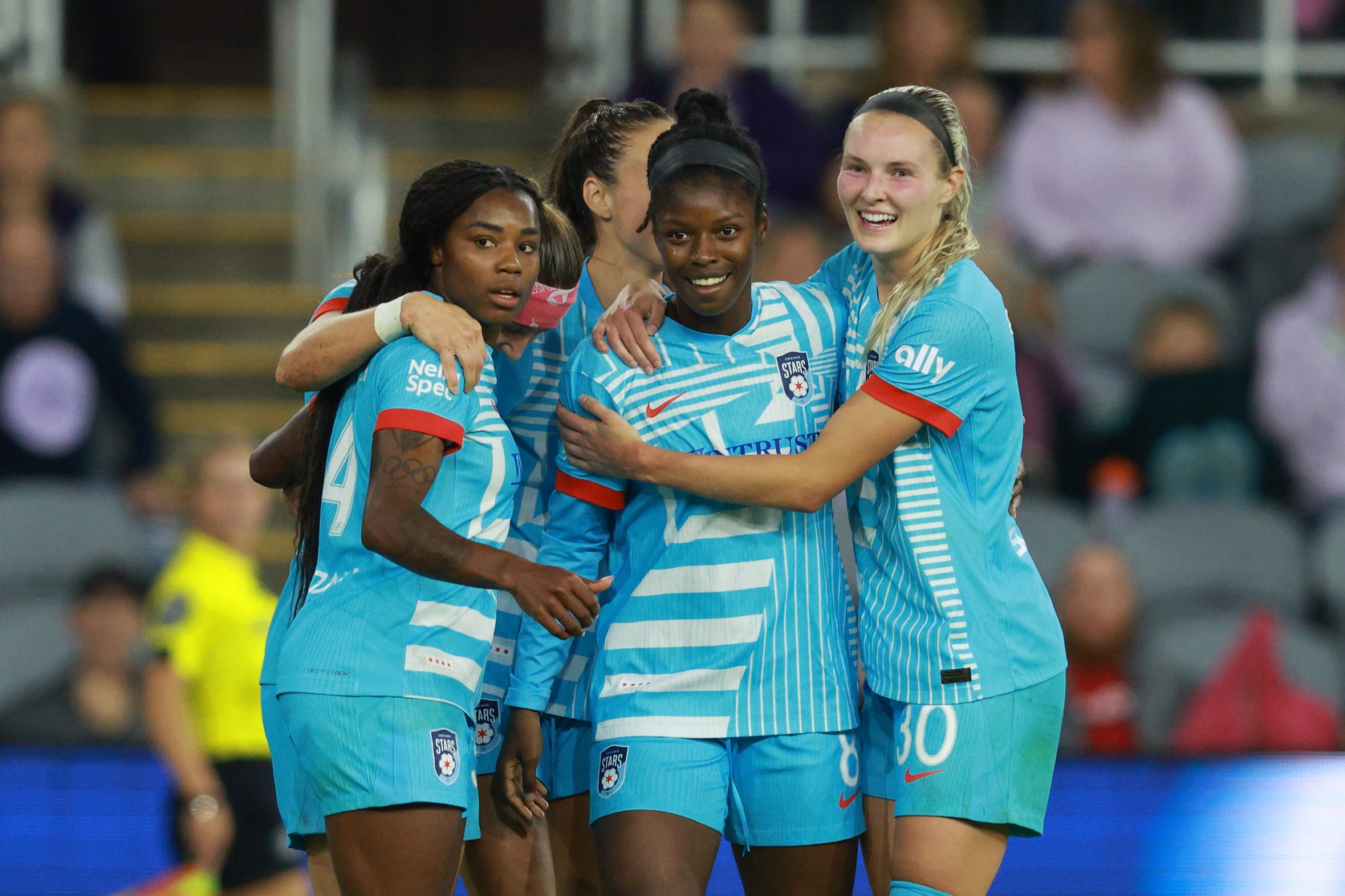
Chicago’s offseason rebrand from the Chicago Red Stars to the Chicago Stars didn’t show up on the pitch in the way that they wanted, dropping from their 8th place finish in 2024 to bottom of the table in 2025. 

The Stars have seen four different head coaches—including interim—through their season. Lorne Donaldson was hired ahead of the 2024 preseason, but was let go of at the end of April after a lackluster start to the season—5 losses and 1 win at the time of his departure. Masaki Hemmi took over as the interim head coach until July (3 draws, 3 losses) when he left to take a full-time head coaching position with USL Super League club Lexington SC. 

With the exit of Hemmi, Masar took the interim position for the second time in her career and had the most successful stint of the season (5 draws) until the club announced that the new head coach would be Martin Sjögren with Anders Jacobson taking over the interim title until Sjögren’s season in the Swedish Damallsvenskan completes. Jacobson’s record through the end of the season was (2 wins, 3 draws, 3 losses). 

Hopefully with the offseason Sjögren and general manager Richard Feuz are able to make the moves to complement the style of play Sjögren wants to play next season—however, with already 19 players signed for the 2026 season, there might be some limitations in any transition of play. 

The Positives

Although the Stars lost USWNT star Mallory Swanson to maternity leave this season, they do have her signed through the 2028 season, with the expectation that she’ll be returning next season. The real question here is how to maximize the effectiveness of both Ludmila and Swanson when they are on the pitch together — something that wasn’t really seen during the 2024 season. 

In terms of cohesiveness, the majority of their field player minutes are coming back for 2026, and there were key long-term extensions this season including Sam Staab, Julia Grosso, and Bea Franklin

The Stars singular U18 player, Micayla Johnson (17 years old) was another key midseason signing who should be a big part of the long-term future of the club. 

The Negatives

The team unfortunately led the league in goals conceded with 54, a 12 goal margin to any other team and so defense must be shored up heading into next season. Part of the issue through the season was dealing with untimely injuries that temporarily saw defensive midfielders sliding back into the centerback role. 

They were also tied for 8th for goals scored among the 14 teams, which combined with the goals conceded is not a recipe to make it above the playoff line. 

Due to the above mentioned coaching chaos, one would hope that having a consistent team identity throughout the season should help for the. 

Roster Flexibility 

The big question for the Stars in the offseason is whether captain and starting goalkeeper Alyssa Naeher will re-sign with the Stars. Ahead of the final regular season match, Naeher said to the media, “I'm just going to play on Sunday and then, like I've done for the last eight years, make a decision at the end of the year.”

Outside of Naeher, the players with substantial minutes who are free agents are midfielder Shea Groom, forward Ally Schlegel, defender Cam Biegalski, and midfielder Cari Roccaro—who has been mysteriously ‘excused’ since the summer break. 

As for incoming signings, the Stars only have one available international spot for 2026.

Offseason Priorities

The other thing the Stars need to focus on is not just getting the absolute best from the players they have, but getting the talent that allows them to compete with the top of the league, which has been setting the bar higher and higher every season. 

The real question is whether the owners, and GM Richard Feuz, are willing to spend the necessary money in order to compete with the top teams in the league.

Bella MunsonNovember 09, 2025
© USA Today Sports

UPDATE: WNBA CBA Negotiations Update (12/1/25)

The WNBA and WNBPA have been engaged in labor negotiations since last October, when the players’ association voted to opt out of the Collective Bargaining Agreement (CBA) that was signed in 2020. The deadline for agreeing to a new CBA was October 31, but the league and players’ association agreed just a day before the deadline to a 30-day extension. The current CBA is set to expire on November 30, and the possibility of a work stoppage still looms.

As the league faces a significantly different and improved financial outlook than it did when the previous CBA was signed, there are multiple things that the players are looking to change with this new CBA, but reports suggest that one topic in particular is holding up negotiations: revenue sharing. So let’s look at how the current system works, what each side is fighting for, and what the proposed change could mean going forward.

The Current System

The expiring CBA does have a system of revenue sharing, but it has never kicked in, and players feel that even the hypothetical benefit is insufficient. This system is called incremental revenue sharing because it only shares revenue beyond certain growth targets. For the players to benefit from this system, league revenue needs to hit certain cumulative revenue targets.

To calculate the annual target, the annual league revenue for 2019 is increased by 20% from the prior season’s goal each year. The amount of revenue generated by the league in 2019 is unknown, but if it were hypothetically $50 million, then the 2020 target would be $60 million, increase to $72 million in 2021, and so on.

However, it isn’t just this annual target that needs to be met, but a cumulative revenue target. All revenues going back to 2020 are added together to calculate the cumulative revenue, and all the revenue targets combine to equal the cumulative revenue target. If the difference between the cumulative revenue and the cumulative revenue target is negative, then no revenue sharing occurs, regardless of whether the annual target was exceeded. This system creates a snowball effect that can put revenue sharing further out of reach each year.

If that cumulative revenue target and the annual revenue target are somehow met, then a percentage of the overage goes to the players. The revenue that is shared begins with the net overage, calculated by subtracting the cumulative overage of the previous season from the current season. Cumulative overage is the cumulative revenue minus the cumulative revenue target, and if the cumulative overage of the previous season is negative, then it is considered zero.

Net overage for 2024 = (2024 cumulative revenue - 2024 cumulative revenue target) - (2023 cumulative revenue - 2023 cumulative revenue target)

Once the net overage is calculated, 30% is automatically deducted as the “cost of revenue.” The remaining 70% is then split equally between the players and the league. The players’ portion is further divided, with half paid directly to players and the other half going to the WNBA marketing agreement pool. So 17.5% of the total net overage goes directly to players, 17.5% to the pool, and 65% to the league and its teams.

The direct revenue share payments are supposed to be made at the end of the season at the discretion of the WNBPA, so players don’t begin the season with any knowledge of what their payment could or would be.

The 17.5% added to the pool is used by the league to sign players to Player Marketing Agreements, referred to as PMAs or LMAs. These contracts benefit only a small portion of all WNBA players each season. They can have zero impact on non-star players, while a select few are paid upwards of $250,000. There is no guarantee of a balanced distribution of revenue.

So, even if the system were to kick in, players would not benefit that much or equally. And so far, they haven’t benefited at all. In this case, hindsight is 20/20 in recognizing how the COVID-19 pandemic impacted the 2020 and 2021 seasons, putting the league in an insurmountable hole in regards to its revenue targets based on the 2019 season. Even as TV money, sponsorships and ticket sales surge, the cumulative targets remain out of reach.

This revenue structure also has no mechanisms to change the salary cap and thus significantly impact salaries, regardless of how well the league does financially. Instead, the salary cap rose by a fixed three percent for inflation every year of the expiring CBA. So, hypothetically, even if the league increased revenue by 20% each season from 2020-2025, salaries would have only increased by 19% even as revenue grew by 199%, and revenue sharing still wouldn’t kick in because it requires “excess revenue.”

As a result, it is estimated that as revenue has risen, players’ share of total revenue has decreased to around 9.3% in 2022, from 11.1% in 2019, according to a 2023 analysis by Bloomberg News. Comparatively, NBA players in 2022 kept roughly half of basketball-related income (which included ticket sales and broadcast revenue) and 39% of all revenue.

What Each Side Is Arguing For

Reporting from Annie Costabile for Front Office Sports and from The Athletic indicates that the league wants to continue with and has proposed in negotiations a model similar to the current CBA, where there is a hard, fixed salary cap and revenue-sharing is triggered only when and if certain targets are exceeded.

The league messaging from WNBA Commissioner Cathy Engelbert has focused on the league’s “sustainability,” which they argue requires a larger portion of revenue going to league owners and investors.

“We all agree we’re trying to return every dollar we possibly can to the players,” Engelbert said, “but we also want to incentivize investment from owners. We want owners to have a viable business.”

NBA commissioner Adam Silver, functionally Engelbert’s boss, doubled down on this rhetoric in an October 21 interview on NBC’s “The Today Show.” While Silver agreed that players should receive a higher share of total revenue than the widely referenced 9-10% figure it is estimated they currently get, he recommended the focus be on increasing the “absolute numbers” of salaries rather than revenue share because there is more revenue in the NBA.

The “absolute numbers” that have been reportedly proposed by the league are a supermax salary of around $850,000 and a veteran minimum of around $300,000 in the first year of the proposal. This would be a significant increase from the 2025 supermax of $249,244 and veteran minimum of $78,831 that operated within a total salary cap of $1,507,100 per team. These numbers are also roughly in line with the growth in revenue from broadcast contracts, which will approximately quadruple beginning next season.

Contrary to some of the language used by the players’ association, this revenue-sharing system itself is technically uncapped because there is no maximum the players can receive of their 35% of any dollar above the cumulative revenue target. But the salary cap is separate and fixed, in other words, capped, so the risk that has come to fruition is players falling behind in total revenue share.

Both sides agree that the players should make more money. But the players want mechanisms in place so that their compensation will continue to align with increasing league finances, rather than fixed percentage increases.

The key argument from the players is that league revenue has been dramatically increasing, and they want their compensation to increase accordingly. They view this as league recognition of their contributions to the league’s growth, not just about making more money — though that isn’t an insignificant consideration.

The players’ association is seeking a system that is not subject to a particular threshold and is instead more straightforward, like the NBA and many other major men’s leagues, not leaving them behind while the league experiences rapid growth.

In the NBA, the salary cap is itself determined by the league’s basketball-related income (BRI). Players automatically share in NBA revenue because 49-51% of the BRI becomes the salary cap. So, when league revenue spikes, the salaries do so correspondingly. The NFL and NHL have similar arrangements where the cap represents roughly 50% of the league’s total revenue. The MLB is a little different because there is no salary floor, but the players still earn about 47% of revenue. Both the MLBPA and NBPA recently expressed their support for the WNBA players.

Even the NWSL, whose first season came roughly 15 years after the WNBA’s, now has a salary cap linked to revenue sharing thanks to its new CBA. Each season, the salary cap is increased by “team revenue share,” which is 10% of the sum of NWSL media revenue and sponsorship revenue divided by the number of teams in the league.

Players do not see themselves agreeing to any deal that does not increase their compensation and include a new revenue-sharing system where salaries are linked to a percentage of league revenue. Meanwhile, the league has not been shaken from its position that revenue sharing should be a stand-alone system separate from the salary cap.

What Potential Changes Could Entail

If the current system remains, The IX Basketball says many numbers would still need to be adjusted to reflect the state of the league. The 30% of net overage that is immediately cut off the top for the league’s “cost of revenue” could decrease to reflect wider margins, instantly upping the 17.5% that goes directly to players. They also argue that rank-and-file players should push for the entirety of the players’ share to go to direct payments rather than some going to the marketing fund that benefits players unequally.

If the players get the system they are fighting for, the primary question will be what percent of revenue they receive. Similarly salary-capped major men’s leagues in the U.S. typically share around 50% of their revenue with players, and WNBA players are unlikely to accept anything below 10% because that is where they already stand. Experts like Dr. Daniel Kelly II, Associate Dean and Clinical Professor at the Preston Robert Tisch Institute for Global Sport, argue that WNBA players need to work their way up to that 50/50 deal, and something like a 20% share with a growth escalator would set them up well and be more attainable.

Regardless of the final percentage, this system would require the league to be more transparent with the players’ association about their finances. WNBPA President Nneka Ogwumike accused the league of a lack of transparency in June.

“I feel like we’re going based off educated estimations. We still have a lack of transparency that [doesn’t] allow us to really know," Ogwumike told Forbes. “There is nothing that we know when it comes to how much money the league is making.”

Currently, there is also transparency lacking up front because players don’t know until the end of the season if they will receive any revenue share, let alone how much.

This proposed change would also likely require the introduction of a soft salary cap system like the NBA has. As is, the only way a team can go above the salary cap during the regular season is if the league grants them hardship or emergency hardship exceptions. A soft cap like the NBA’s allows teams to sign players and make trades that exceed the cap under certain conditions, resulting in few NBA teams truly being under the cap during the season. The NBA also has what is commonly referred to as a “luxury tax” to control team spending by requiring teams with a team salary exceeding the predetermined tax level to pay a penalty for each dollar they exceed the tax level.

For both systems, what revenue should be up for grabs is up for debate. Costabile’s reporting indicates that the league wants only league office revenue that comes primarily from national media rights and corporate sponsorships to be eligible for revenue sharing. Individual team revenue — largely made up of ticket sales, merchandise, food and beverage sales, local corporate sponsorships and local broadcasting rights — would be considered separate, unlike in the NBA. The WNBPA considers this an insufficient “piece of a piece of the pie.”

If a direct percentage of revenue determines the salary cap itself, then the players share in the risk of salaries decreasing or plateauing along with revenue. Evidently, this is a risk the players are willing to take as they have propelled the WNBA to impressive levels of growth.

Top